





The new vehicles will replace LNG-powered equipment and are expected to cut carbon dioxide emissions by about 70% per unit, supporting efforts to decarbonize port operations
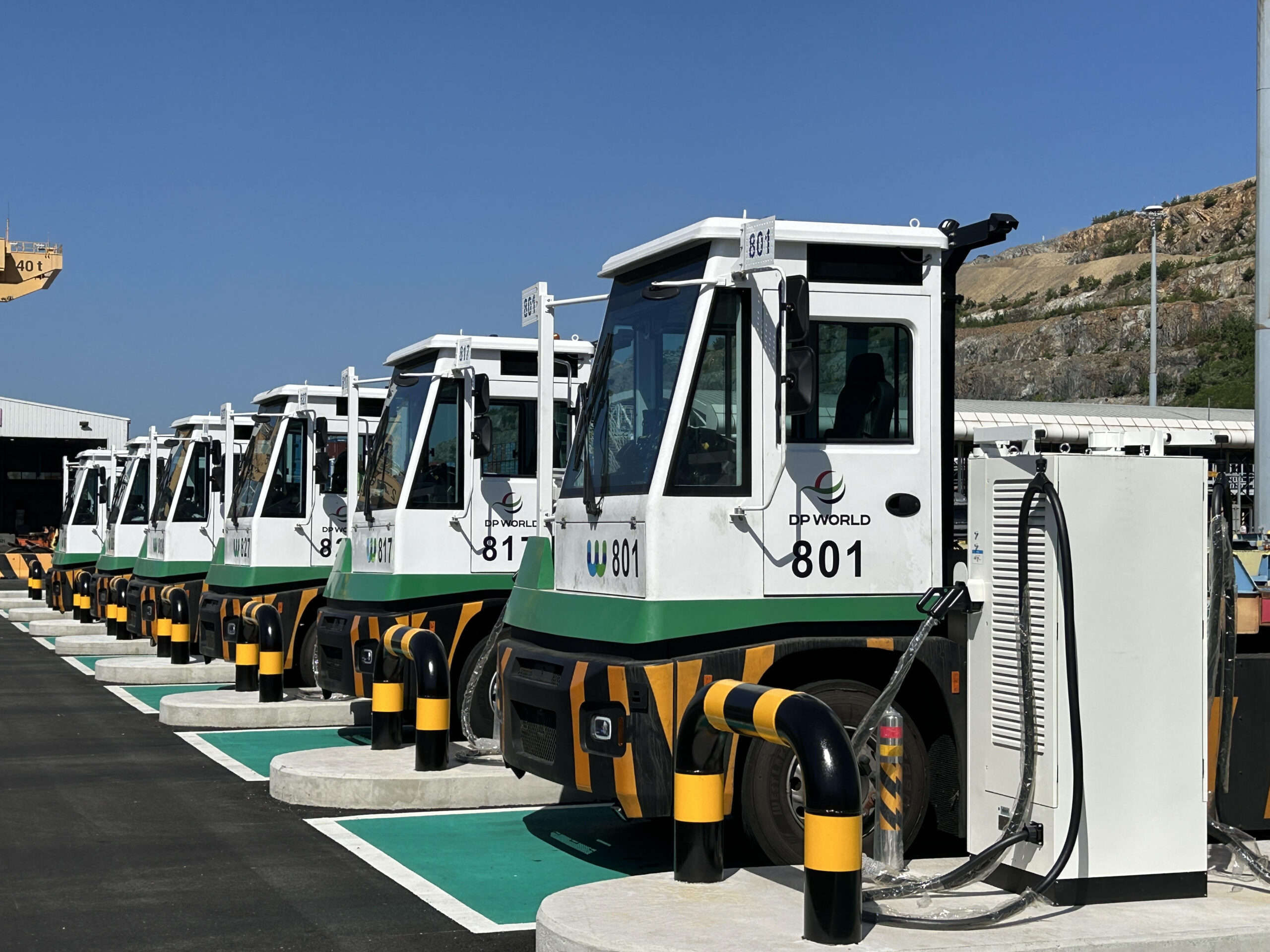
DP World has deployed 55 electric yard tractors at its Busan terminal, replacing liquefied natural gas (LNG)-powered vehicles as the port operator seeks to reduce emissions and improve operational efficiency.
The electric vehicles account for about 36% of the terminal’s fleet of 154 yard tractors, which move containers between different areas of the facility. Each electric tractor is expected to reduce carbon dioxide emissions by about 70% compared with the LNG-powered vehicle it replaces, DP World said.
The transition is also expected to reduce the use and disposal of engine fluids, lowering the risk of leaks and limiting the environmental impact of terminal operations.
DP World Busan participates in South Korea’s Emissions Trading Scheme, under which regulated companies must manage their greenhouse gas emissions. The deployment supports the terminal’s efforts to reduce its operational emissions and aligns with the country’s broader push for lower-carbon logistics and port operations.
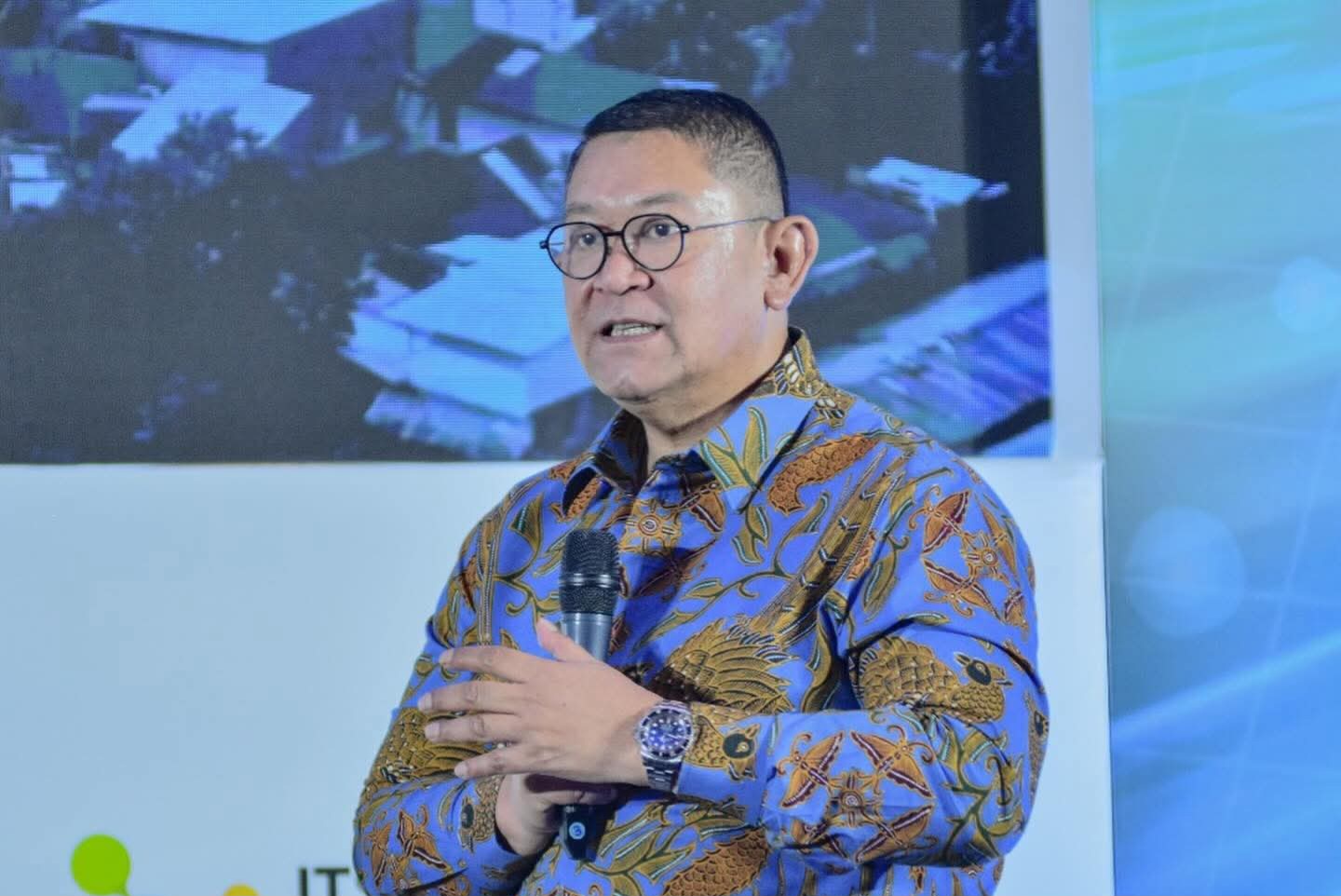
“Deploying these electric yard tractors marks an important milestone in DP World’s efforts to reduce emissions from terminal operations,” said Anders Dømmestrup, chief operating officer for ports and terminals in Asia Pacific at DP World.
The investment also aims to improve the performance of equipment used in the terminal’s frequent stop-and-go operations, where yard tractors transport containers between handling areas.
Electric tractors offer quieter operation, smoother acceleration and more consistent performance, the company said. With fewer moving parts than LNG-powered vehicles, they are also expected to require less maintenance, potentially improving equipment availability and reducing operating costs.
The deployment forms part of DP World’s efforts to incorporate lower-emission equipment into its port operations while maintaining the safety, reliability and efficiency of services for customers, Dømmestrup said.