


The successful berthing of the MV Blanco Ace highlights Patimban’s growing capacity to handle large vessels and support Indonesia’s automotive exports and supply chains
The successful berthing trial of the MV Blanco Ace at Patimban Port marks a milestone in the development of the West Java facility as a gateway for Indonesia’s logistics and supply chains, the Indonesian Logistics and Forwarders’ Association (ALFI) said.
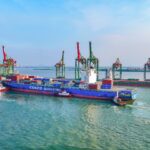
The nearly 200-meter-long Pure Car Carrier (PCC), with a gross tonnage of about 72,700 GT and capacity for up to 5,906 vehicles, unloaded about 1,101 trucks at Patimban after sailing from Hambantota, Sri Lanka.
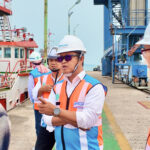
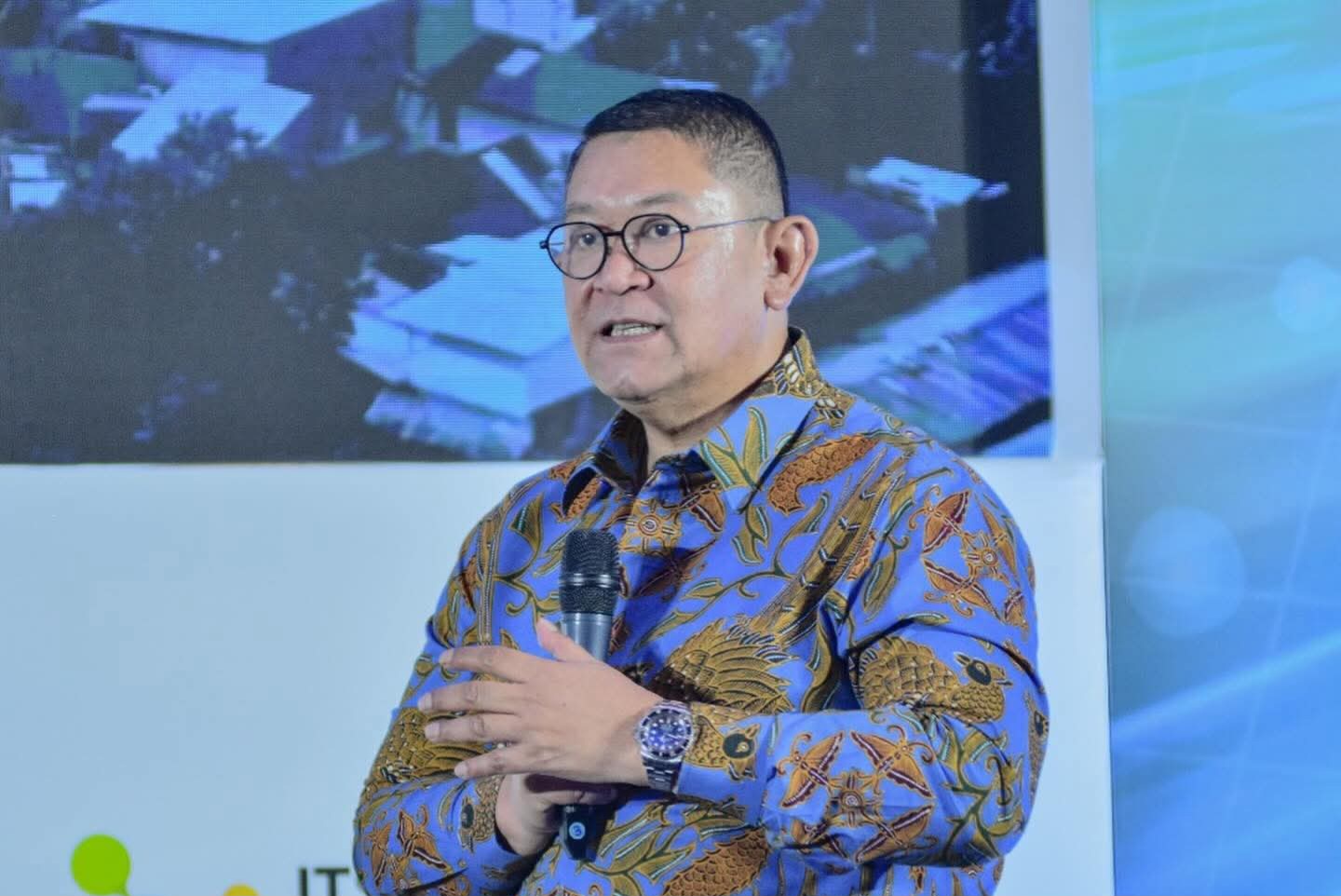
Yukki Nugrahawan Hanafi, chairman of ALFI’s advisory board and a commissioner at PT Pelabuhan Patimban Internasional, said the vessel’s successful berthing demonstrated improvements in the port’s infrastructure and operational readiness.
“This is not merely about the largest ship to have docked here; it also represents a crucial milestone regarding international shipping recognition of Patimban Port,” Yukki said.
“Patimban Port is increasingly demonstrating its capacity to safely, efficiently and competitively handle large vessels and rising cargo volumes.”
Yukki said Patimban’s development should be considered as part of Indonesia’s broader logistics strategy. As an archipelagic country and one of Southeast Asia’s major manufacturing hubs, Indonesia needs ports that are integrated with industrial areas, transport networks and domestic and international logistics systems, he said.
Patimban is strategically located near West Java’s automotive and manufacturing centers. Expanding its car terminal would support vehicle exports and imports while helping Indonesia strengthen its position in the global automotive supply chain, Yukki said.
“The industry requires more than just a high-capacity port; it needs an ecosystem that ensures schedule reliability, cost efficiency, connectivity and digitalization, alongside seamless access between industrial zones and the port,” he said.
The development of the car terminal is taking place alongside the introduction of international container services at Patimban, reflecting the port’s gradual expansion from an automotive-focused facility into a broader logistics and supply-chain gateway, Yukki said.
More vessels and international services could generate economies of scale, improve direct connections to global markets and give exporters, importers, shipping lines and logistics companies more options, he added.
“We must develop Patimban not merely to meet current needs, but to address Indonesia’s requirements for the next 10 to 20 years,” Yukki said.
He said the port should play a role in improving industrial competitiveness, strengthening supply-chain resilience and attracting investment.
Yukki also said Patimban’s development should not be viewed as competition with other Indonesian ports, which have different functions and strengths within the national logistics system.
“The ultimate goal is not simply to increase the number of arriving vessels,” he said. “Success is measured by whether Patimban’s presence can lower logistics costs, improve supply-chain reliability, boost exports and, ultimately, enhance Indonesia’s competitiveness.”