

The awards recognize the terminal operator’s digital transformation and sustainability efforts as container throughput rose 12.38% through August, strengthening its international profile and Indonesia’s logistics competitiveness
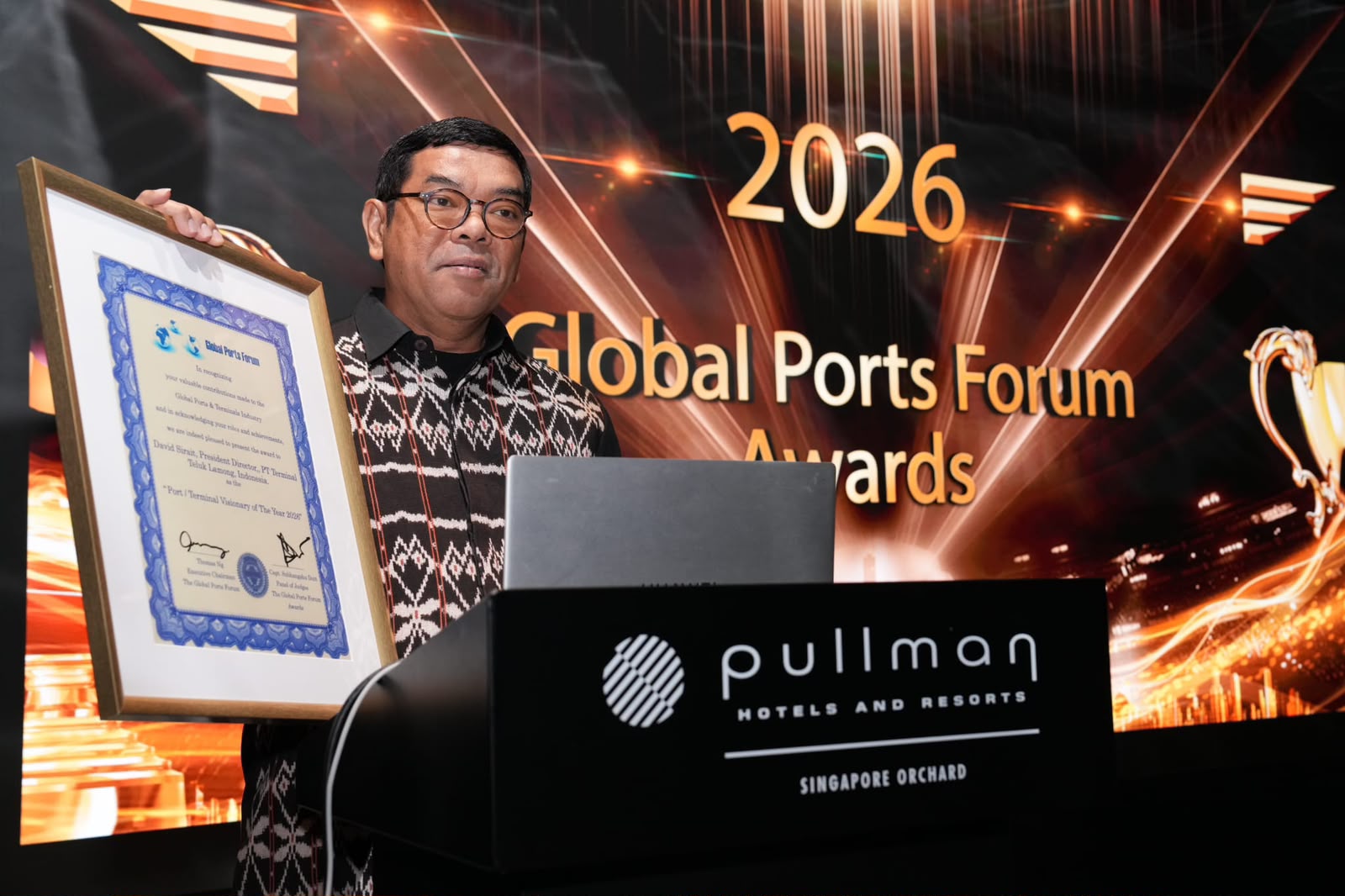
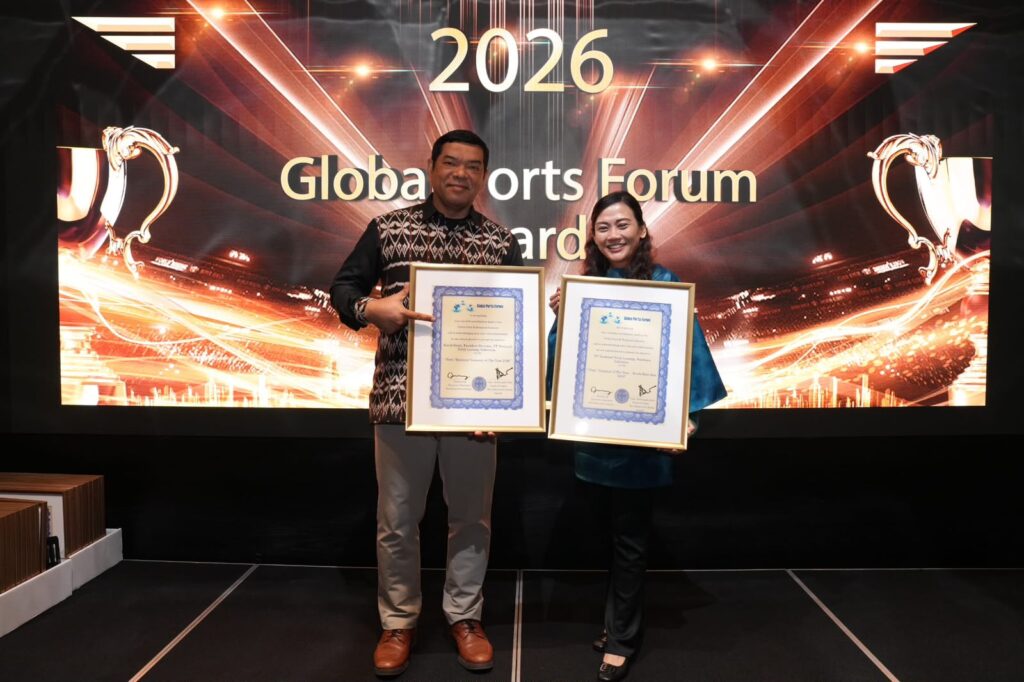
PT Terminal Teluk Lamong (TTL), a subsidiary of PT Pelindo Terminal Petikemas, has won two awards at the Global Ports Forum (GPF) Awards 2026 in Singapore, recognizing its efforts to improve operational efficiency, digitalize services and advance environmental sustainability.
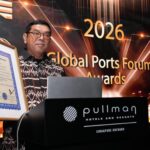
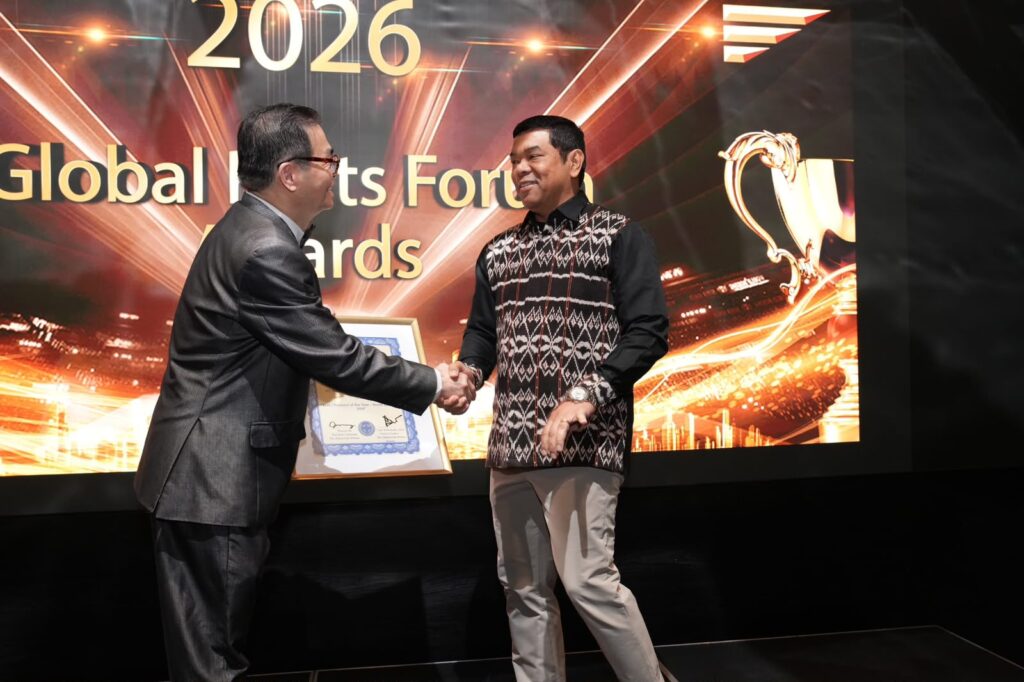
TTL received the “Port/Terminal of the Year – South East Asia 2026” award, while its president director, David P. Sirait, was named “Port/Terminal Visionary of the Year 2026.” The awards were presented by GPF Executive Chairman Thomas Ng at a ceremony at the Pullman Singapore Orchard on Oct. 14.
The recognition highlights TTL’s efforts to improve terminal productivity, strengthen competitiveness and develop more efficient, environmentally sustainable and customer-oriented services.
“These awards serve as both an appreciation and a tremendous motivation for us to continue enhancing our global competitiveness,” David said, crediting the achievement to employees, customers and stakeholders.
Operational transformation drives growth
Over the five years since the Pelindo merger, TTL has pursued operational and business transformation through terminal integration, productivity improvements, digitalization and customer-focused services.
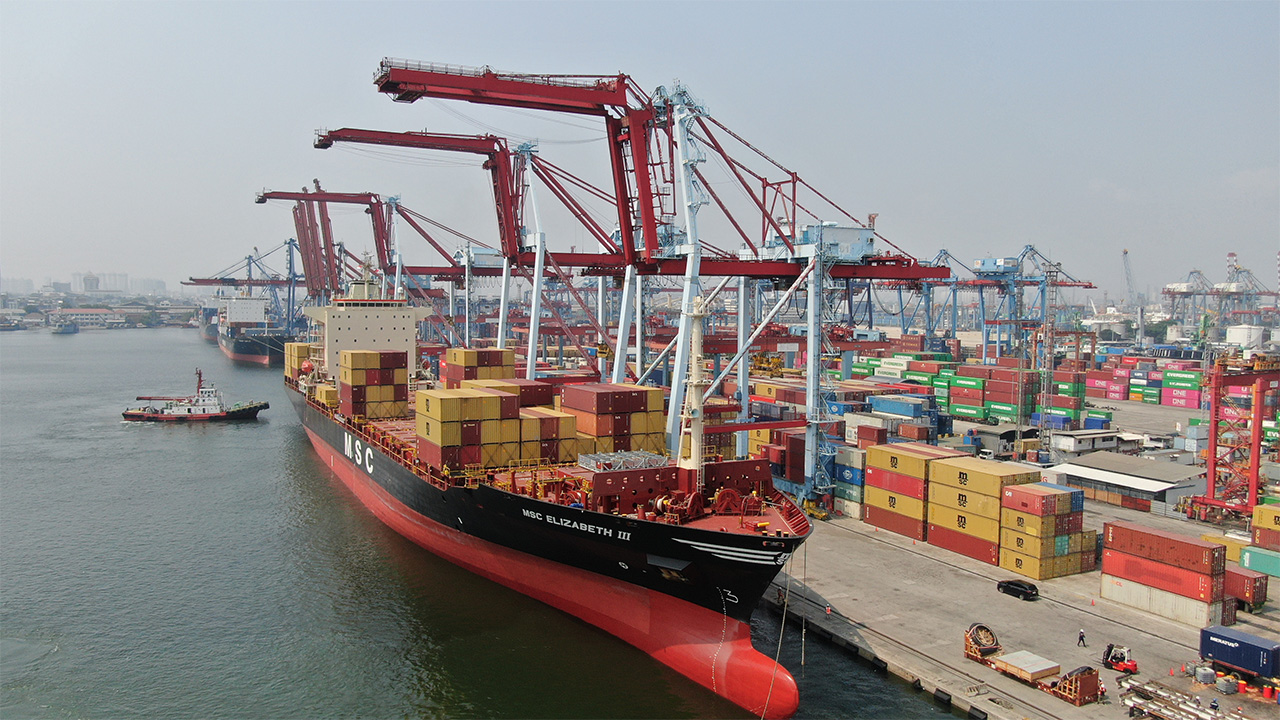
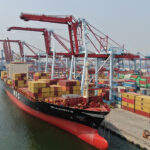
The company manages three container terminals as a unified operational entity: TPK Teluk Lamong, TPK Nilam and TPK Berlian. The integration aims to expand service capacity, improve logistics connectivity and optimize port assets in the Surabaya region.
TTL Group handled 2,027,914 twenty-foot equivalent units (TEUs) of containers through August 2026, up 12.38% from the same period a year earlier, according to company data.
International container throughput reached 389,682 TEUs, a 78.69% year-on-year increase.
The company attributed the growth to service improvements, the introduction of new shipping services and operational innovations designed to improve efficiency and reliability.
Key initiatives include a Terminal Booking System (TBS), the EAZI vessel service system, integrated operational planning and control, and measures to accelerate vessel and container handling.
These systems are intended to reduce waiting times, shorten service processes and increase terminal productivity.
Automation and green port initiatives
TTL is also expanding its use of technology and environmental initiatives. TPK Teluk Lamong, which the company describes as a pioneer of semi-automated container terminals in Indonesia, uses automated stacking cranes, an automated gate system and optical character recognition technology to improve operational accuracy and efficiency.
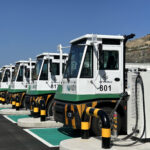
Its green port program includes equipment electrification, the use of cleaner energy sources, shore power facilities and stronger environmental management.
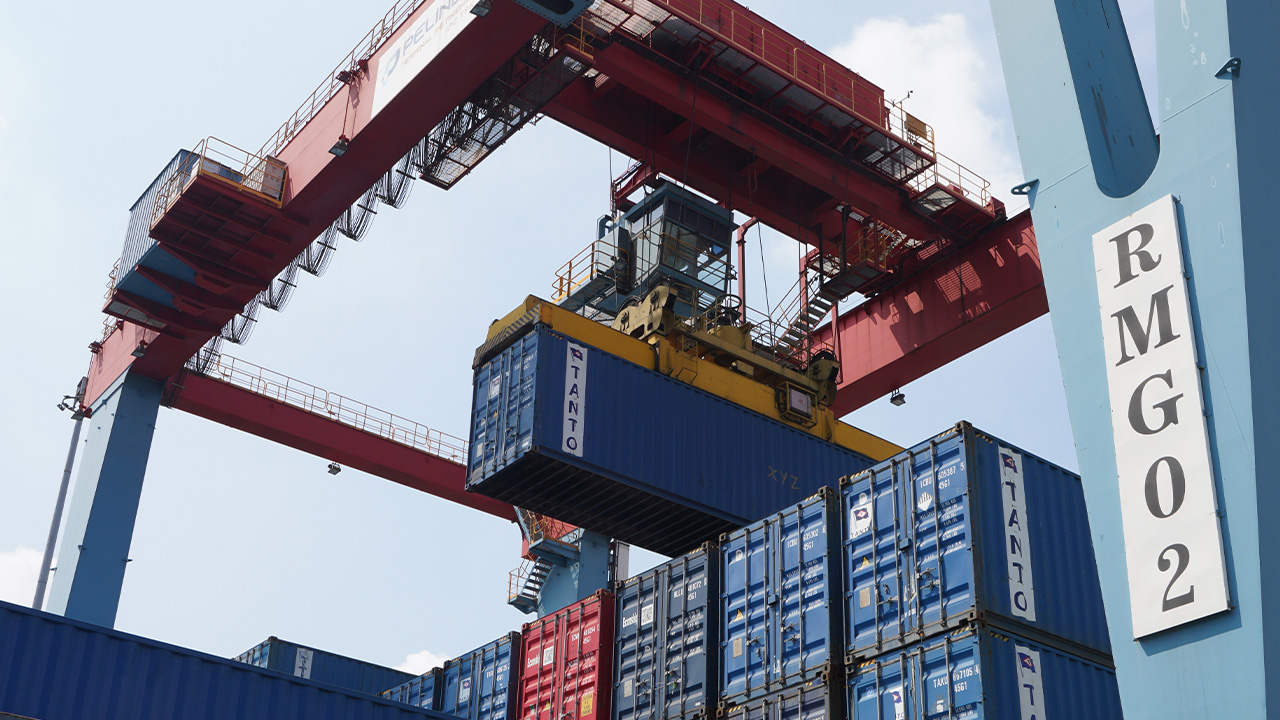
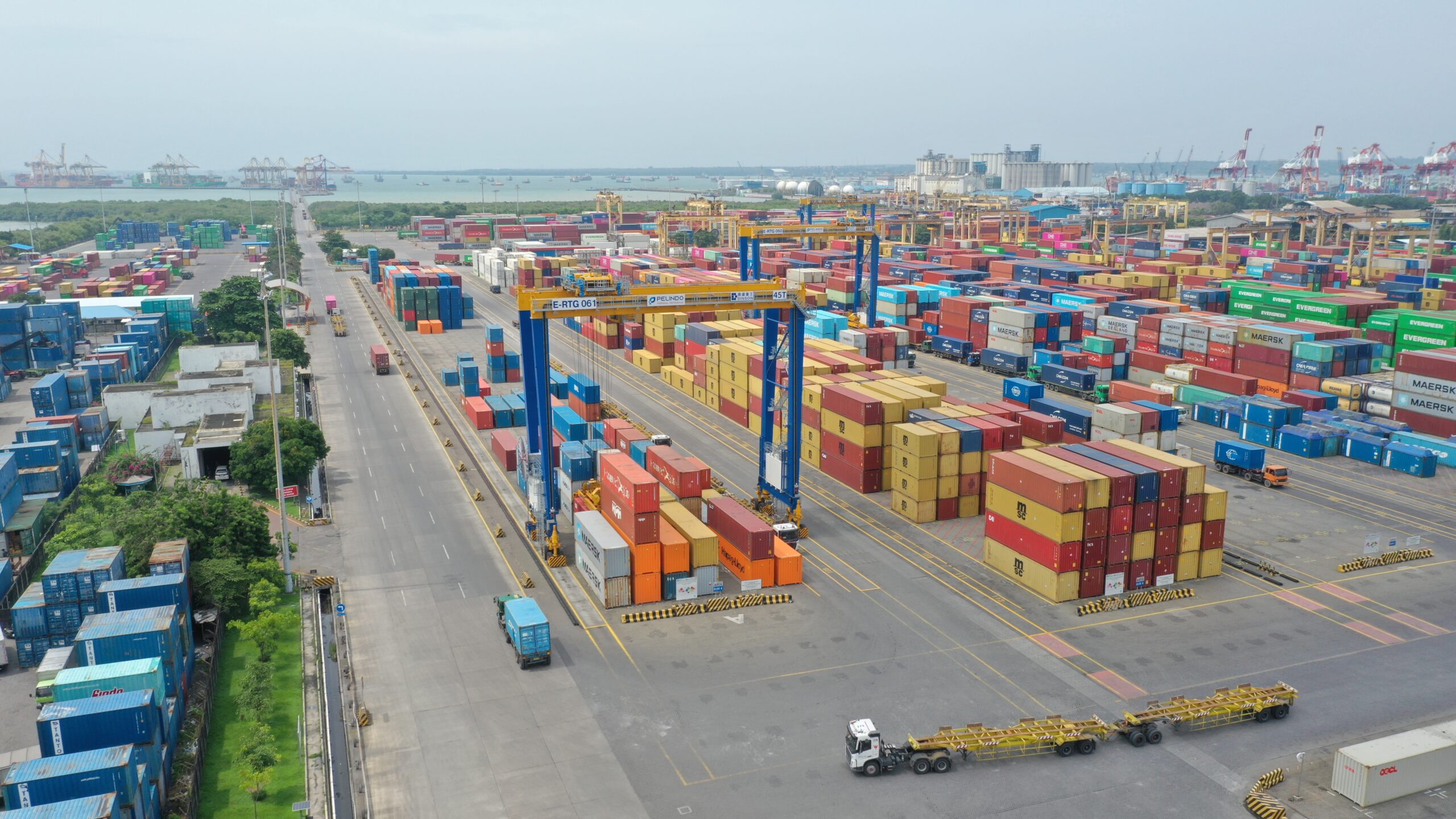
TTL is also modernizing equipment across its terminals, including the addition of electric rubber-tyred gantry cranes at TPK Nilam.
The company aims to align productivity improvements and business growth with energy efficiency, workplace safety and environmental sustainability.
Collaboration and community development
David said the company’s progress depended on collaboration with customers, regulators, business partners and other stakeholders.
TTL said terminal performance should be measured not only by container volumes and technological capabilities but also by service reliability, customer value and long-term partnerships.
The company also supports community empowerment, skills development, local business growth and environmental stewardship as part of its efforts to promote inclusive and sustainable development.
Awards reinforce commitment to transformation
The Global Ports Forum Awards recognize companies, terminal operators and industry professionals for contributions to service development, innovation, leadership and sustainability in the maritime sector.
TTL said the awards would reinforce its transformation within the Pelindo Group, with priorities including operational excellence, technology-driven services, customer collaboration and the integration of sustainability into business processes.
David said international recognition was not the ultimate goal but a reminder to keep improving services and contributing to Indonesia’s logistics industry.
“Excellence is not a destination; it is a journey,” he said.