




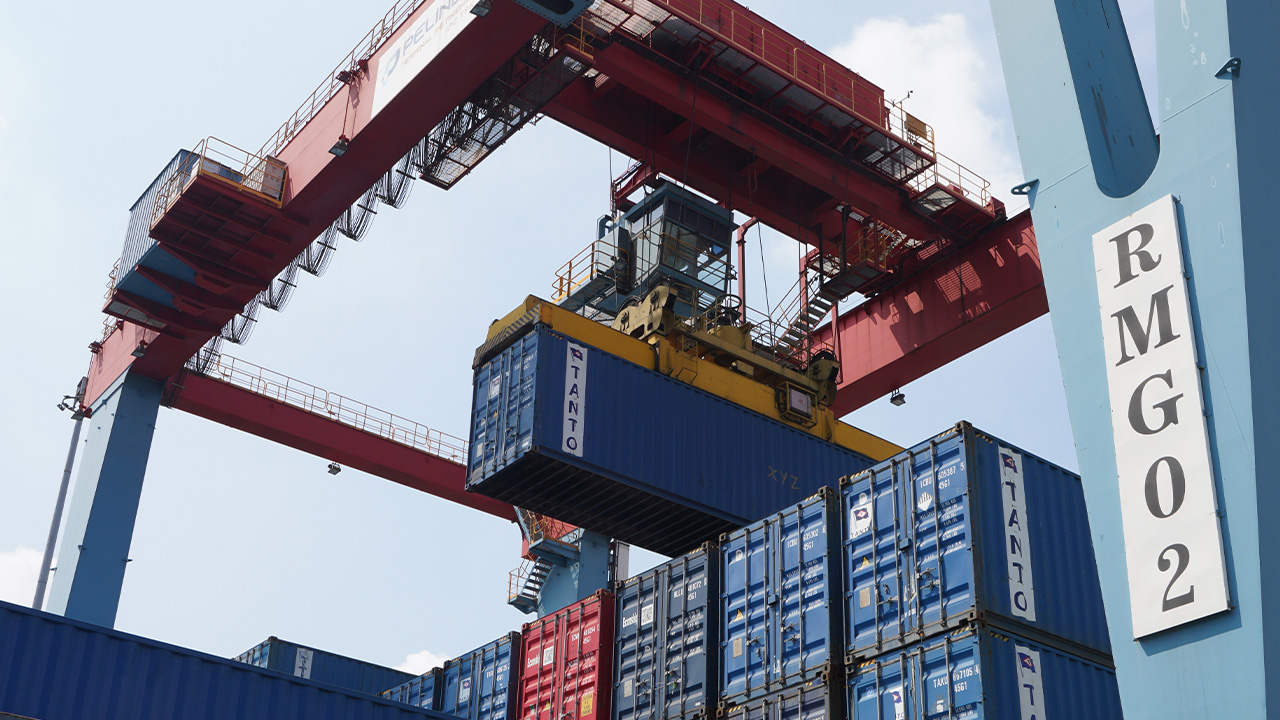
The terminal operator handled 2.84 million TEUs in the first nine months of 2026, with September volumes rising 7% year on year as key terminals reported growth
IPC Terminal Petikemas (IPC TPK) handled 2,836,445 twenty-foot equivalent units (TEUs) of containers from January to September 2026, an increase of 8.2% from 2,621,101 TEUs in the same period a year earlier, the company said on Friday.
The growth reflects an upward trend in cargo handling across terminals managed by IPC TPK, as the company seeks to improve operational efficiency and support Indonesia’s logistics and trade activities.
“This positive growth at the end of the third quarter serves as clear evidence of IPC TPK’s commitment to providing optimal and efficient cargo handling services,” Daniel Setiawan, senior manager of the company’s corporate secretariat, said in a statement.
Monthly figures also showed continued growth. Container throughput reached 325,884 TEUs in September, up 7% from 304,358 TEUs in the same month in 2025.
Key terminals report higher volumes
The September increase was supported by growth at several major terminals, with Teluk Bayur recording the strongest performance, rising 19.2% year on year.
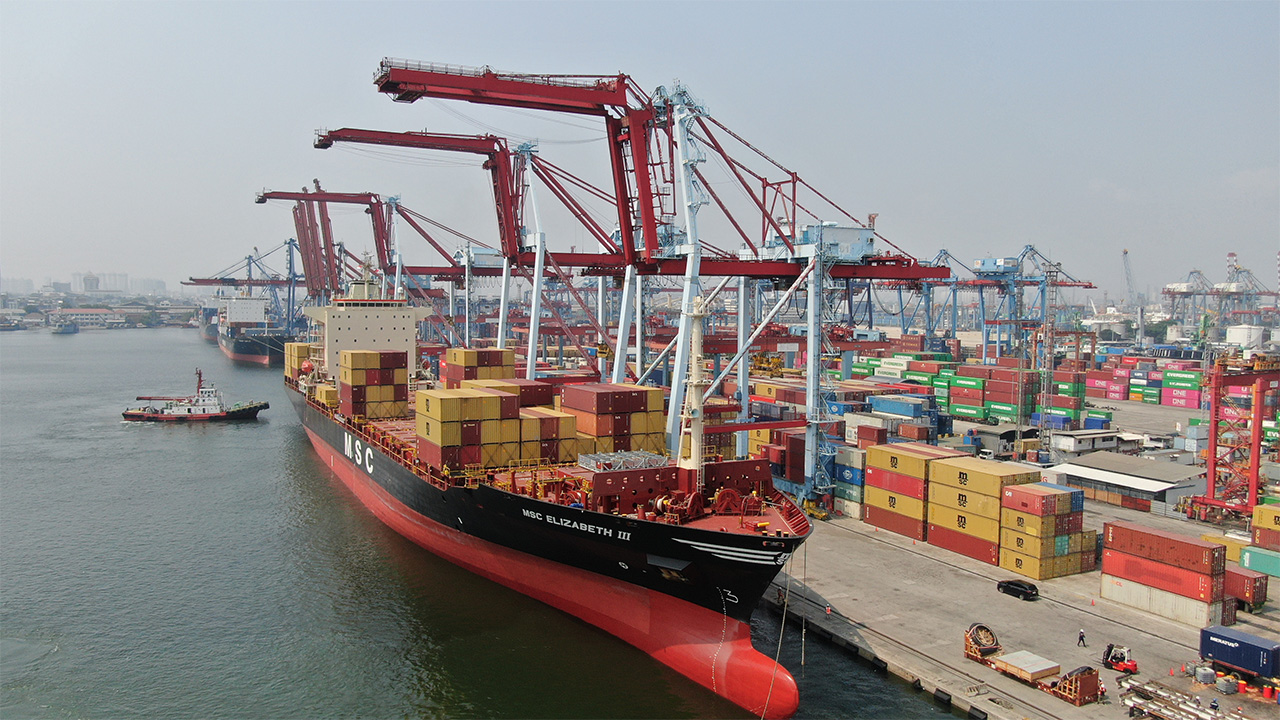
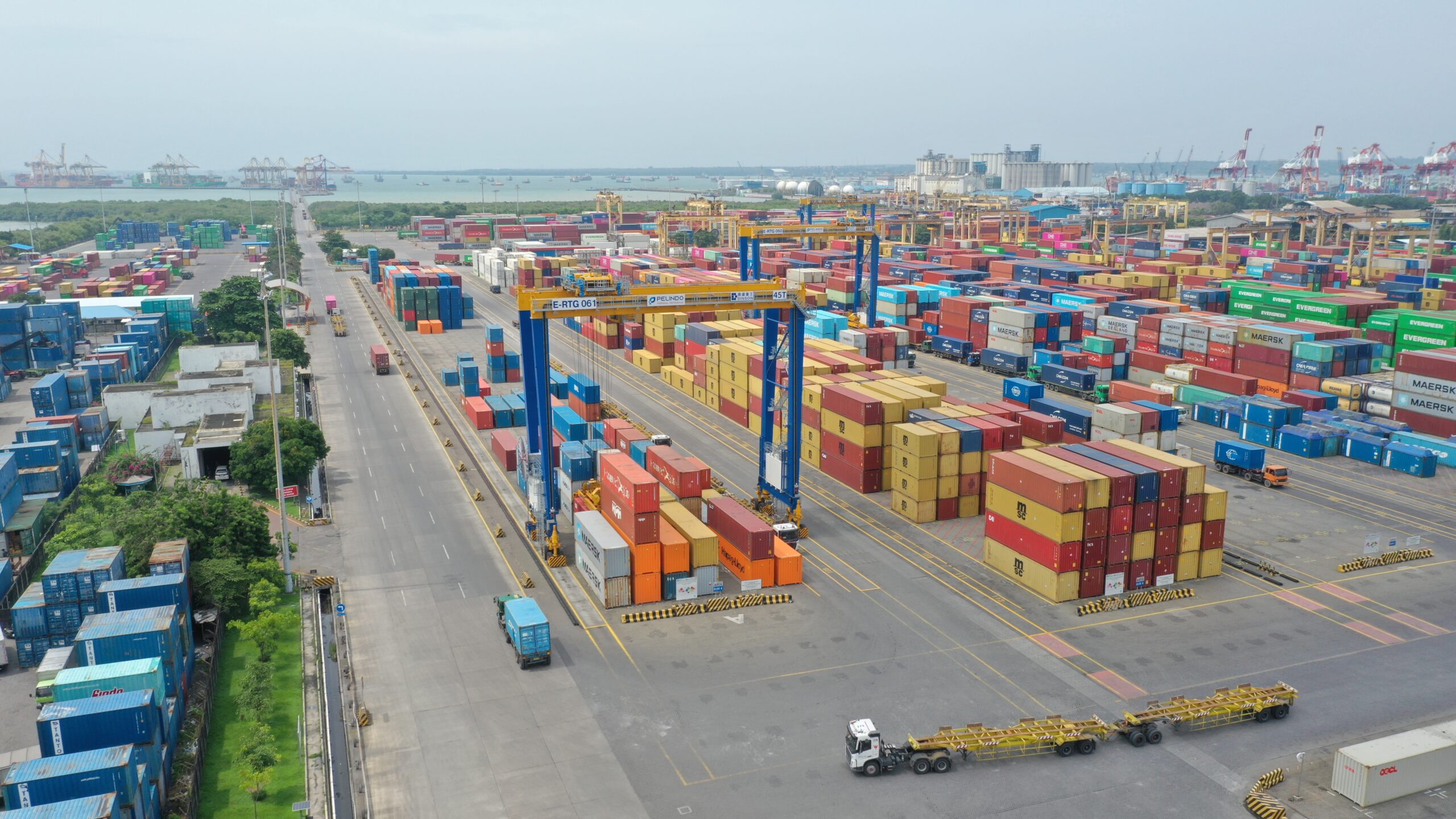
Tanjung Priok, a major logistics gateway, recorded 9% growth, while container throughput at Pontianak increased 5.1% from September 2025.
The results highlight stronger cargo flows across the company’s terminal network, although the company did not provide further details on the factors behind the increases at individual terminals.
IPC TPK said it aims to translate higher throughput into improvements in supply chain performance, including more efficient cargo handling and lower logistics costs.
“Our greatest hope is that this surge in productivity will not merely be a numerical achievement for IPC TPK, but will genuinely foster supply chain efficiency, reduce logistics costs, and contribute directly to accelerating national economic growth,” Daniel said.
The company said it would continue focusing on efficient terminal operations to support the movement of goods and strengthen Indonesia’s logistics competitiveness.