
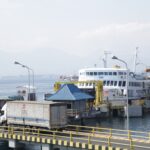

ASDP Indonesia Ferry has tightened access controls at Merak Port, one of Indonesia’s busiest ferry hubs, under a government zoning regulation aimed at improving safety, security and operational order
PT ASDP Indonesia Ferry (Persero) has implemented port sterilization measures at Merak Port, restricting access for people and vehicles as part of efforts to strengthen safety, security and order.
The measures are being implemented in line with Indonesia’s Ministry of Transportation Regulation No. PM 91 of 2021 on zoning in port areas used for ferry transport services.
Under the regulation, people operating or conducting activities inside the port must have a legitimate purpose and be properly identified and registered, ASDP said.
The company said the measures are intended to improve monitoring of operational areas, reduce potential security and safety risks and support smooth ferry services.
“Merak Port experiences very high levels of daily activity and passenger movement,” ASDP President Director Heru Widodo said. “Access to the port area must therefore be managed in an orderly manner so that everyone inside can be identified and their activities monitored.”
ASDP said it had prepared for the measures in stages, including public outreach, management of entry and exit points, tighter access checks and routine security patrols.
The company said implementation was being coordinated with regulators and other stakeholders.
Vendor activities
The sterilization measures also cover commercial activities inside the port, with ASDP requiring vendors to be identified and registered to ensure trading activities do not disrupt safety, security, operations or passenger comfort.
ASDP said it has held regular discussions with vendors and their representative organizations on access procedures, identification requirements, codes of conduct and other rules governing activities at Merak Port.
The company also clarified reports concerning a payment of 650,000 rupiah ($39) by vendors, saying the payment was not a levy imposed by ASDP and was not included in its tariffs or revenue.
According to ASDP, the payment was part of the internal management of the foundation overseeing the vendors and covered items and requirements including facilities, vendor identification vests and ID cards, employment social security through BPJS Ketenagakerjaan, uniforms and other equipment.
ASDP said vendor identification was necessary to ensure people conducting commercial activities inside the port could be recognized and registered, facilitating oversight and maintaining order.
The company said the sterilization program ultimately seeks to ensure activities within the port comply with regulations governing access, safety, security and order.
“Sterilization is not merely about restricting access; it is about how we work together to build better port governance,” Heru said.
He added that the effort required cooperation among regulators, security forces, ferry operators, vendor organizations, communities, passengers and others operating within the port.