



Portify consolidates key logistics processes on one platform, supporting ASDEKI’s push for faster, more transparent and connected logistics operations across Indonesia
The Indonesian Container Depots’ Association (ASDEKI) is promoting greater digital integration across the country’s logistics sector through Portify, a platform designed to bring multiple logistics services into a single workflow.
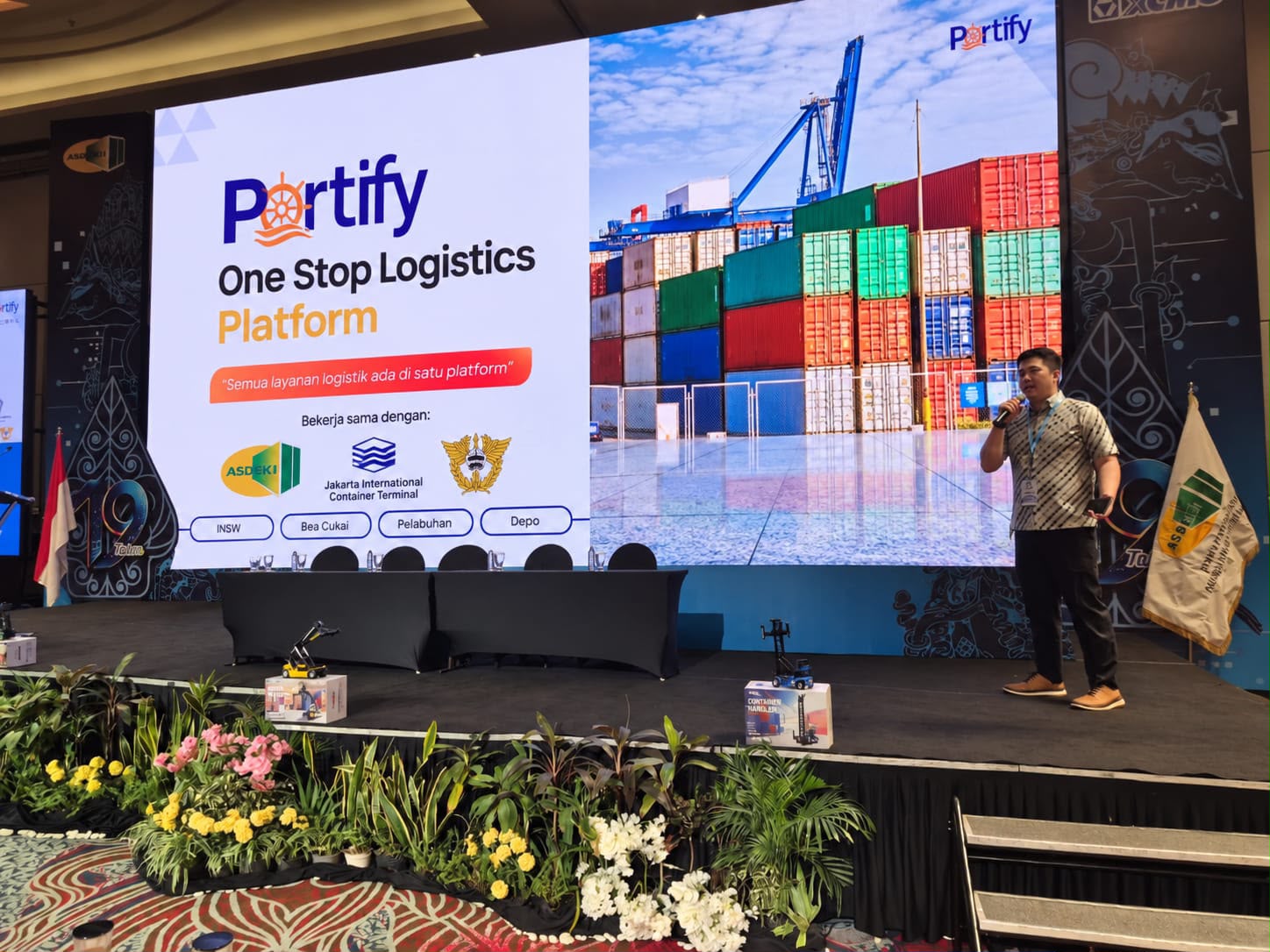
The platform, developed under a “One-Stop Logistics Platform” concept, is intended to connect sea freight forwarders, container depots, ports and other logistics stakeholders.
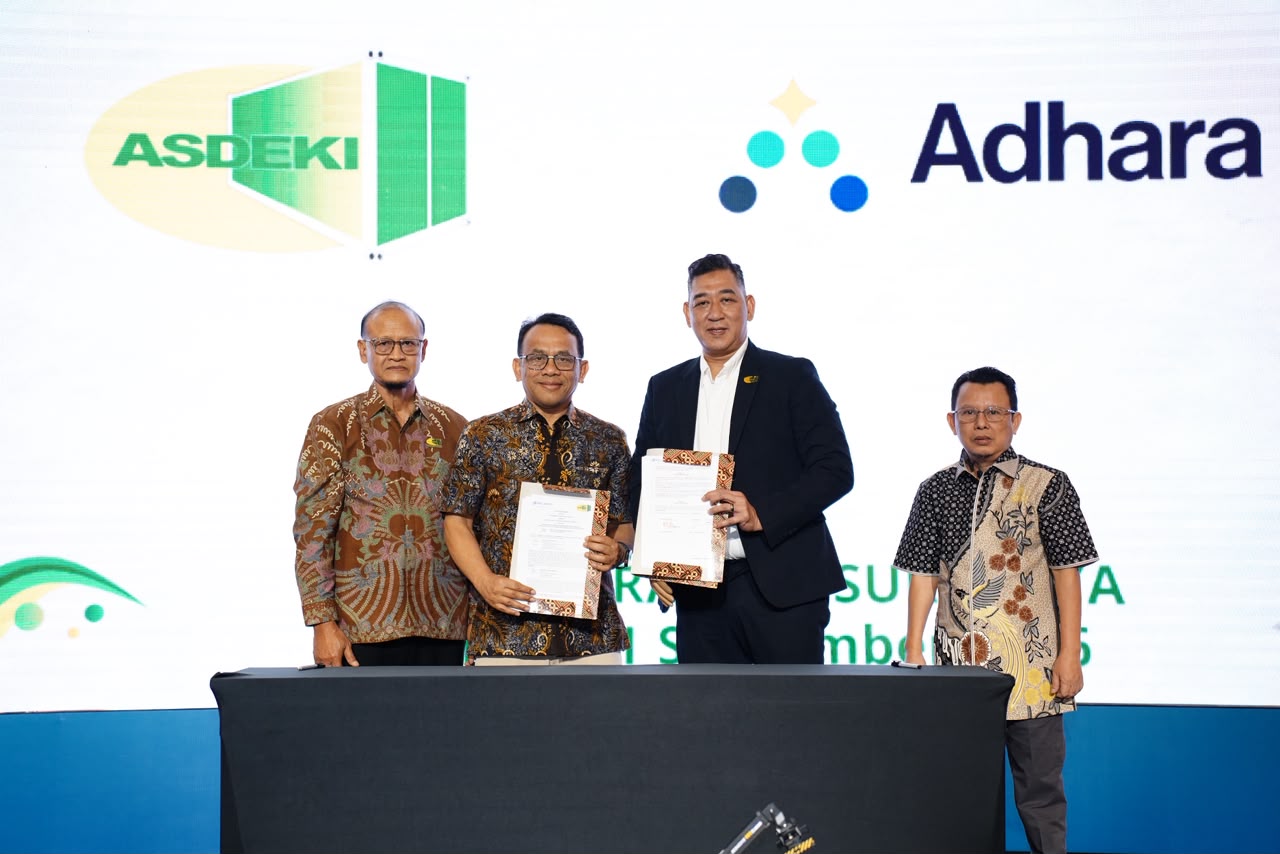
Rizki, president director of PT Talenta Nusa Cipta (TNC), presented Portify’s development during events marking ASDEKI’s 19th anniversary.
“Portify is here to simplify logistics processes that were previously handled across various channels. Everything from placing orders, document verification, and payment to the issuance of Gate Passes and Depot Passes can now be done on a single platform,” Rizki said.
He said digital transformation should go beyond transferring manual procedures to an application, with the broader goal of connecting stakeholders and making logistics processes faster, more transparent and more efficient.
The logistics industry involves multiple parties, including shipping lines, freight forwarders, depots, transport companies and container terminals, each operating different systems and procedures.
Portify is being developed to connect these processes, with integration of Gate Pass and Depot Pass services among its key functions. The platform is also being developed to strengthen connectivity between ports and depots, where administrative communication has often relied on instant messaging applications, email, in-person visits and other manual channels.
By bringing these activities into a single digital workflow, the platform is intended to reduce repetitive administrative tasks and improve coordination among logistics players.
Portify consolidates processes including bookings, document verification, payments and the issuance of loading and unloading slips. The streamlined process is expected to reduce time spent on manual communications, document checks and visits to depot facilities.
Digitalization could also generate more structured logistics data, providing greater visibility into operations and supporting decision-making across the sector.
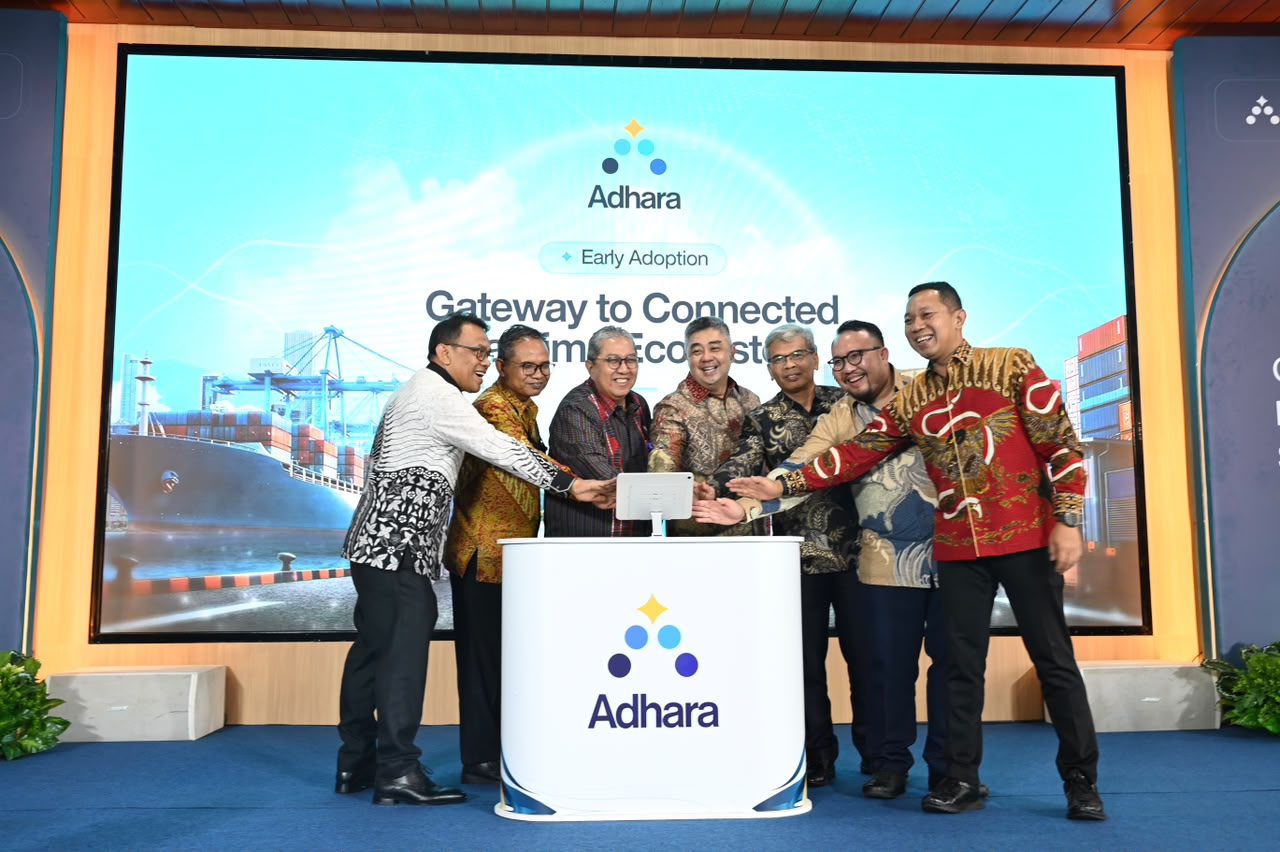
The platform’s development is aimed at connecting depot operations with Indonesia’s broader digital logistics ecosystem. Portify has been designed to integrate with the Indonesia National Single Window (INSW) and ADHARA, according to Rizki.
He said the benefits of digitalization would increase as more logistics stakeholders join the platform.
“Digital transformation depends not only on technological readiness, but also on collaboration and the willingness of stakeholders to build the ecosystem together,” he said.
For ASDEKI, the push toward depot digitalization comes as the logistics industry faces growing demands for faster services, greater efficiency, transparency and connectivity.
ASDEKI’s 19th anniversary provides a milestone for the association and the container depot industry as they seek to adapt to those changing requirements.
Portify is expected to continue developing from a platform focused on individual services into a broader digital logistics ecosystem connecting more stakeholders.
The initiative reflects a wider shift in Indonesia’s logistics industry, where digital infrastructure and collaboration are increasingly being viewed alongside physical infrastructure as important components of a more integrated supply chain.