



Indonesia’s state-owned port operator Pelindo is integrating infrastructure, industrial zones, transport networks and digital systems to cut logistics costs, improve efficiency and support regional economic expansion
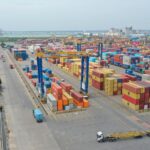
Pelindo is seeking to turn ports into engines of regional economic growth by linking infrastructure with industrial zones, transport networks and digital platforms to improve logistics efficiency and attract cargo traffic.
The strategy reflects a broader push to transform state-owned enterprises under Danantara, Indonesia’s sovereign investment agency, through consolidation, stronger governance and more disciplined investment.
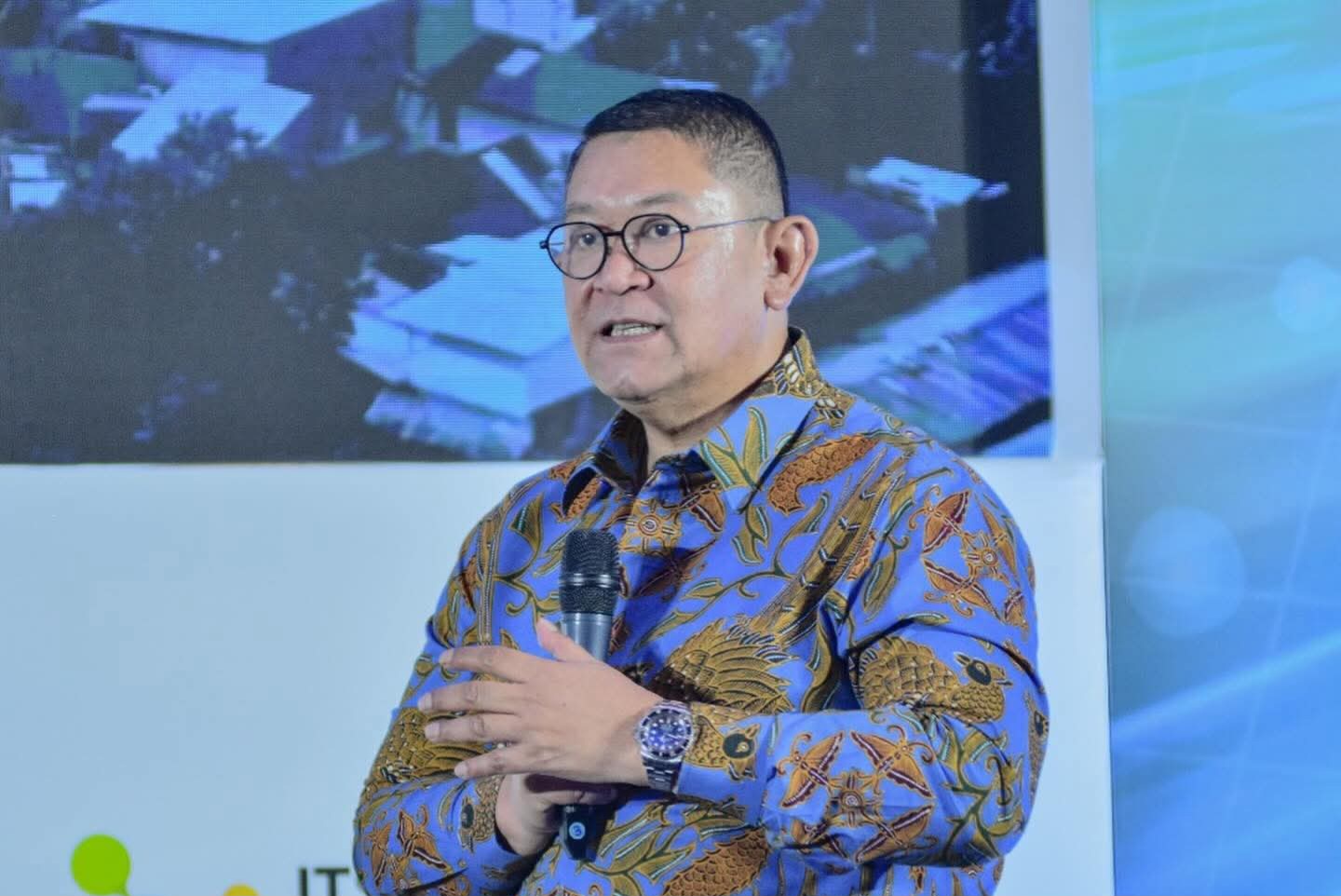
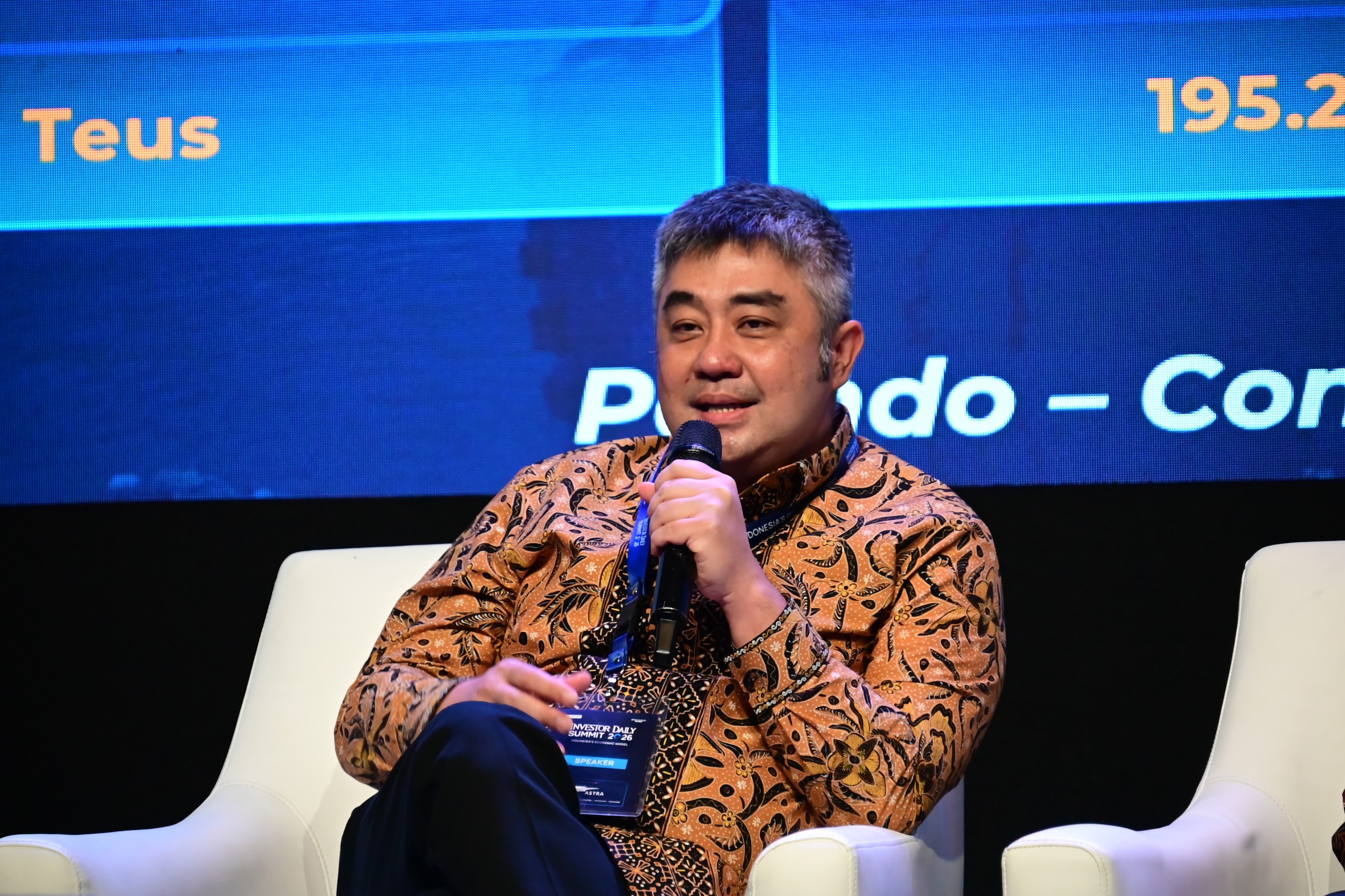
Speaking at the Investor Daily Summit 2026 in Jakarta on Thursday, Danantara Chief Operating Officer and Head of the State-Owned Enterprise Regulatory Body Dony Oskaria said the transformation was intended to strengthen the foundations of the economy and expand employment opportunities.
“Danantara is expected to serve as an engine of growth, accelerating economic expansion, creating as many jobs as possible, and driving fundamental transformation in how our SOEs are managed,” Dony said.
The reform programme includes evaluating more than 1,000 companies across the state-owned enterprise ecosystem, examining their industries, business models, cost structures, market conditions, financial capacity and organisational capabilities.
The assessments will help determine which companies should be strengthened, consolidated, divested or liquidated. Danantara is also seeking to ensure that investments are supported by sound economic reasoning and aligned with corporate strategies.
For Pelindo, the challenge is to translate that broader transformation into infrastructure that works as a connected system rather than a collection of separate assets.
President Director Achmad Muchtasyar said ports, roads, industrial estates and supporting facilities needed to be planned together to maximise their economic benefits.
“Integration is crucial to reducing logistics costs. We need to integrate various logistics-related sectors so that the infrastructure being built can support one another and deliver optimal benefits,” Achmad said.
Ports cannot generate sustainable cargo volumes through construction alone. Their performance also depends on reliable road access, connections to industrial centres and economic activity in the areas they serve.
Without those links, infrastructure investments risk being underused, limiting their contribution to supply chains and regional development.
The issue is becoming increasingly relevant at Kijing Port in Mempawah, West Kalimantan, where expanding downstream processing and industrial activity could strengthen demand for port services. Better connections between the port and surrounding economic zones are essential to translating that growth into more efficient cargo movements.
Pelindo has been positioning itself beyond its traditional role as a port operator, seeking to become an end-to-end service provider and a driver of the wider maritime logistics ecosystem.
That approach also requires digital integration. Cargo movements depend not only on the physical handling of goods but also on the exchange of documents and information among terminal operators, shipping lines, cargo owners, logistics companies and regulators.
Disconnected systems can create delays and inefficiencies even when physical infrastructure is adequate.
To address the problem, Pelindo has developed ADHARA, a digital platform designed to connect systems across the maritime logistics ecosystem. The platform is intended to improve data interoperability and support Indonesia’s National Logistics Ecosystem and One Data Indonesia initiatives.
“The flow of goods relies on efficient port services, while the flow of documents requires equally integrated systems. Through ADHARA, we aim to connect the various players and platforms within the logistics ecosystem to make processes more efficient,” Achmad said.
By linking previously separate systems, Pelindo aims to streamline administrative processes, improve information exchange and help reduce port dwelling times — the period cargo remains at a port before leaving for its next destination.
Achmad said logistics performance depended on the smooth movement of both goods and information, making digital connectivity as important as physical infrastructure.
Pelindo plans to continue developing integrated logistics connections through cooperation with industry stakeholders, collaboration among state-owned enterprises, infrastructure investment and digital technology.
The broader objective is to ensure that ports serve not simply as points where goods enter and leave the country, but as connected economic hubs that support industry, strengthen supply chains and generate growth in surrounding regions.
For Indonesia, the success of that approach will depend on how effectively infrastructure, industrial development and digital systems are coordinated to reduce logistics costs and make investment deliver lasting economic value.