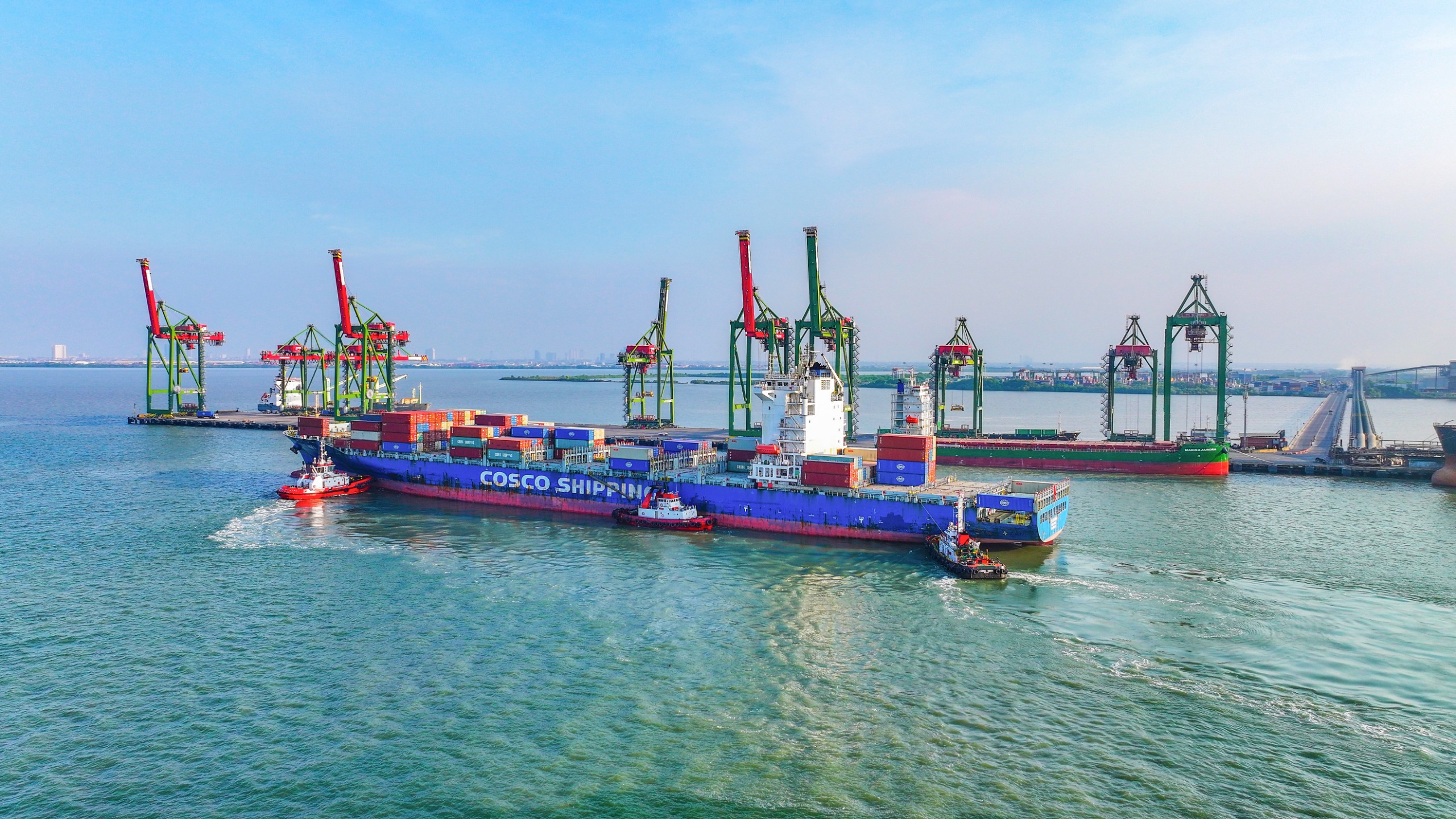



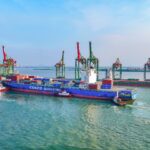


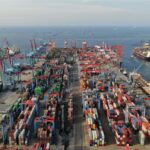


Congestion at some global leading ports/terminals still took place in the last months and there are only a few signs for improvement, Sea-Intelligence has said as quoted by ifw-net.com.
The latest figures from Sea-Intelligence’s global container line performance database show that just 34.3% of vessels arrived within one day of their scheduled arrival time in September. The average delay across the global fleet was more than a week. This means that September effectively saw the removal of 12% of all global vessel capacity from the market due to the delays, said Sea-Intelligence.
“Most trades show very large increases in delays, indicating that the congestion problems leading to delays are indeed prevalent globally and not isolated to just a few large key trades,” Sea-Intelligence chief executive Alan Murphy said. “It can also be seen that a few individual trades are not impacted, and essentially have the same magnitude of delays as they had before the pandemic.”


Nevertheless, almost all trades have experienced a sharp deterioration in recent months in terms of the magnitude of vessel delays. “This is a clear indication that the bottleneck problems are indeed widespread and global,” he said.
Schedule reliability was at the lowest point in the third quarter since records began, falling 4.8 percentage points from the previous quarter and down by 30.7 percentage points since the corresponding quarter of 2020.
“This drop was inevitable, as even higher congestion levels due to the third quarter peak cargo season, would have increased the stress on an already heavily stressed supply chain,” Mr. Murphy said.
While the problem is endemic to the sector as a whole, there were, however, wide variations in performance between the individual carriers.
Maersk and its Hamburg Süd subsidiary topped the league table, managing to get more than 45.6% and 38.5% of their calls to meet their scheduled arrival time. At the other end of the scale was Evergreen, where only 13.2% of calls were on time, a level of reliability that Mr. Murphy described as “insanely low”.
Nevertheless, all carriers reported falls in reliability, both on an annual and quarterly comparison.
With demand for container slots remaining high, carriers have deployed additional capacity for the fourth quarter. On some trade lanes, this will take capacity higher than it was during the third-quarter peak season.
Read ISG Cover Story November 2021: https://theshippinggazette.com/realization-of-pelindo-merger-missions-are-awaited/