
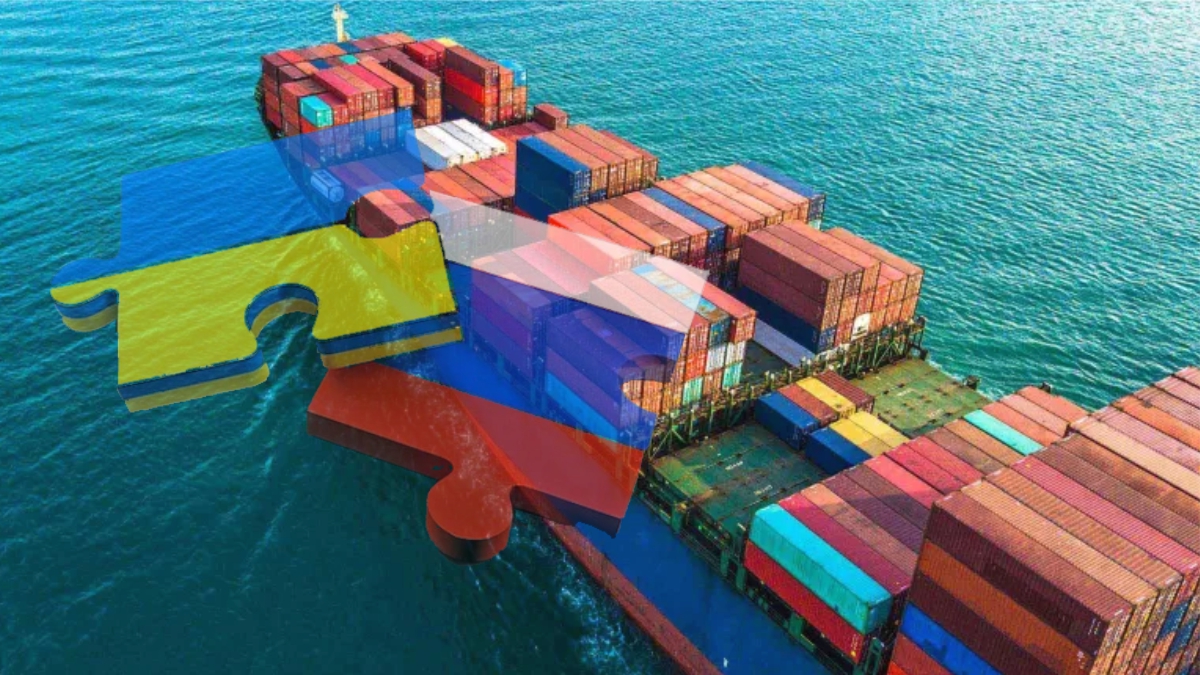
Some may be skeptical about President Joko Widodo’s visit to Kyiv and Moscow. Still, for those who are optimistic, this may not end the war, but indeed this is so important to help secure the release of the shipment of cereals and grain now trapped in Odessa to the world. This is to secure the global supply chain in general and the food supply chain in particular.
Why is it so important? At the start of 2020, a global pandemic hammered the world’s economies and caused the worst disruption to the global trading system since World War II. This year, war has returned to Europe, and a near-total embargo of one of the world’s busiest cross-border commerce will further reduce any remaining slack in the global trading system.
Nearly all economies are already experiencing a drop in trade due to Russia’s war with Ukraine. Adding fuel to the fire are the skyrocketing global prices of oil, natural gas, metals, and grains — which may further accelerate if the U.S. and Europe move to sanction Russia’s energy exports in the coming days.
The war in Ukraine will likely reinforce plans for businesses to “reduce their reliance on intricate global supply chains,” according to a report issued this week by Oxford Economics.
That shift will drive companies to prioritize supply resilience over just-in-time delivery — and for some, it could finally persuade them to re-shore their entire logistics strategy. It’ll take years and a lot of investment, and it might even make the world poorer.
Jokowi’s proposal to open the shipment of export cereals and grains from Ukraine and fertilizer from Russia to secure global food supply probably will not overcome the problem of the supply chain in general. Still, at least, if it runs as expected, it will be the starting point for the other commodities. It is a very monumental effort to secure the supply chain.
Read ISG Cover Story July 2022: https://theshippinggazette.com/priok-path-toward-ttbs-adoption/