
Indonesia’s importers association says the trade pact will ease business activities, expand market access, attract investment and strengthen technology cooperation between Indonesia and the European Union
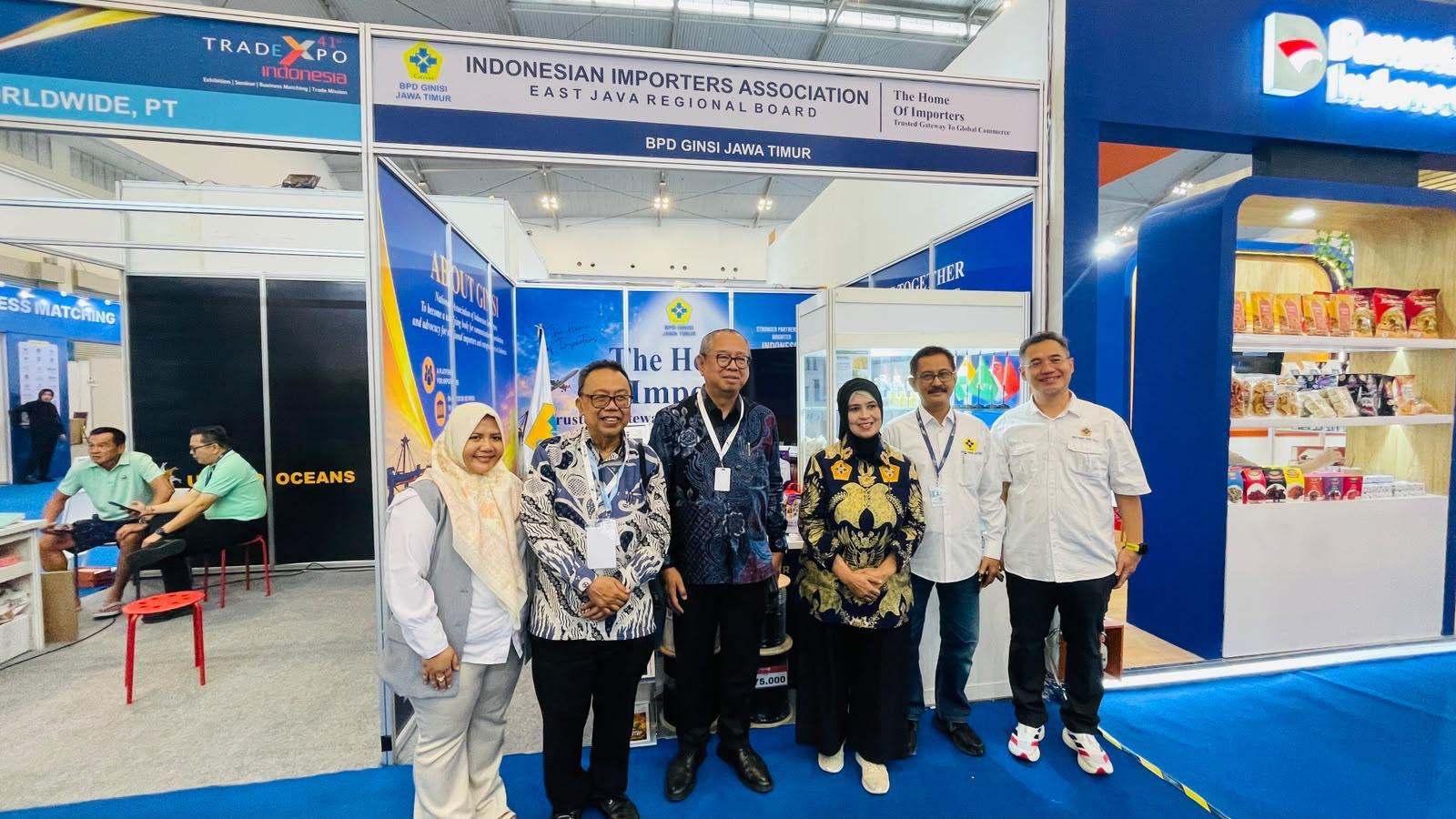
Indonesia’s national importers association has welcomed the signing of a comprehensive trade agreement between Indonesia and the European Union, saying the deal could facilitate trade, investment and business activities.
The Indonesia Importers’ Association (GINSI) said the Indonesia-European Union Comprehensive Economic Partnership Agreement (IEU-CEPA), alongside the Investment Protection Agreement (IPA), would create opportunities for businesses, including importers of raw materials and other goods.
“We appreciate the Indonesian government’s efforts, particularly those of the Ministry of Trade and its staff, and hope the ministry will continue to support the implementation of this agreement,” Erwin Taufan, deputy chairman of GINSI’s central executive board, said in a statement on Monday.
Indonesia and the European Union signed the agreements in Brussels on Nov. 21, marking a step toward closer economic cooperation between the two sides.
Taufan said the agreement would also provide Indonesian businesses with broader access to European markets through tariff reductions and create opportunities for cooperation in investment and technology.
He encouraged businesses to take advantage of the agreement to improve the competitiveness of Indonesian products in the European market.
The European Union is an important economic partner for Indonesia, serving as a major trading hub and a source of foreign investment and advanced technology, which could support the country’s economic transformation agenda.
The agreements were signed by Indonesia’s Coordinating Minister for Economic Affairs Airlangga Hartarto and European Commissioner for Trade Maroš Šefčovič.
The signing was preceded by a telephone or video call between Indonesian President Prabowo Subianto and European Commission President Ursula von der Leyen, during which the two leaders discussed strengthening bilateral relations and accelerating the implementation of the trade agreement.
Under the agreement, 90.4% of Indonesian tariff lines entering the European Union market will immediately receive zero-percent import duties once the pact takes effect, while another 8.37% will benefit from phased tariff reductions over three to 15 years or through tariff-rate quotas.
The preferential access is expected to support exports of Indonesian products, including footwear, textiles and processed commodities, by improving their price competitiveness in the European market.
The agreement is also expected to encourage European investment and the transfer of environmentally friendly technologies, potentially supporting domestic processing industries and employment creation.
Following the signing, both parties will undertake their respective ratification procedures and complete domestic legal requirements before the agreement is expected to enter into force in 2027.