





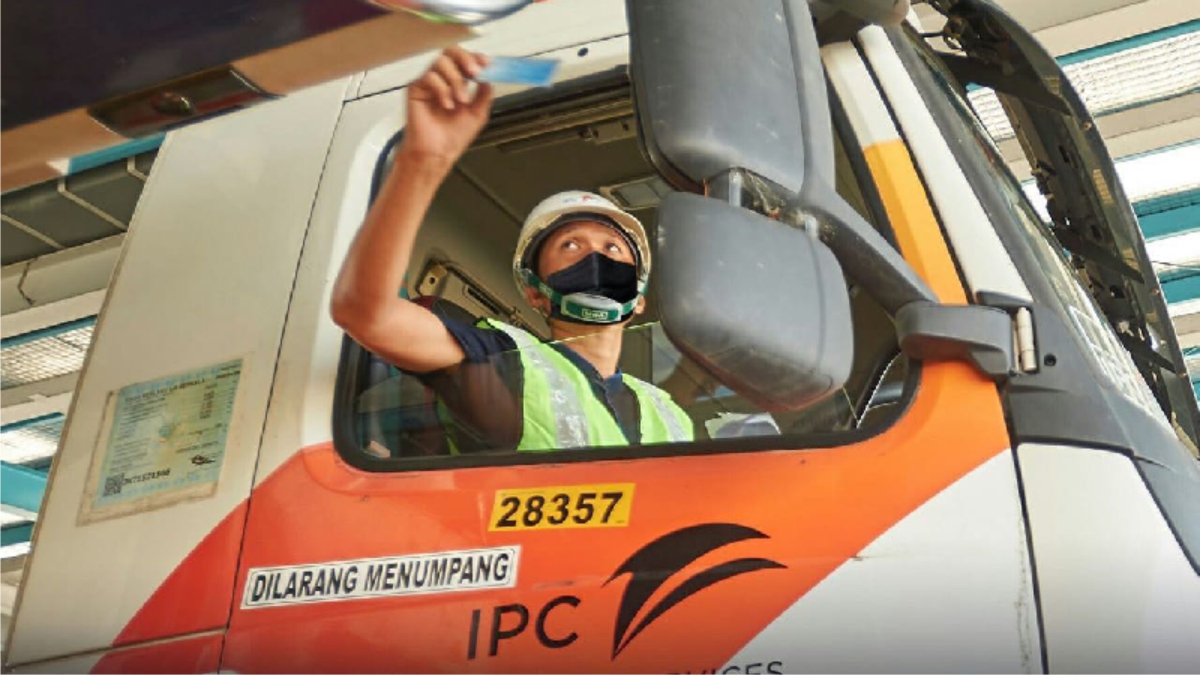
In our cover story issue highlighting the problem of land transportation congestion and traffic jam at Indonesia’s leading port, Tanjung Priok, one solution to overcome this issue is the plan of this port to adopt a single TID (Single Truck Identity Document) for all terminals at the port. This Single TID is expected to fasten the entrance process at the gates-in of the terminal.
Reported that some terminal at the port, including Jakarta International Container Terminal, has owned TID for all trucks loading and unloading cargoes at the terminal. But, the port authority (OP Priok) and port operator IPC Tanjung Priok have initiated the adoption of Single TID for all terminals at the port this month (April). Acting Head of OP Priok Inayatur Robbany and IPC Tanjung Priok explained that the Single-TID would be adopted soon this month (April), expecting to identify any trucks loading and unloading cargoes both at the terminal and non-terminals.
For the port authority and operator, the adoption of this single TID is expected to make the transportation more fluent at this port. But, this single TID is further than it for cargo owners and transporters. This is further than fastening the process of a truck entrance at the gate-in, said Adil Karim, Chairman of Indonesia Logistics and Forwarders’ Association Chapter Jakarta (ALFI/ILFA DKI). For Adil, this is a part of a transportation management system concept.
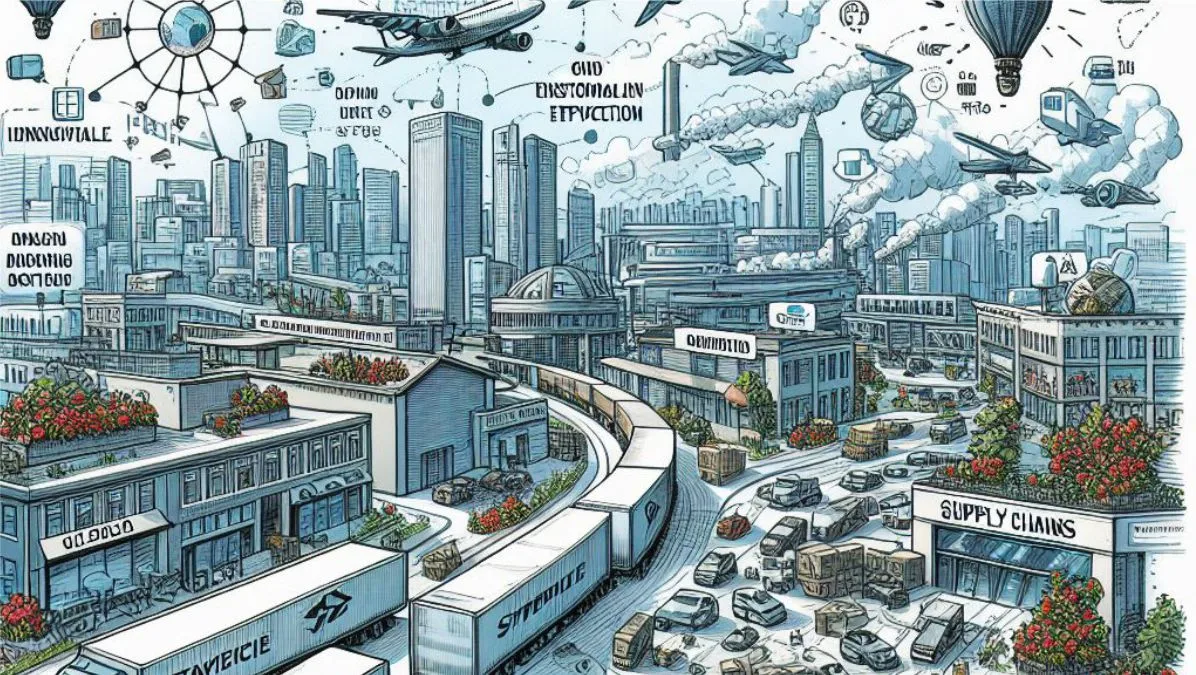
We agree with this opinion as the transportation management systems have played a central role in supply chains, affecting every part of the process—from planning and procurement to logistics and lifecycle management.
“The Single TID planned by Tanjung Priok Port Authority and Operator should be understood and developed as transportation management systems (TMS). The TMS will give many benefits in the whole logistics process.
Understanding and putting this The Single TID as a part of TMS will bring some benefits. Including the benefits of reduced costs for the business and the end customer, simplification of supply chain processes across geographies, modes, and carriers, automation of business operations for faster and more accurate billing and documentation, and improvement in visibility and security, especially in transit, time savings—fewer manual steps result in fewer delays and faster delivery times, the ability to track freight, both locally and globally, on a single platform.
In addition, it will achieve better import and export compliance minimizing penalties and shipment delays. Also, new business insights such as better reporting lead to faster action and process improvement and improvements in customer service that increase customer satisfaction with real-time updates and fewer shipment delays. Eventually, the ability to scale the business by meeting and exceeding customer demands for fast, on-time shipments. Hopefully.
Read ISG Cover Story April 2021: https://theshippinggazette.com/unlocking-prioks-land-transportation-bottlenecks/