The Logistics and Supply Chain Agency of the Indonesia Chamber of Commerce and Industry (Badan Logistik dan Rantai Pasok KADIN) calls for the gradual implementation of the National Logistic Ecosystem (NLE). Some trials or pilot projects can be done at any segment of the NLE, including in the port, Head of KADIN’s Logistics and Supply Chain Agency Akbar Djohan has said.
According to Akbar, the trials or pilot projects are necessary and an initial step in adopting the system. “We don’t want it (NLE) as just a concept or theory. We want it as a real strategy to overcome our logistics problems and optimize our logistics potencies.”
KADIN, he said, absolutely commits and is very responsive to any initiatives to overcome the logistics problems, including the NLE that the government has initiated. “The establishment of this board (KADIN’s Logistics and Supply Chain Board) proves our seriousness in responding to the issue,” he said.
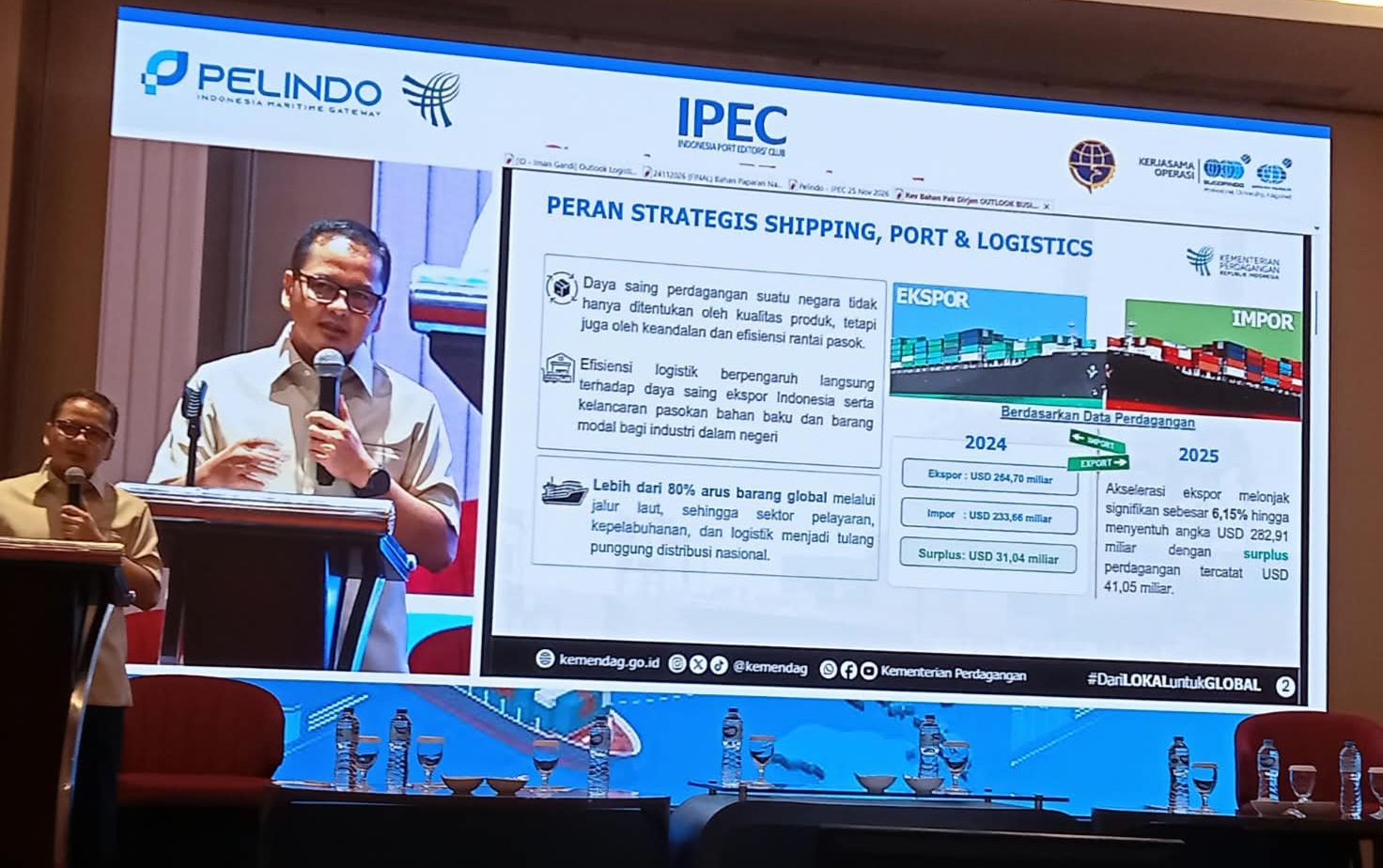
The government has continued to campaign to create efficiency in the logistics business in Indonesia by reducing logistics costs. The government targets to reduce logistics costs to 17% of the GDP. There is evidence that Indonesia’s transportation and logistics activities still need to be more efficient, proved by high logistics costs and longer cycle-time in cargo delivery. Logistics cost reaches more than 22% of GDP (Gross Domestic Products) and around 40% of goods retail price, according to Indonesia Logistics and Forwarders Association (ALFI/ILFA).
Compared to neighboring countries, including the ones in ASEAN countries, Indonesia’s logistics cost to GDP is the highest, higher than Vietnam (15%), Thailand (13,2%), Malaysia (13%), and Singapore (8,1%). The government has called for reducing the national logistics from 22% to 17% of GDP.
“We support reducing these logistics costs to 17%, but it is very multidimensional,” he said, adding that the logistics business has been massively disrupted, not only by the Covid-19 pandemic and geopolitical factor of the Ukraine War, but also due to the business disruption. These disruptions have come so fast that they change the landscape of the logistics business,” he said.
He said KADIN would continue to pioneer concrete steps in responding to those challenges. However, he affirmed that what KADIN is doing now is not a new thing.
He said the government initiated it through the National Logistics System (Sislognas) in 2012. “Sislognas is the soul of this NLE. But, as the logistics are so dynamic in line with the most updated information and technology, there are some innovations in it, including the adoption of digitalization in logistics,” he said.

KIP, a Role Model
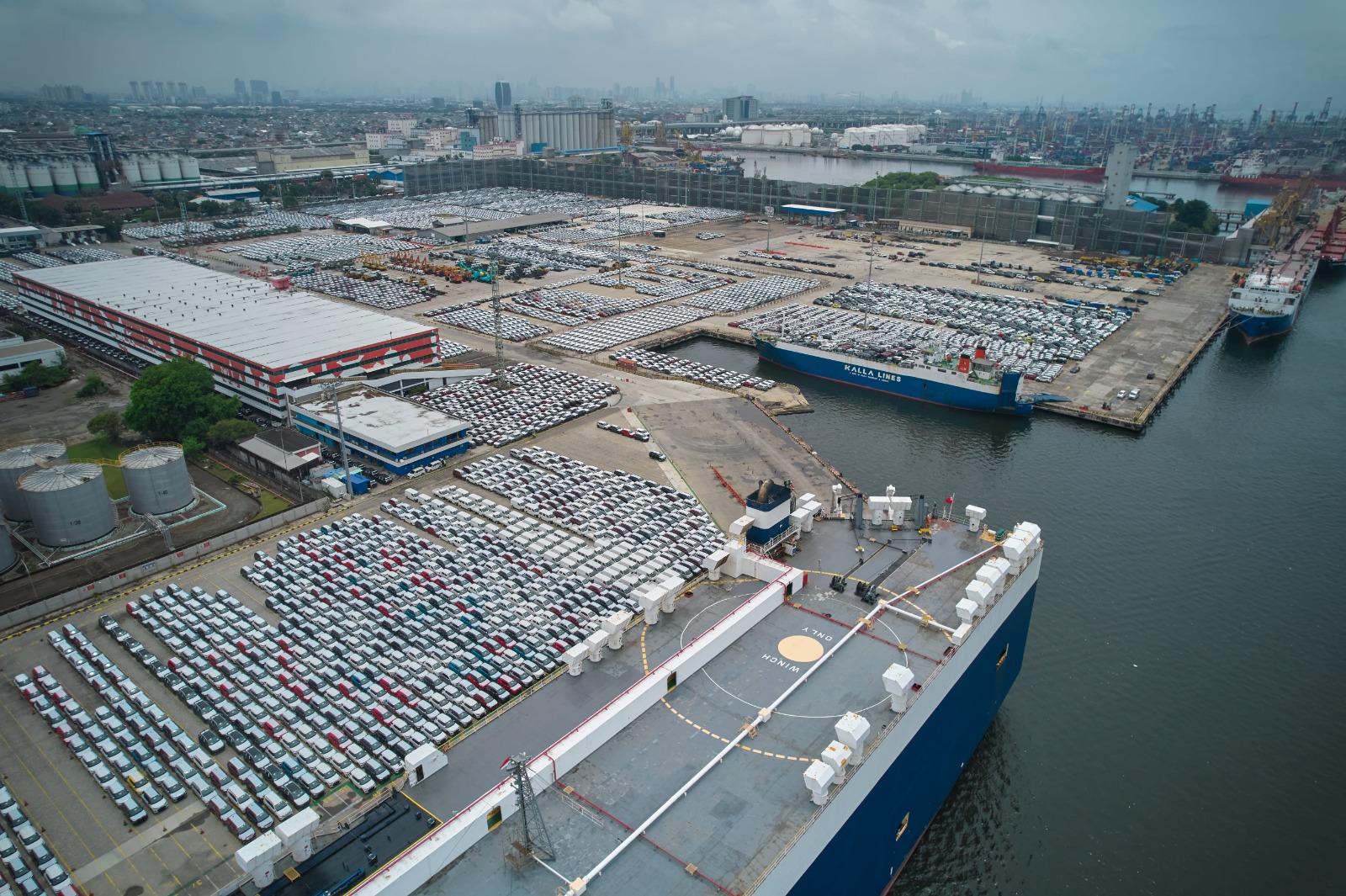
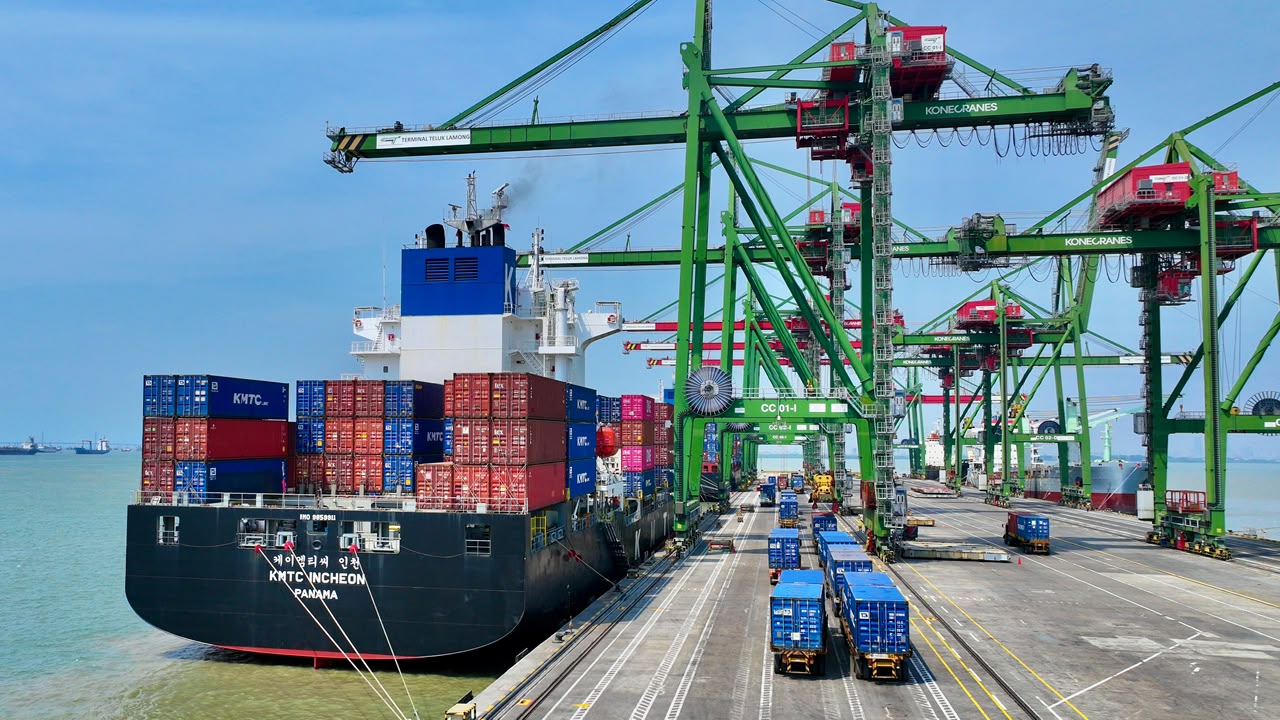
Among the aspects of the NLE concept, a port is one of the key chains. Hence, according to Akbar, a port is expected not only to play as a gateway that runs loading/unloading activities. A port must play a pivotal role in the supply chain process.
“We want a port to run functions of the supply chain,” Akbar said, referring to some modern ports in Europe and China. “Some modern ports worldwide have been equipped with some infrastructures for the simple production process,” he said further.
The modern ports must integrate with the warehouse and production center. With an integrated port, the logistics cost will be more efficient, while the delivery process will be fastened and timely fixed.
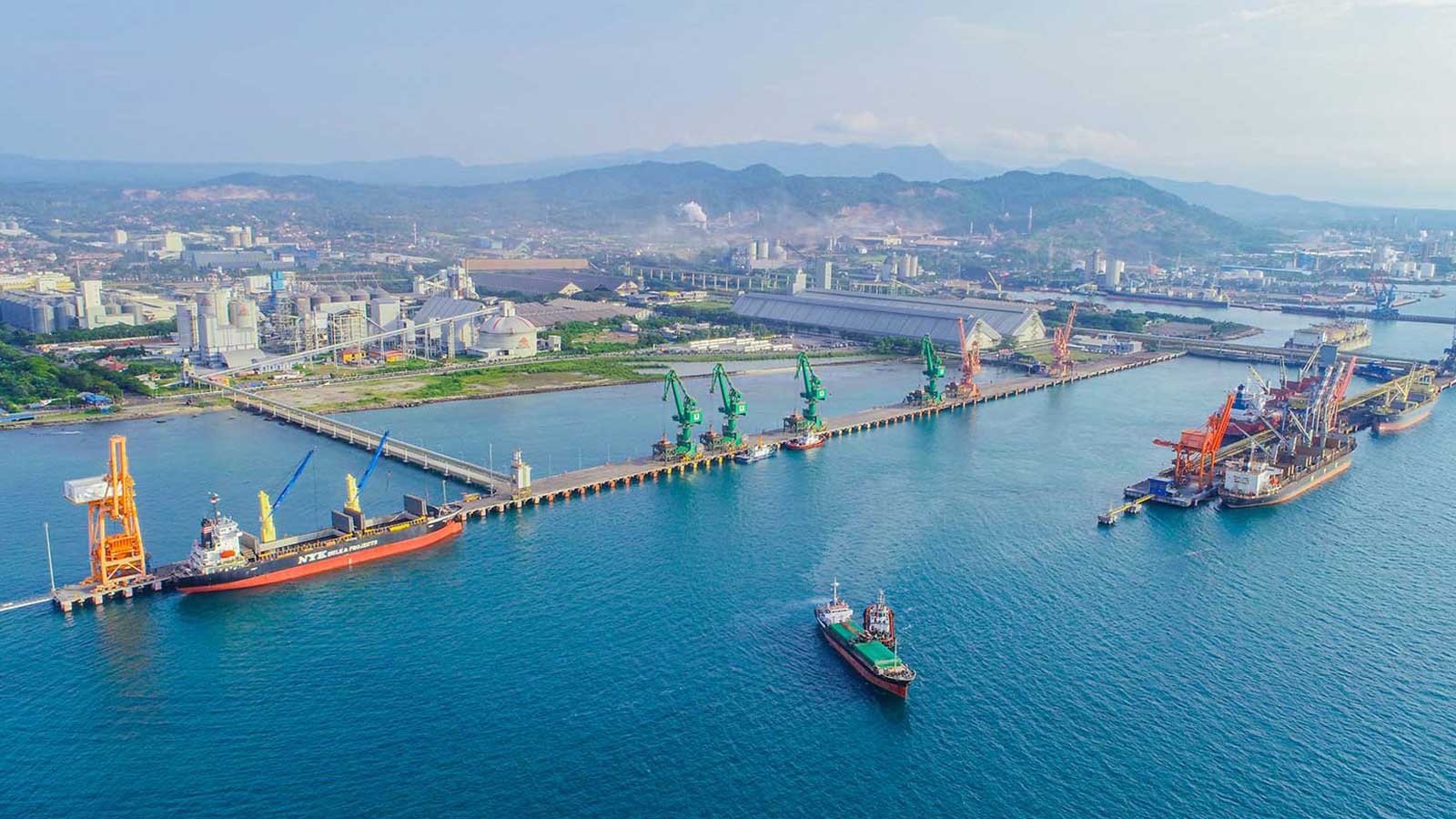
Akbar, who is also President Director of Krakatau International Port (KIP), explained that KIP had been a pilot project for NLE implementation as the port has been developed to be a modern port in which it has run the function of the supply chain which has been integrated with hinterland and industries.
In addition, KIP has also connected with other ports and other modes of transportation, including railways. “KIP has built an ecosystem. We have been connected with the hinterland and other ports. KIP has also been connected with different modes of transportation”.