

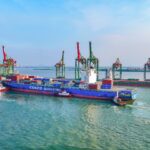
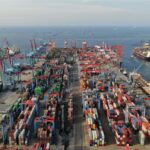
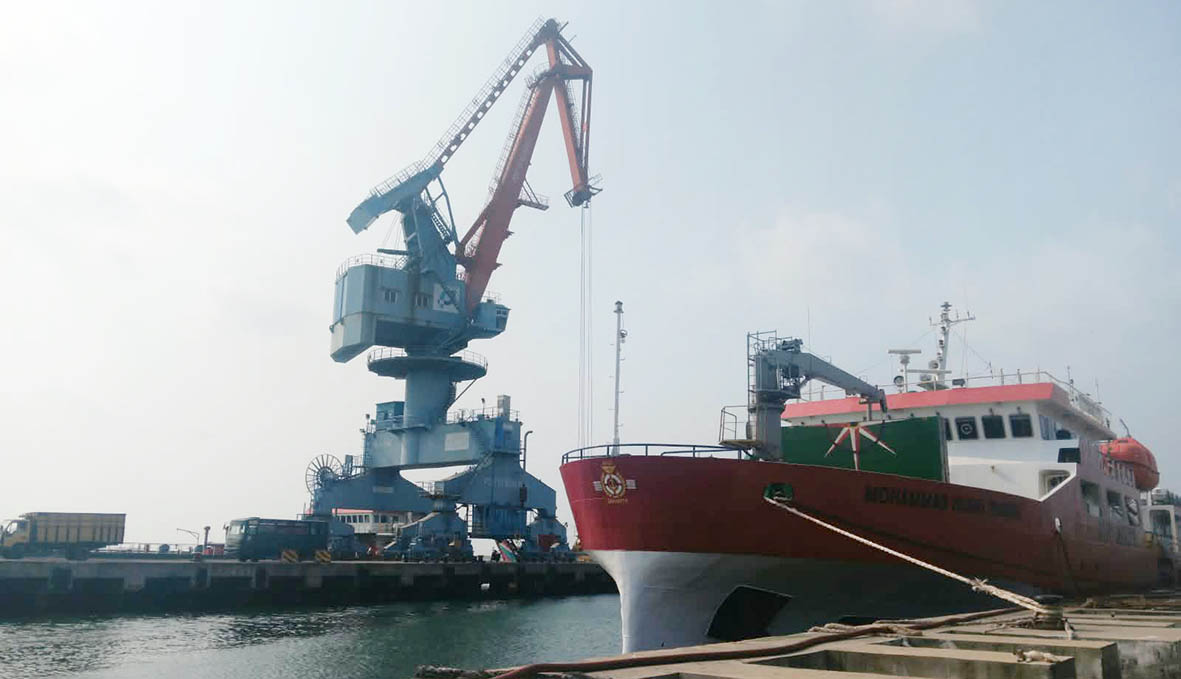
On a Tuesday afternoon at Pulau Baai Port, five vessels were lined up at Nusantara Wharf, loading and unloading cargo as shipping activity returned to normal after months of work to restore the port’s channel.
Among them was Mohammad Husni Thamrin, a pioneer vessel serving the Bengkulu-Enggano-Linau route. Nearby were two crude palm-oil carriers, Cavalo Marinho 10 and Sukses Bersama 18, as well as the general-cargo ship Shinriki and an ASDP ferry serving the Pulau Baai-Enggano route.
The scene on Sept. 29 offered a visible sign that one of Bengkulu’s main maritime gateways was operating normally again.
The shipping channel has been dredged to a depth of 6.5 meters at Mean Low Water Springs, allowing vessels to resume regular shipping and cargo-handling activities, according to Pelindo Regional 2 Bengkulu.
But the work has also raised a longer-term question: how to pay for keeping the channel open.
Pelindo is preparing to commercialize the channel by introducing a fee for users. The proposal has received agreement from service users represented by relevant industry associations, but it still requires a formal decision from Indonesia’s Ministry of Transportation.
Dimas Rizky Kusmayadi, general manager of Pelindo Regional 2 Bengkulu, said the dredging had been carried out continuously to restore the channel and allow vessel operations to resume.
“With the dredging completed, shipping operations at Pulau Baai Port have returned to normal,” Dimas told The Shipping Gazette.
Finds Its Rhythm Again
The return of regular shipping comes as the port handles a mix of containerized goods, fuel, coal, palm oil and passengers.
Between January and August 2026, container vessels made an average of six to eight calls a month at Pulau Baai, according to Pelindo data. The services are operated by companies including Temas Line and SPIL.
The port handled 7,038 containers during those eight months. Passenger movements totaled 11,270, counting people embarking and disembarking.

Photo: Dimas Rizky Kusmayadi, General Manager of Pelindo Regional 2 Bengkulu
Fuel shipments form another important part of the port’s business.
Through August, 101 vessel calls were recorded for the transportation of Pertamina fuel products. Pertalite shipments accounted for about 137,418 metric tons across 51 calls, while Pertamax totaled 37,825 tons across 22 calls.
B40 shipments reached 59,572 tons across 21 calls, while B50 shipments totaled 19,669 tons across seven calls.
The port also handled 1.4 million tons of coal and 349,161 tons of crude palm oil through August.
Those volumes give the channel a significance beyond the vessels visible at the wharf. For Pelindo, keeping the waterway navigable is a matter of maintaining the link between producers, consumers and transport networks in Bengkulu.
Building for More Cargo
The dredging isn’t the only investment underway at Pulau Baai.
Pelindo is repairing a conveyor system used to handle coal, part of an effort to keep loading and unloading operations running smoothly.
The company is also constructing a Liquid Bulk Terminal, or TCC, designed to handle liquid commodities such as crude palm oil.
“In the future, CPO loading and unloading operations will be relocated to the TCC,” Dimas said.
Construction is targeted for completion in early 2027. Pelindo expects the dedicated terminal to increase the volume of CPO that can be handled at the port and improve the movement of the commodity through the region.
Road infrastructure inside the port is also being upgraded. Pelindo is improving access roads in the “Line 1” area to facilitate vehicle movements and other operational activities.
Together, the projects point to an effort to expand the port’s ability to handle cargo while improving the infrastructure needed to move it.
Commercial Scheme to Sustain Channel Operation
For now, the immediate issue is no longer whether ships can use the channel. It is how the channel will be maintained after the dredging is complete.

Pelindo is seeking to introduce a channel fee for users, arguing that a commercial mechanism would provide a sustainable source of funding for future maintenance.
Dimas said the proposed fee structure had been agreed with service users through relevant associations.
The plan, however, cannot take effect until the Ministry of Transportation issues a formal decision.
According to Dimas, the commercialization plan has secured a 24-year concession. Pelindo hopes the arrangement can eventually become a model for other ports it manages in Indonesia.
The logic is straightforward: a deeper channel can bring ships back, but keeping it deep requires continuing investment.
At Pulau Baai, the five vessels at Nusantara Wharf on Sept. 29 marked the return of regular activity. The next challenge is making sure the channel remains open for the ships that follow.


