
Terminal Teluk Lamong has expanded container volumes, cut vessel waiting times and integrated three terminals while advancing digitalization, operational efficiency and sustainable logistics services
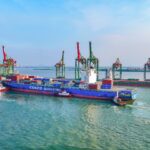
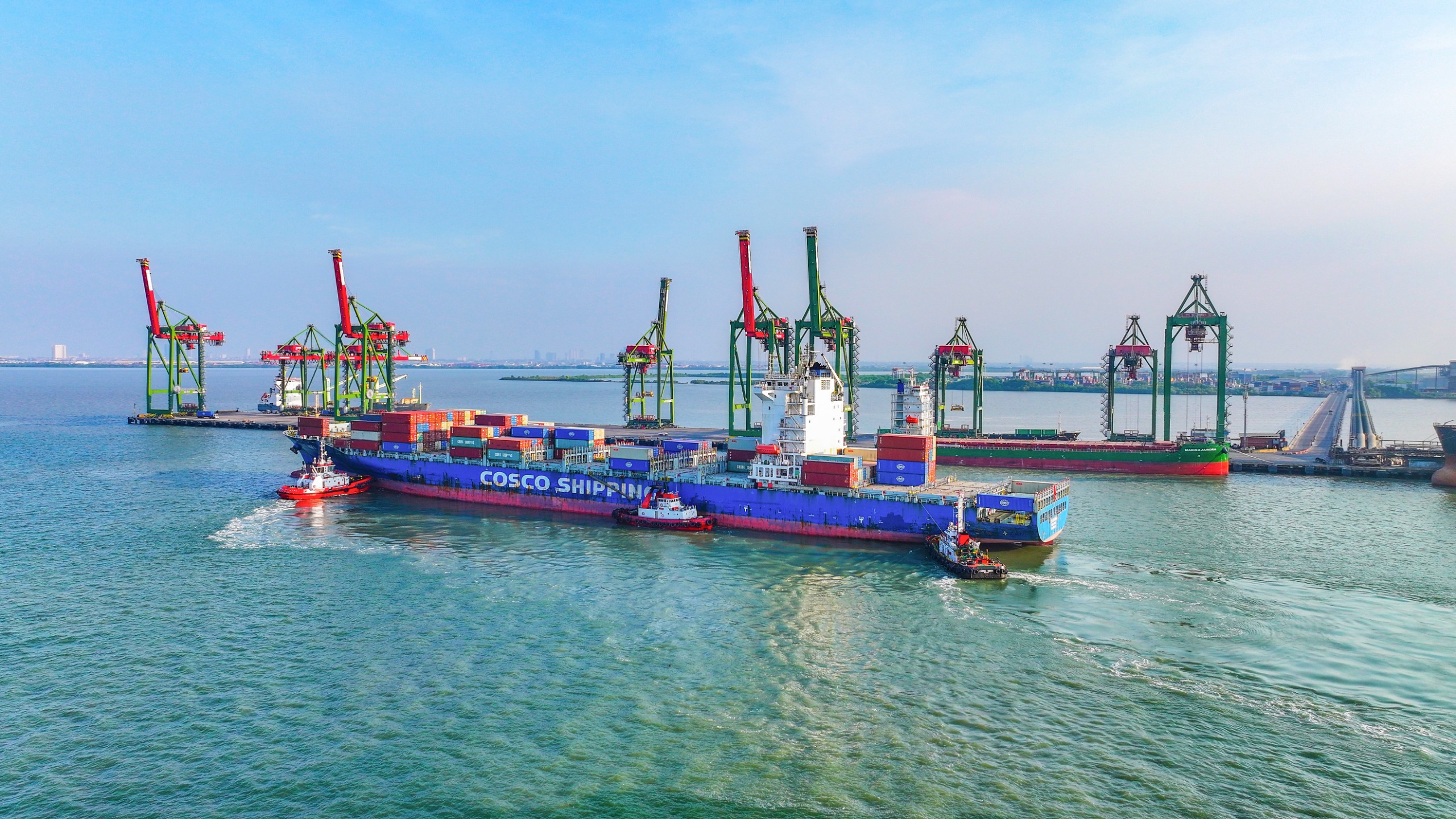
Five years after Indonesia’s state-owned port operator Pelindo merged its port businesses, Terminal Teluk Lamong has expanded container handling, shortened vessel waiting times and integrated operations across three container terminals as it seeks to improve efficiency and service reliability.
PT Terminal Teluk Lamong (TTL), part of PT Pelabuhan Indonesia (Persero), has focused its post-merger transformation on standardizing operations, improving equipment productivity and expanding digital services, reflecting Pelindo’s broader push to integrate terminal management.
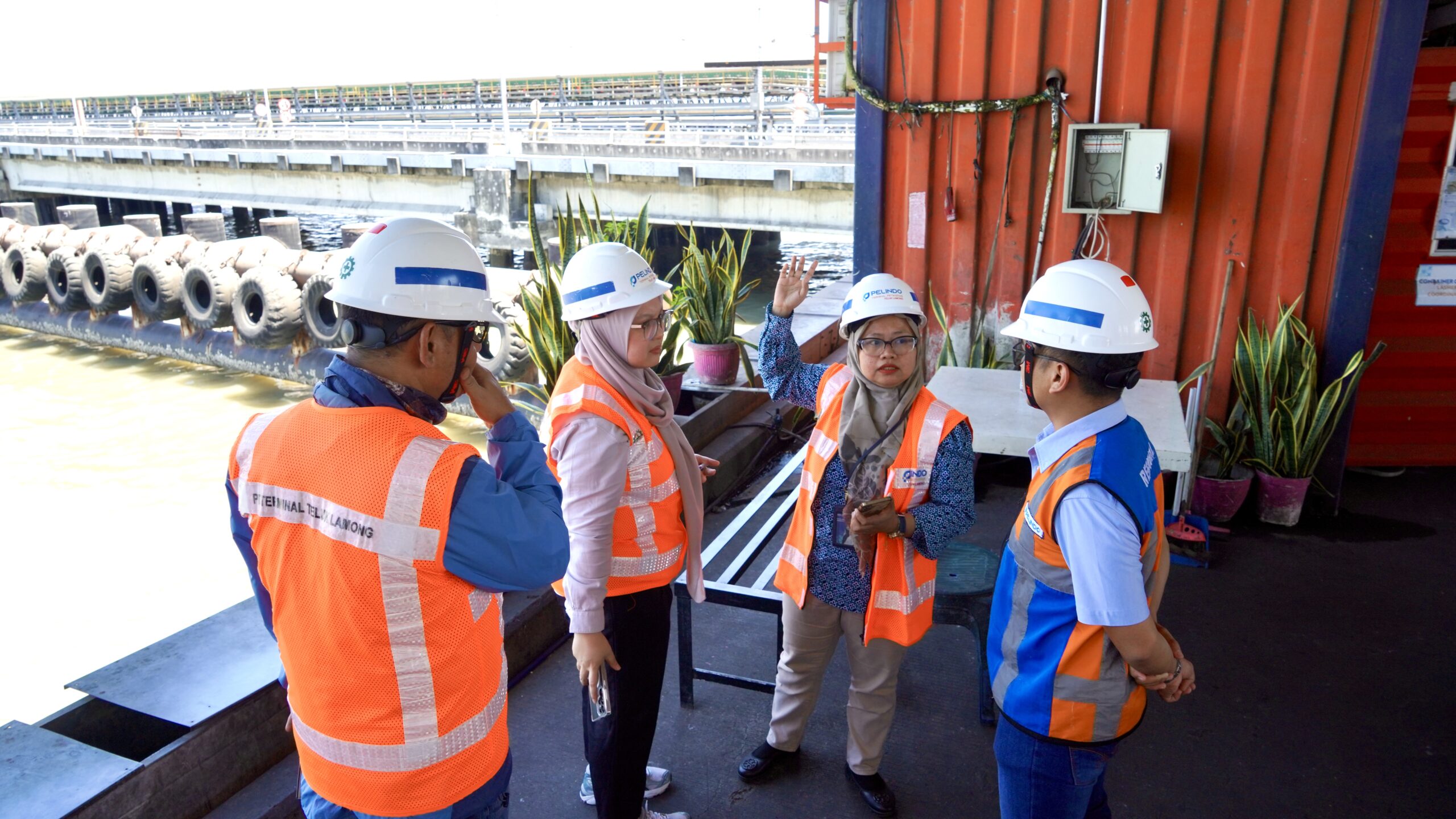
One of the changes has addressed a longstanding challenge at the domestic berth, where strong currents had affected vessel turnaround times. By reviewing operating patterns and coordinating with pilotage services, TTL adjusted its procedures to allow vessels to be served more flexibly instead of waiting for specific current conditions.
The changes reduced average vessel waiting time to 1.83 hours from 6.67 hours, the company said.
TTL has also introduced “Berthing Priority” and “Berthing Window” arrangements to make berthing schedules more predictable, reduce delays and improve shipping reliability. The measures are being implemented progressively across its terminals in response to customer demand.
The operational changes have accompanied a sharp increase in container throughput. TTL handled 780,160 twenty-foot equivalent units (TEUs) in 2021, rising to 2,187,964 TEUs in 2025. Throughput growth accelerated to 55.9% in 2024 and 64.6% in 2025.
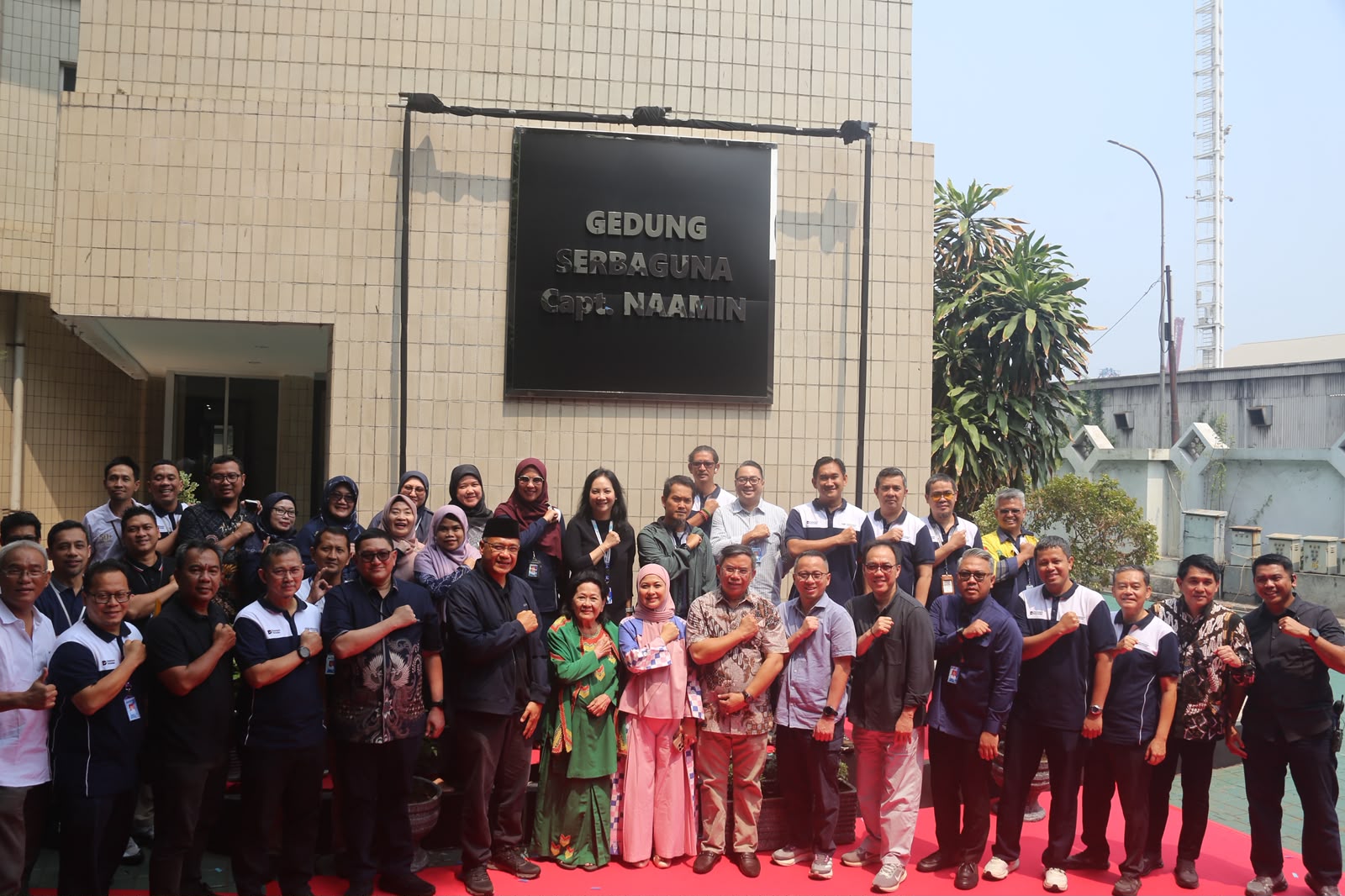
The company’s expanding operational scope has also contributed to the transformation. TTL assumed operational control of Nilam Container Terminal in 2024 and Berlian Container Terminal in 2025, adding to its management of Teluk Lamong Container Terminal.
The three facilities now form a more integrated operating network, creating opportunities to coordinate capacity, equipment and resources while standardizing procedures across terminals.
“The five years following the merger have marked a significant journey for Terminal Teluk Lamong. We have not only grown in terms of volume but have also continued to build an operational foundation that is increasingly integrated, productive, and customer-oriented,” said David Pandapotan Sirait, TTL’s president director.
He said the increase in throughput indicated that integration and operational improvements were generating greater value for customers, the company and Pelindo.
Digital systems target efficiency
Digitalization has become another focus of TTL’s transformation. In 2025, the company introduced its Terminal Booking System (TBS) to help regulate truck arrival schedules, manage Truck Round Time (TRT) and improve the efficiency of cargo transport operations.
The system is intended to balance the flow of trucks entering the terminal, improve the use of handling capacity and reduce inefficiencies associated with vehicle movements.
TTL is also developing an Integrated Planning & Control system to improve the planning and monitoring of terminal activities through a more coordinated, data-driven approach. Changes to traffic management and supporting facilities are intended to make customer operations safer and more orderly.
The company plans to advance vessel-service improvements through EAZI, or Express Anchorage Zone Service, in 2026. Developed with port stakeholders, the initiative aims to accelerate vessel services at anchorage by optimizing the use of anchorage areas.
Faster processing at anchorage could reduce vessel turnaround times and help ships proceed more quickly to berthing and subsequent terminal operations.
“For us, transformation is not a single, standalone project, but a series of continuous improvements,” David said, citing faster vessel berthing, more predictable schedules, orderly truck access and integrated operational planning as priorities.
“Everything converges on a single goal: providing faster, more predictable, safer, and more efficient services to our customers,” he added.
Sustainability and the next phase
Beyond throughput and service improvements, TTL is seeking to build a terminal ecosystem that is more digitally connected, resource-efficient and environmentally sustainable.
Integration across the three terminals provides scope to optimize assets, standardize operations and strengthen coordination among terminal operators, shipping lines, transporters, customers and logistics partners.
The company is also pursuing energy efficiency, reduced environmental impacts, workplace safety and more sustainable operations as it develops terminal capacity and productivity.
“The integration of the three terminals provides us with greater scope to optimize capacity, assets, and resources more effectively,” David said.
He added that the next phase would focus on building a smart, green and sustainable terminal ecosystem while responding to customer needs and changes in the logistics industry.
Five years after the Pelindo merger, TTL’s next challenge is to translate its expanded operating scale and digital investments into sustained improvements in reliability, efficiency and environmental performance.
The company says it will continue integrating its three terminals, increasing productivity and developing technology-driven services to strengthen logistics connectivity and supply-chain efficiency, supporting Indonesia’s maritime competitiveness.