New deal covers more than 10,000 TEUs annually, supporting transport, equipment management and supply chain coordination for Balco’s Australian forage exports to global markets
DP World and Balco Australia have signed a multi-year logistics agreement covering the movement of more than 10,000 twenty-foot equivalent units (TEUs) annually, the companies said on Tuesday.
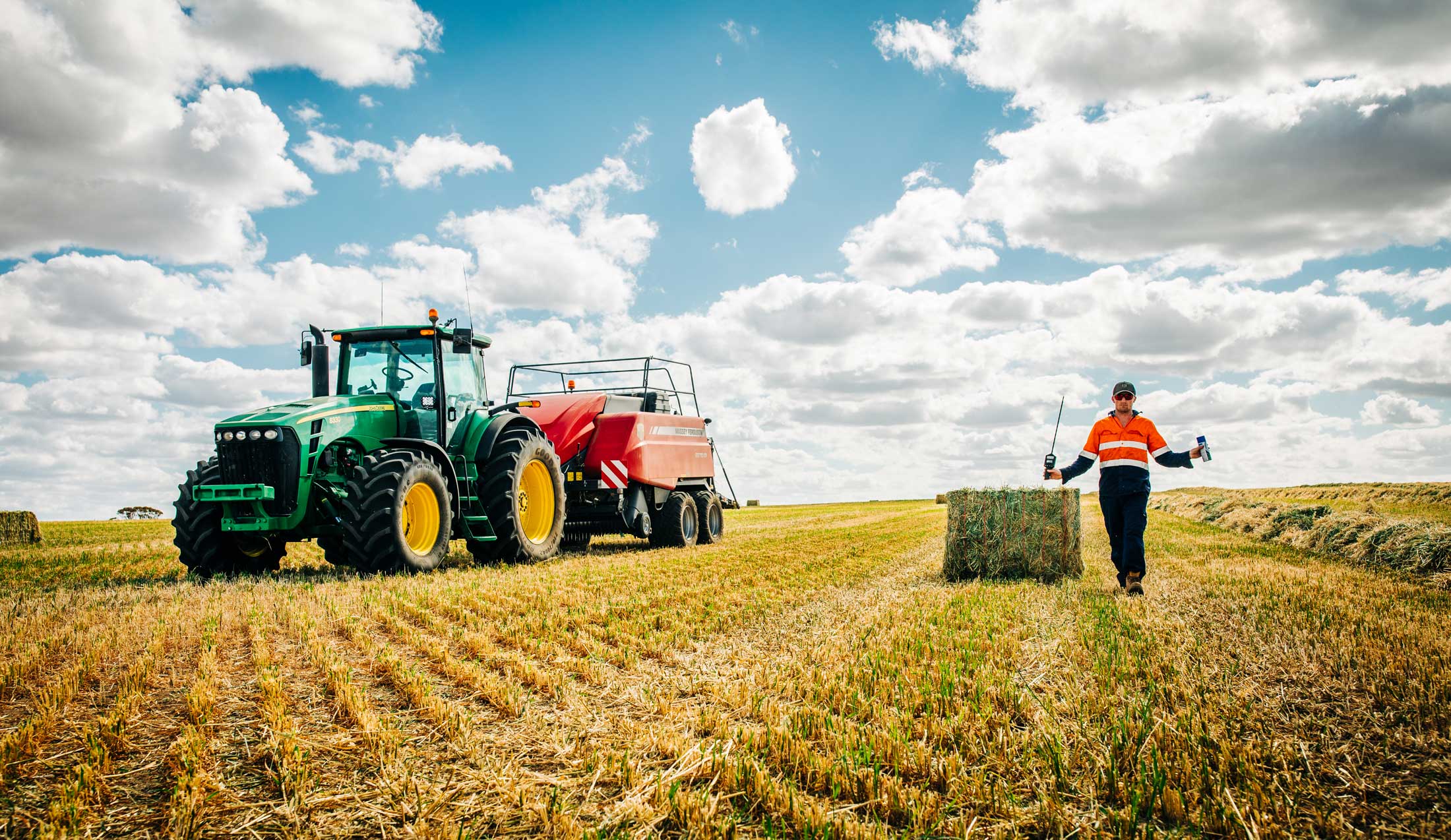
Under the agreement, DP World will provide road transport, equipment management and supply chain coordination services to support the movement of forage products from Balco’s regional production sites to export gateways and international markets.
The partnership will also include investment in specialised transport assets and dedicated account management to support Balco’s export operations and international expansion, the companies said.
Balco is an Australian exporter of premium forage products and a provider of ruminant fibre solutions. The company said the agreement would strengthen the resilience and efficiency of its supply chain as it expands in international markets.
Nicolaj Noes, executive vice president for Oceania at DP World, said the agreement would combine the company’s port, transport and logistics capabilities to improve the movement of Balco’s exports from regional Australia to overseas markets.
“Balco plays an important role in bringing Australian agricultural products to customers around the world, and we’re proud to strengthen our partnership as its trusted logistics provider,” Noes said.
Linda Xu, general manager of logistics and fulfilment at Balco Australia, said a stable and resilient supply chain was important to the company’s ability to serve international customers and expand overseas.
“DP World is an important partner in delivering Balco’s global supply chain strategy,” Xu said.
The companies said the agreement would use DP World’s logistics network across Australia to coordinate the movement of Balco’s products from regional production sites to export gateways.
They said the partnership would also support Australia’s agricultural exports and regional economic activity while improving the competitiveness of Australian agricultural products in international markets.