



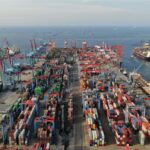

Indonesia’s container depot industry is pushing for greater use of digital technology and greener operations to improve efficiency and strengthen the country’s logistics supply chain, the Indonesian Container Depot Association (ASDEKI) said on Friday.
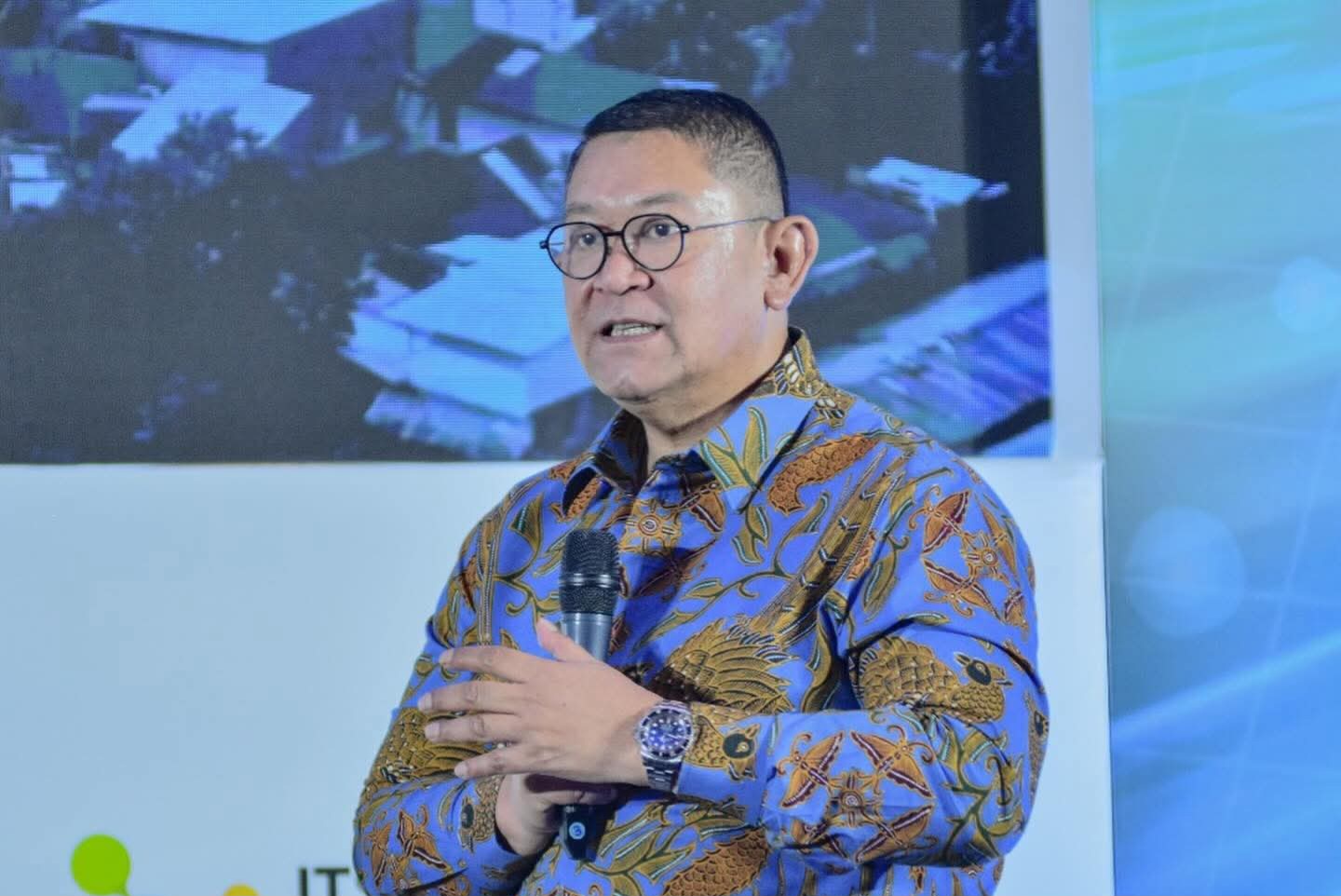
ASDEKI Chairman Mustofa Kamal Hamka said container depots were becoming increasingly important nodes in the national logistics network as global supply chains faced pressure from climate change and rapid digitalisation.
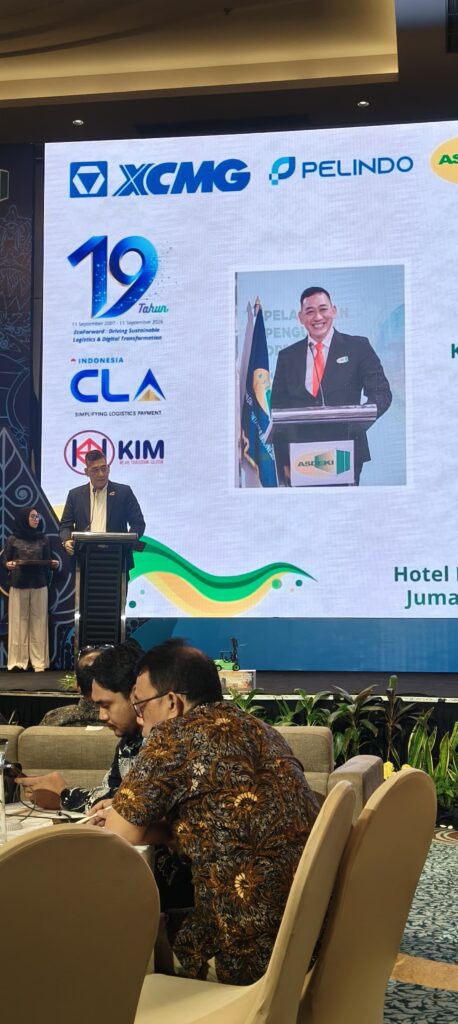
“Container depots are not merely sites for stacking or storing containers; they serve as crucial nodes ensuring the smooth flow of goods and supply chains,” Mustofa said at an ASDEKI event in Surabaya.
The association marked its 19th anniversary with “ASDEKI’s Day 2026”, which also included its third national working meeting of the year and the launch of its 2026 Profile and Directory.
Mustofa said ASDEKI would focus on two main areas: decarbonisation and green logistics, and digital transformation.
“Through ASDEKI’s Day 2026, we are strengthening two main pillars, Decarbonization & Green Logistics and Digital Transformation — to boost Indonesia’s logistics competitiveness on the international stage,” he said.
Green logistics
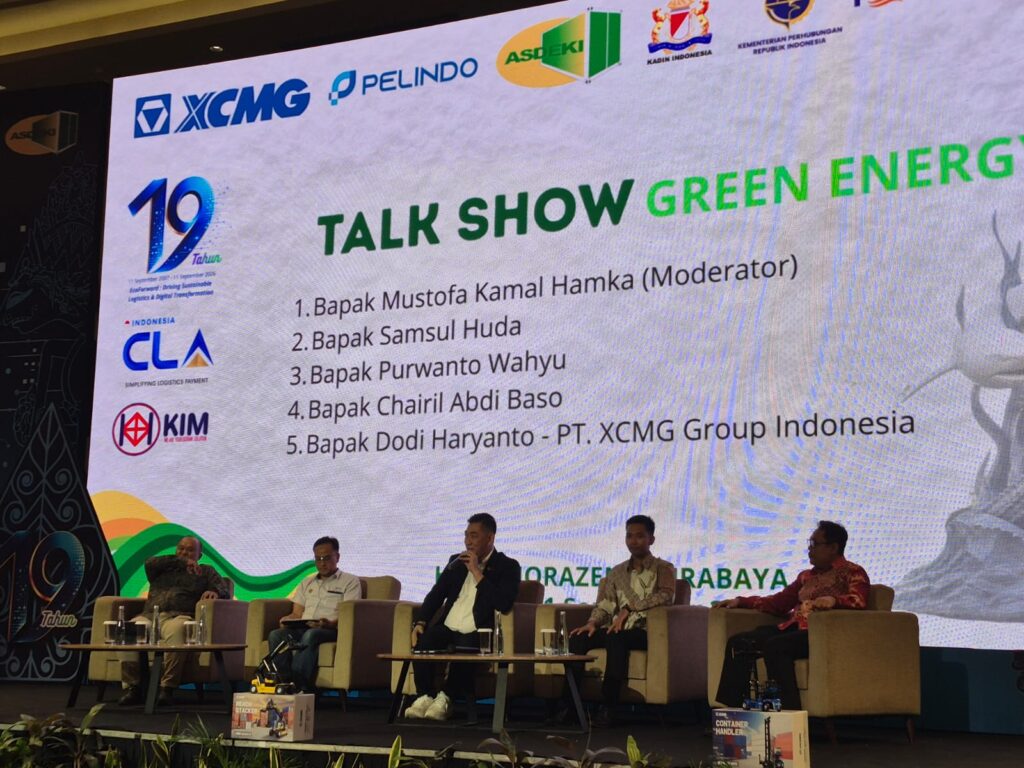
The event featured a discussion on cooperation to develop greener logistics involving stakeholders including the Directorate General of Sea Transportation, the Coordinating Ministry for Economic Affairs, state port operator Pelindo and Chinese heavy-equipment manufacturer XCMG.
For container depots, the shift towards greener logistics involves both the adoption of more energy-efficient equipment and improvements in operational efficiency, ASDEKI said.
Reducing container waiting times, unnecessary movements and energy consumption could help depots lower emissions while improving productivity.
ASDEKI said cooperation between businesses, government agencies, port operators, shipping lines and technology providers would be needed to accelerate the transition.
Digitalisation
ASDEKI also introduced the PORTIFY digital platform as part of efforts to modernise container depot operations.
The platform is designed to improve container tracking, reduce dwell times and facilitate the integration and sharing of operational information between depots, ports and shipping lines.
ASDEKI said greater use of digital systems could reduce reliance on manual processes and allow operators to make faster decisions based on more integrated operational data.
The association’s national working meeting also discussed human-resource development, including certification of competency standards for workers in the container depot sector.
ASDEKI said stronger skills would be needed as technology changes and depot operations become more complex.
The meeting also covered business development and regulations affecting the container depot industry and the wider logistics ecosystem.
ASDEKI said the resulting work programmes would focus on improving industry competitiveness while supporting a more efficient and sustainable logistics system.
Industry directory
ASDEKI launched its 2026 Profile and Directory, containing information on members, facilities and affiliated container depots across Indonesia.
The association said the publication was intended to provide businesses and other stakeholders with an overview of the country’s container depot capacity and network.
Founded on Sept. 11, 2007, ASDEKI is an association representing container depot operators in Indonesia. It has regional management councils in Jakarta, East Java, Central Java, North Sumatra, South Sumatra, the Riau Islands, Lampung and East Kalimantan.
The association said digitalisation, workforce development, cross-sector cooperation and greener logistics would form key parts of its development agenda as it enters its 20th year.