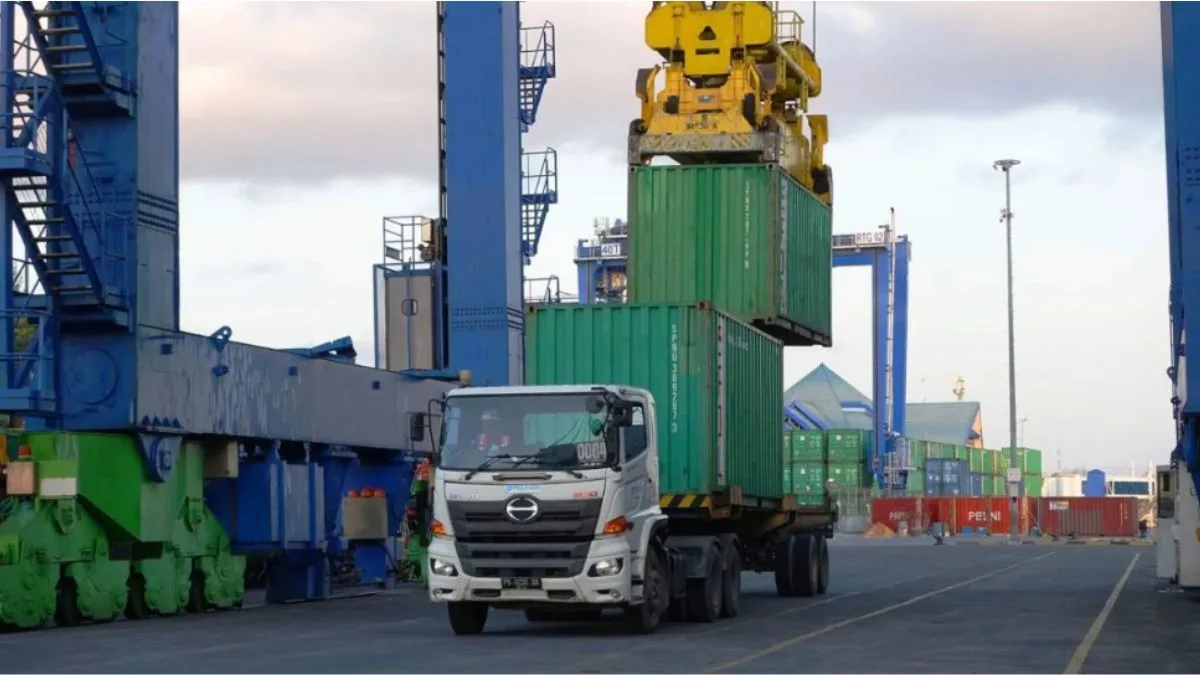
PT Salam Pasific Indonesia Lines (SPIL), a prominent player in the maritime industry, proudly announces substantial cost savings of up to 30% in its operational expenses while vessels are docked at the Jayapura-Papua Container Terminal (TPK).
Slamet Sampurno, Branch Manager of SPIL in Jayapura, unveiled these impressive cost reductions, which stem from the optimization of operational support expenditures, including logistics and fuel for ship generators. Moreover, berth costs have been dramatically reduced from their previous duration of 2-3 days to a mere 0.5-1 day.
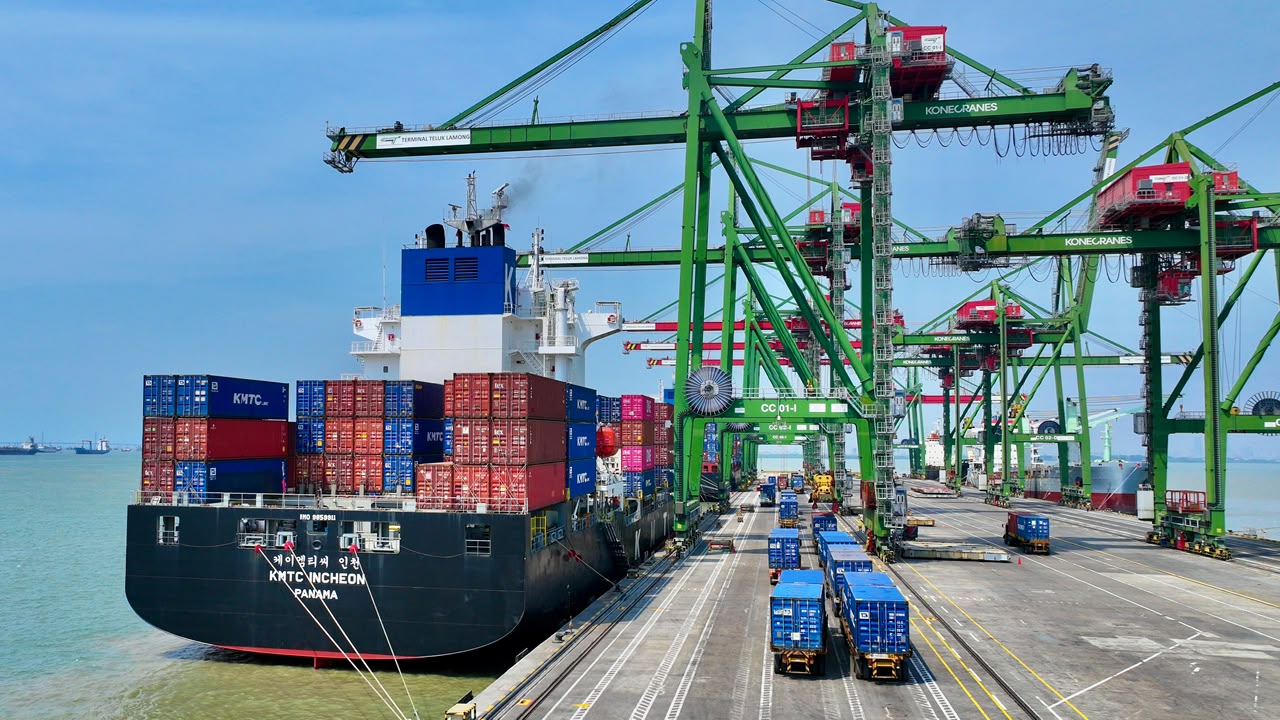
This substantial reduction in operating costs can be attributed to the efficient cargo handling at the Jayapura TPK, driven by transformative measures undertaken by PT Pelindo Terminal Petikemas (SPTP). The average time required for unloading and loading 500 containers has been significantly cut down to 11 hours, a substantial improvement from the previous timeframe of up to 30 hours.
The expedited cargo handling can be attributed to the enhanced services provided by TPK Jayapura. The implementation of a planning and control-based operational approach has streamlined operations, ensuring efficient cargo handling and systematic container placement within the storage yard. Additionally, the responsive actions of personnel when equipment issues arise during cargo handling have further improved operational efficiency.
The introduction of an Integrated Billing System (IBS) has offered substantial benefits to service users. The IBS allows real-time monitoring of cargo handling activities within the terminal, simplifying the payment process for terminal service charges, eliminating the need for physical queuing at Jayapura TPK’s counters.
Ernest Montolalu, Director of PT Serakoy Raya and a Transport Service Provider (Jasa Pengurusan Transportasi, JPT), noted the significant enhancements in document processing and goods retrieval. Thanks to the IBS system, these processes have become more convenient, faster, and highly organized. The system provides users with information on ship arrival schedules and cargo positions, greatly improving transparency and efficiency.
In stark contrast to the previous scenario, where document processing at TPK Jayapura was time-consuming and required days of waiting in queues, the services have undergone a remarkable transformation. Container arrangement and organization are now systematic, greatly facilitating cargo retrieval for drivers.
Similar improvements have been realized at TPK Sorong, according to Slamet Riyanto, Head of PT Tanto Intim Line in Sorong. Notably, the frequency of visits by Tanto’s vessels to TPK Sorong has surged from three to an average of five vessels per month. Furthermore, the faster cargo handling has resulted in significant operational cost savings, reflecting the broader positive industry impact.
M. Adji, CEO of PT Pelindo Terminal Petikemas, underscored the company’s unwavering commitment to enhancing container terminal services for users. The focus is on standardizing container terminal operations to ensure uniformity and high operational performance across all terminals.
Standardized training and internships are provided to operational staff, offering a consistent understanding of basic terminal operations. Employees are trained at standard terminals like IPC TPK, JICT, and TPK Koja to observe and work directly in these settings before returning to their original terminals.
Adji also emphasized the importance of ensuring basic facility and equipment needs are met. The company is actively investing in dock improvements, storage yards, and other facility upgrades. Additionally, they are optimizing asset utilization by reallocating equipment from one terminal to another, reducing the need for new equipment purchases, which can be time-consuming.
These transformation and optimization efforts aim to enhance efficiency and service quality at Indonesian container terminals, ultimately benefiting businesses and the shipping industry at large.