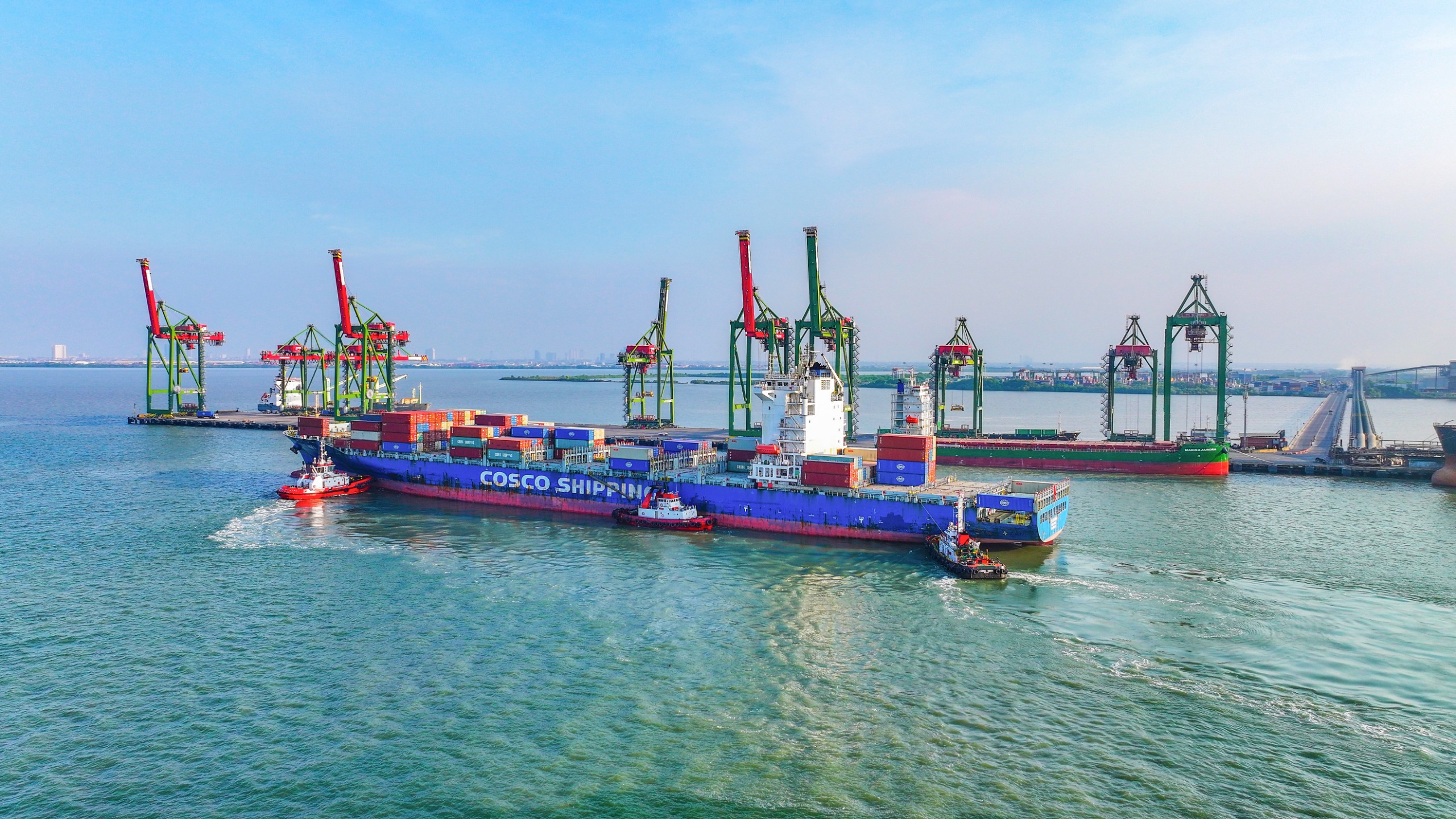






Ports around the world have been complaining for almost a year about the buildup of empty containers contributing to backlogs and supply chain disruptions. Recently, ports and regulators have looked at new measures to move piles of an empty containers. But Sea-Intelligence revisited its analysis of supply chain normalization and the potential impact on empty container flows.
As transit times are extended, containers become tied up in longer supply chains, leading to an initial increase in freight rates in the second half of 2020, as not enough empty containers can be moved to Asia in time. With a massive shortage of empty boxes, shippers will have to order new containers to build in Asia and then put them into an extended supply chain, according to the report.
“Pre-pandemic, the transportation time was 45 days on average, peaking at a transportation time of 112 days in February 2022, which has since been reduced to 88 days, as per the measurement on 26 August 2022,” pointed out Alan Murphy, CEO of Sea-Intelligence.
The supply chain’s return to normal flow in shipping could flood ports with more empty containers early next year.

The blue line in the figure shows the company’s current estimate of excess empty containers to be released in North America from Transpacific trade only. The orange line shows its projections from February 2022.
In February this year, Sea-Intelligence forecast slower returns to the supply chain and smaller excesses. They have estimated that 3.5 million TEUs could be excess by 2023 on the transpacific route. With reports of slowing shipping rates, Sea-Intelligence increased its forecast and pointed to a faster acceleration of container overload.
“If transportation time is back to normal by early next year, we will see the release of 4.3 million TEU of excess containers into North America, which cannot be expatriated, within the planned network operations,” warns Alan. “This will potentially overwhelm empty container depots in the U.S., an issue which is already beginning to materialize.”