






Regulatory coordination, infrastructure investment and global partnerships are essential to unlock Indonesia’s ISO tank market potential, strengthen supply chains and improve logistics safety, efficiency and sustainability across industries
ISO tanks are becoming an increasingly important link in global supply chains, offering a specialized means of transporting liquid bulk cargo safely and efficiently across borders. As demand grows from the chemical, energy, food and pharmaceutical industries, Indonesia has an opportunity to strengthen its position in Southeast Asia’s liquid logistics market, provided it aligns regulations, upgrades infrastructure and accelerates digital integration.
ISO tanks, standardized tank containers designed to transport liquids and gases, can support more efficient distribution by connecting manufacturers, container depots and ports with domestic and international markets. Their expanding role also places greater demands on safety standards, operational reliability and coordination across the logistics chain.
“Isotank is no longer just an alternative transportation unit, but has become the lifeblood of a strategy that connects domestic industry with global markets,” said Mustofa Kamal Hamka, general chairman of the Indonesian Container Depot Association (ASDEKI).
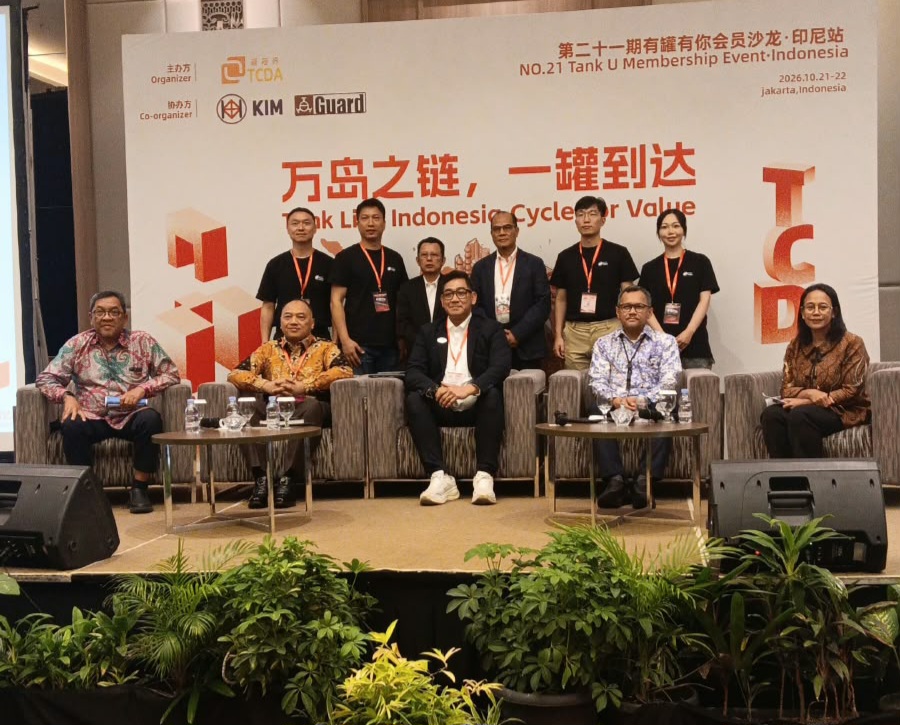
Speaking at the 21st TCDA TankU Membership Event in Bekasi (Jakarta) on Wednesday, Kamal said the sector’s long-term growth would depend not only on the availability of tank units but also on the readiness of the supporting logistics ecosystem.
That ecosystem includes container depot operations, customs compliance, safety procedures, port facilities and integrated digital systems. Weaknesses in any of these areas can undermine efficiency and limit the industry’s ability to meet international customers’ requirements.
Regulatory alignment and infrastructure
For Indonesia to capitalize on the market’s potential, industry players and government agencies need to coordinate regulations and operational requirements more closely, Kamal said.
Regulatory alignment among the Ministry of Transportation, the Ministry of Industry and the Directorate General of Customs and Excise is particularly important to ensure that procedures support efficient cargo movements while maintaining safety and compliance.

Closer coordination could help reduce operational bottlenecks, improve the predictability of logistics processes and strengthen Indonesia’s competitiveness as a regional logistics hub.
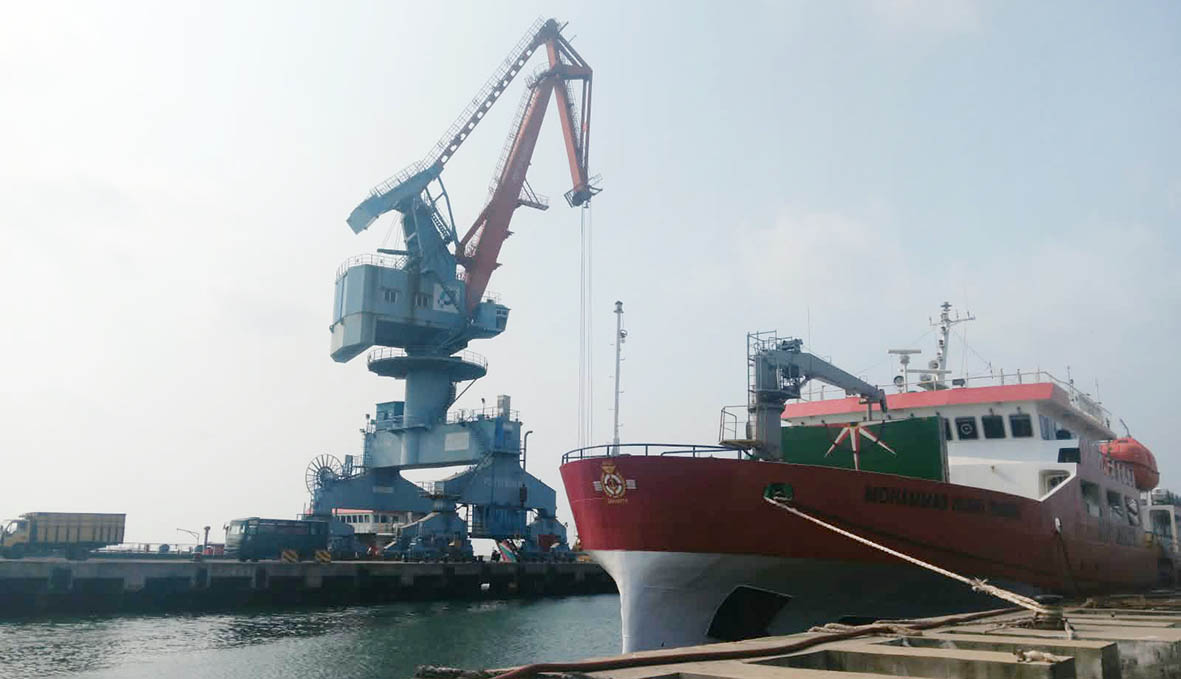
Infrastructure readiness is another priority. Ports and container depots need suitable facilities, trained personnel and technology to handle ISO tanks in accordance with operational and safety requirements.
Prasetiadi, director of operations at state-owned port operator PT Pelabuhan Indonesia (Pelindo), said the company was upgrading its facilities, human resources and technology systems to support ISO tank handling.
“Pelindo has established dedicated areas within container yards to facilitate these operations,” Prasetiadi said.
Dedicated handling areas and improvements in operational capabilities are expected to support more efficient movements between ports and depots. Such investments will become increasingly important as Indonesia seeks to accommodate more specialized liquid bulk cargo.
Depots take on a broader role
Kamal said container depots could no longer function merely as storage facilities but needed to evolve into logistics infrastructure centers capable of supporting increasingly complex supply chains.
ASDEKI is encouraging improvements in depot management, safety protocols for dangerous and liquid cargo, and digital integration to improve operational accuracy and service reliability.
Sustainability is also becoming part of the industry’s modernization agenda. Frameworks such as EcoVadis can provide a reference for assessing sustainability practices and strengthening management standards, Kamal said.
The changes are intended to help depots respond to customer expectations while meeting international requirements for safety, efficiency and environmental performance.
“The reliability of isotank services is not only determined by the quality of the tank units used, but also by the readiness of the entire supporting ecosystem,” Kamal said.
He added that cooperation between government and the private sector was necessary to bridge the gap between regulatory frameworks and operating conditions on the ground.
Global collaboration and market development
The event also highlighted the importance of international partnerships in developing Indonesia’s ISO tank industry.
Amran Rosyadi, director of PT KAN Isotank Mandiri, and Kevin Feng, director of sales and marketing at Guard Technology Co. Ltd., emphasized the need to develop the sector in Indonesia, which they described as a strategic market within Southeast Asia.
Cooperation between Indonesian industry participants and international organizations such as the Tank Container Association (TCDA) could help strengthen technical knowledge, improve operational practices and support the availability of ISO tanks as demand develops.
Representatives from Indonesia’s Ministry of Transportation also highlighted the role of ISO tanks in strengthening national logistics connectivity, particularly in the distribution of chemical industry products.
The development of the sector is expected to improve cargo safety and security, encourage more sustainable logistics practices and accelerate the digitalization of operations. Achieving these goals, however, will require sustained investment and coordination among regulators, port operators, technology providers, tank manufacturers and depot managers.
The event brought together representatives from the Directorate General of Sea Transportation, the Directorate General of Customs and Excise, the Ministry of Industry, Pelindo and private-sector logistics companies.
For Indonesia, the challenge is to turn growing demand for specialized liquid cargo transportation into a more competitive logistics business. Regulatory consistency, fit-for-purpose infrastructure, modern depot operations and international collaboration will be central to ensuring that ISO tanks can contribute more effectively to domestic industry and cross-border trade.