


The Indonesia’s car terminal operator reports 1.37 million cargo units through September, driven by growth at satellite terminals and higher traffic across truck, bus and two-wheeled vehicle segments
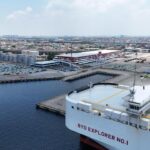
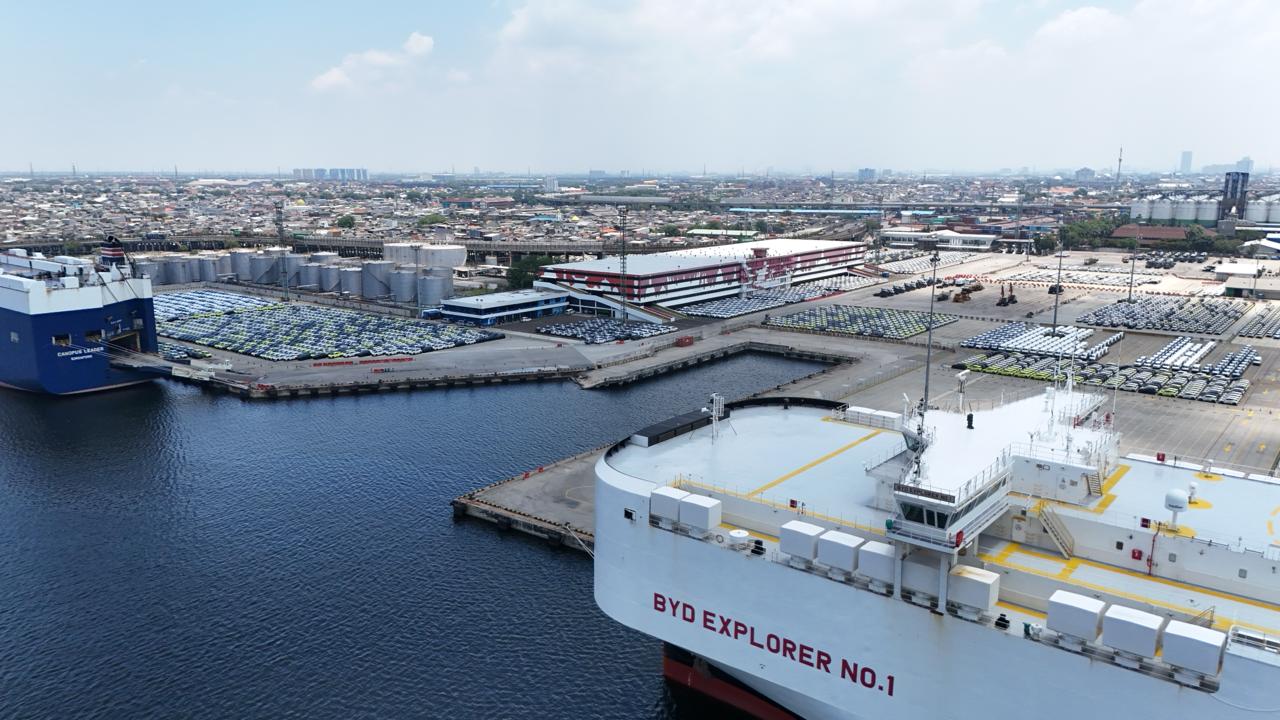
PT Indonesia Kendaraan Terminal Tbk (IPCC), Indonesia’s leading car terminal operator and a subsidiary operating under PT Pelindo Multi Terminal, recorded a 19.57% year-on-year increase in consolidated cargo throughput to 1,373,926 units through September 2026.
The company’s performance was supported by stronger activity across its five satellite terminals, particularly in Banjarmasin and Makassar, alongside operations at its Jakarta branch.
Ship calls rose 14.87% year on year to 2,958 over the same period, reflecting increased activity across the company’s terminal network.
Cargo growth varied by segment. Completely built-up (CBU) vehicle throughput increased 0.95% year on year to 684,018 units, while heavy equipment volumes rose 5.31% to 25,504 units. Truck and bus traffic grew 43.98%, and two-wheeled vehicle throughput increased 51.46%.
The company attributed the overall increase to its Integrated Auto Solutions strategy, which focuses on strengthening its satellite terminal network and integrating services across regions to expand its vehicle logistics operations.
IPCC President Director Wing Megantoro said the results reflected the contribution of the company’s increasingly integrated operational network and the expansion of domestic services.
He said the company would seek to maintain balanced growth across its operating regions amid changes in the automotive industry and global trade.
“Therefore, IPCC continues to strive to enhance productivity, maintain service quality, and strengthen synergy between terminals to provide reliable services that meet the needs of our clients,” Wing said.
The company plans to strengthen digitalization, improve operational efficiency and develop end-to-end vehicle logistics services to increase customer value and support business competitiveness.
“We are committed to enhancing the company’s competitiveness and supporting the sustainable growth of the national automotive ecosystem,” Wing said.