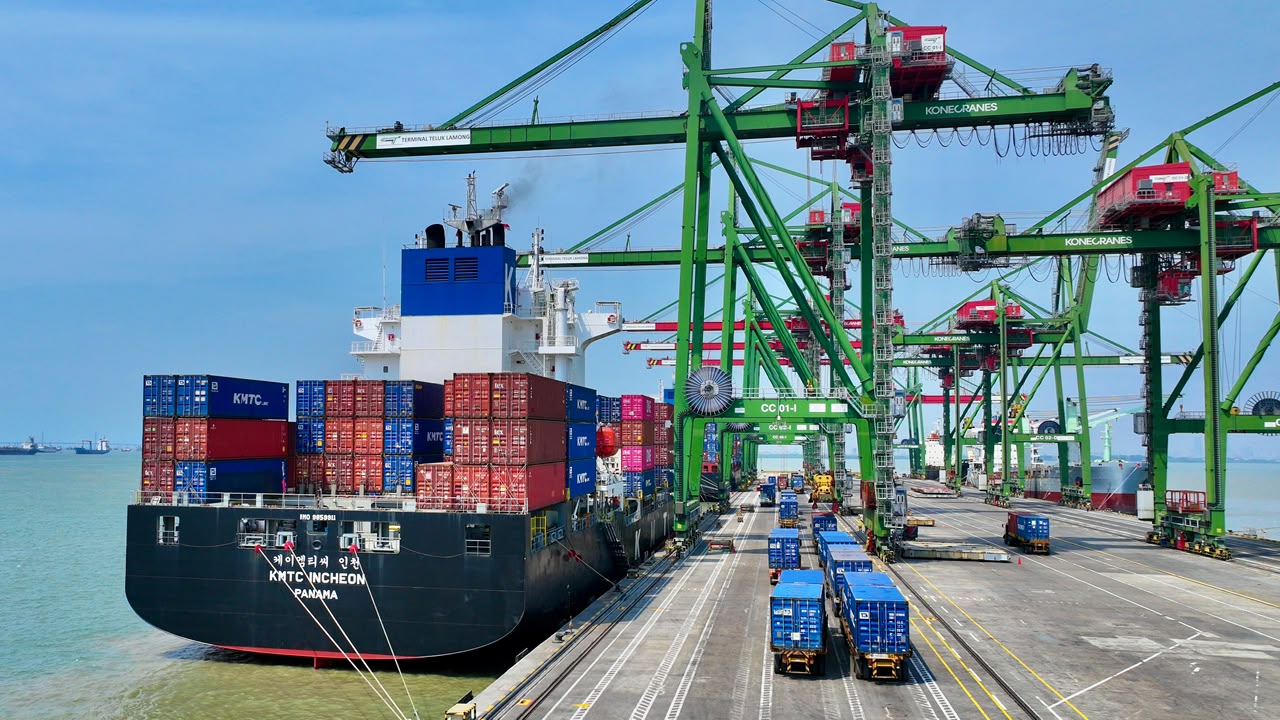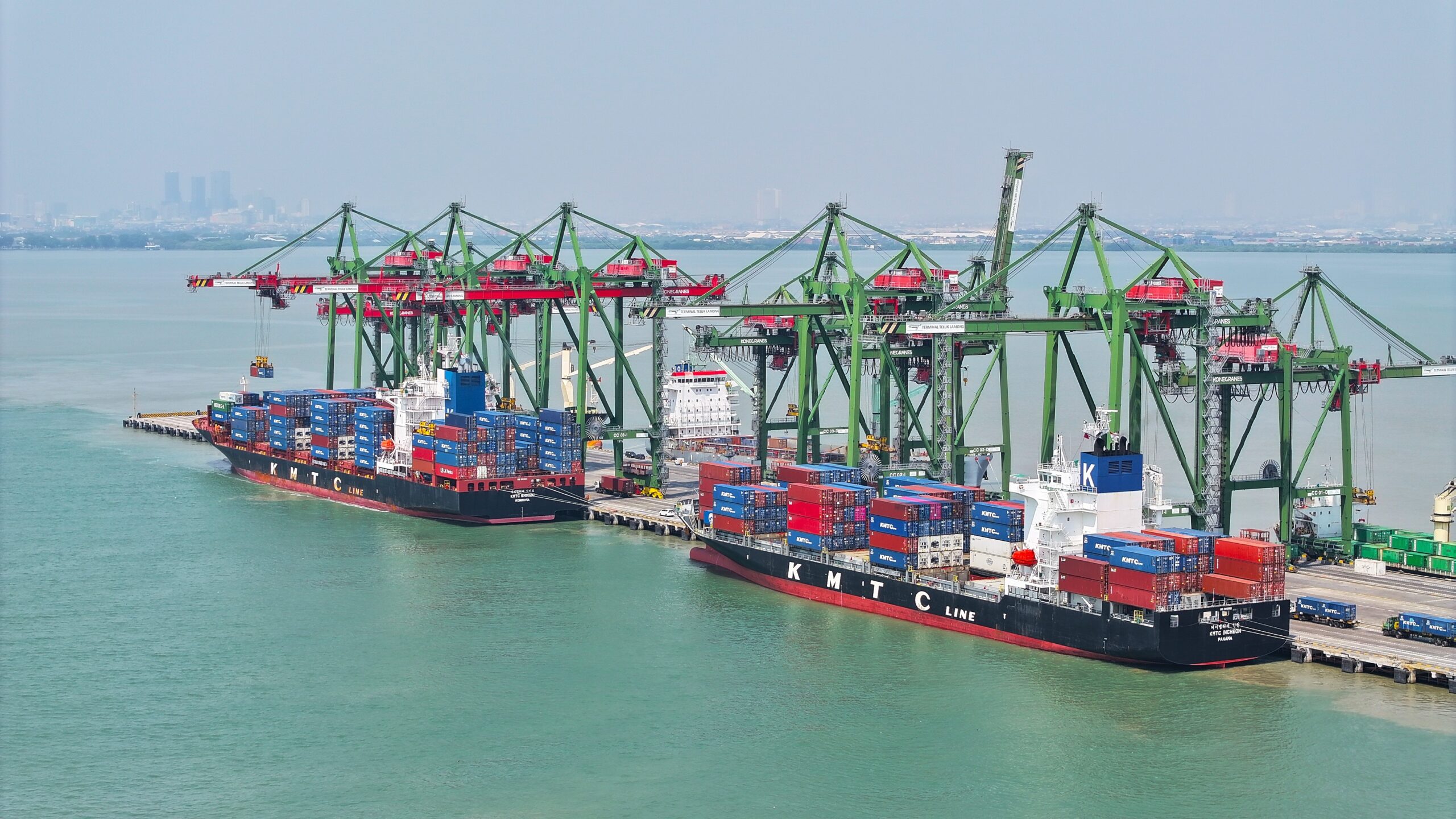

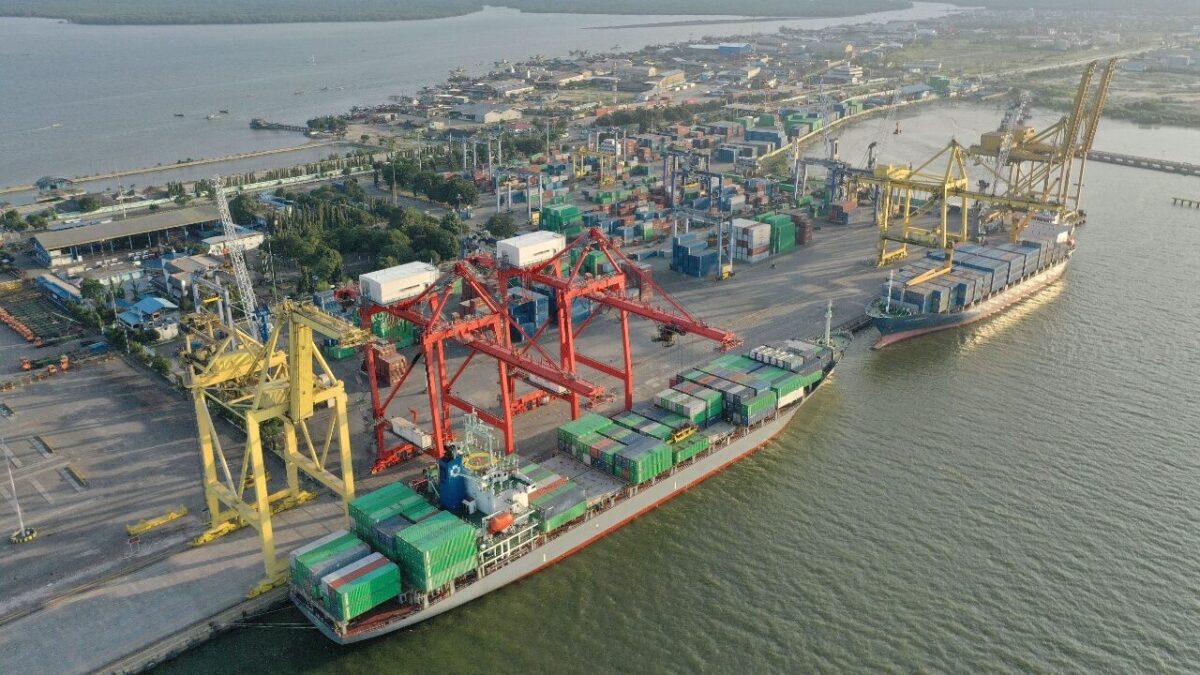
The Sub-holding Pelindo Terminal Container (SPTP) has now limited the accumulation of containers in the company’s area due to bad weather. The steps taken by a subsidiary of PT Pelabuhan Indonesia (Persero) or Pelindo are, of course, to be able to anticipate bad weather hitting the container terminal area.
Thus, all terminals are instructed not to stack containers of more than four layers. Corporate Secretary of PT Pelindo Terminal Petikemas Widyaswendra said that the restriction apparently also aims to minimize falling containers due to strong winds.
Under normal conditions, the terminal can usually stack containers up to six layers high. Limiting the stacking of containers is also said to have become a company procedure to minimize work accidents due to bad weather.
“All terminals are currently on standby considering the unpredictable weather conditions, weighty rain accompanied by strong winds. Apart from that, we also anticipate overflow of seawater (rob) entering the terminal area,” explained Widyaswendra, quoted in a press release Tuesday (January 3rd, 2023).
Not only stacking containers, the operation of container loading and unloading activities at the wharf also adjusts to the wind speed at the terminal location. For example, container loading and unloading activities at TPK New Makassar will also be stopped when wind speeds reach 20 meters (m) per second or around 40 knots.
At this time, all personnel is required to be able to leave the loading and unloading equipment immediately and ensure that the storm brakes are applied, and the equipment anchor pins are in place. Apart from anticipating heavy rains and strong winds, the SPTP here also anticipates an overflow of seawater entering the terminal area (rob).
For example, to anticipate tidal floods, the SPTP in TPK Semarang also alerts 29 water pumps if seawater enters the terminal’s operational area. Apart from alerting the pumps, TPK Semarang is also doing engineering by adding bearings to keep the containers in the lowest position, so they are safer from standing water.
“We routinely conduct emergency handling simulations, both strong winds and tidal waters, so that when this happens, all personnel are ready and know their respective duties and roles,” he explained.
Despite the port operator’s anticipatory efforts, the ship operator emphasized that extreme weather conditions since the end of last year had no impact on ship operations. The General Manager of PT Tanto Intim Line, Medan Branch, Bustanul Arifin Siregar, also stated that the unstable weather conditions did not disrupt the operations of ships heading to or leaving TPK Belawan.
According to Bustanul, ships operating at the main ports in North Sumatra have an average size of 17,000 gross tonnages (GT). Therefore, bad weather does not affect the ship’s stability at sea.
“We have three ship arrivals every week at TPK Belawan, two ships from Jakarta and one ship from Surabaya. So far, there have been no delays. Everything is still according to the predetermined docking schedule,” he said.