
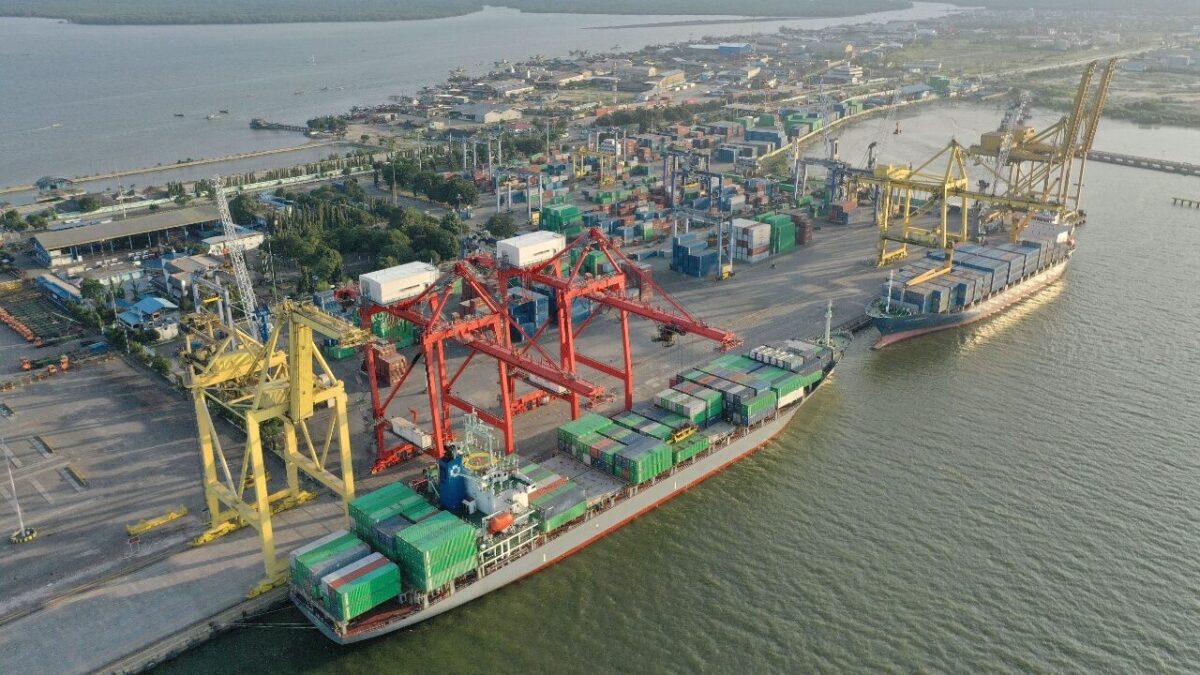
PT Pelabuhan Indonesia/Pelindo (Persero) recorded a net profit of IDR 3.9 trillion (audited) in 2022, which grew 23% compared to 2021 (YoY). Pelindo stated that this performance was one of the indicators of the outcome of the Pelindo merger in October 2021, which allows for synergy within the Pelindo Group entities through consolidation and optimization of financial, operational, commercial, and human resource capacities so that they become more robust and integrated.
“The Merger of Pelindo has created synergies between entities within the Pelindo Group so that port management can be centralized and more optimal. This, combined with solid performance, has made Pelindo successful in recording improved performance in 2022,” said Pelindo’s President Director, Arif Suhartono, in his official statement in Jakarta, Friday (12/05/2023).
This net profit value contributed to an increase in State-Owned Enterprise (SOE) profits in 2022, which reached a total of Rp. 303 trillion, an increase of more than double compared to 2021 of Rp. 126 trillion, as stated by SOE Minister Erick Thohir at the Commission VI Hearing Meeting of the Parliament on Monday ( 13/02/2023). Apart from that, Pelindo’s contribution to the state has also increased to Rp 7.2 trillion. This amount is 54% higher than in 2021, with a value of IDR 4.7 trillion.
Pelindo said the contribution was made through dividend payments, non-tax state revenue (PNBP), concessions, income tax (PPh), value-added tax (PPN), and land and building tax (PBB). Achievements in 2022 are also supported by transformation programs that have been carried out continuously since the October 2021 merger. The company’s financial performance growth is supported by operational performance, where the company has also recorded a positive trend in operating performance.
Pelindo noted that the throughput reached 17.2 million TEUs, an increase of 1% compared to the same period in 2021. Likewise, the realized flow of goods amounted to 160 million tons, growing 9% compared to the previous year.
Meanwhile, the flow of ships going in and out of ports reached 1.2 billion gross tonnages (GT) or grew 1% compared to 2021. On the other hand, passenger flows reached 15 million people, an increase of 86% compared to 2021.
Pelindo states that centralized management is one of the keys to improving operational performance.
Arif explained that this gave Pelindo better strategic control to facilitate the transformation of end-to-end operating services, such as creating a standardized port operational service system that previously varied between ports.
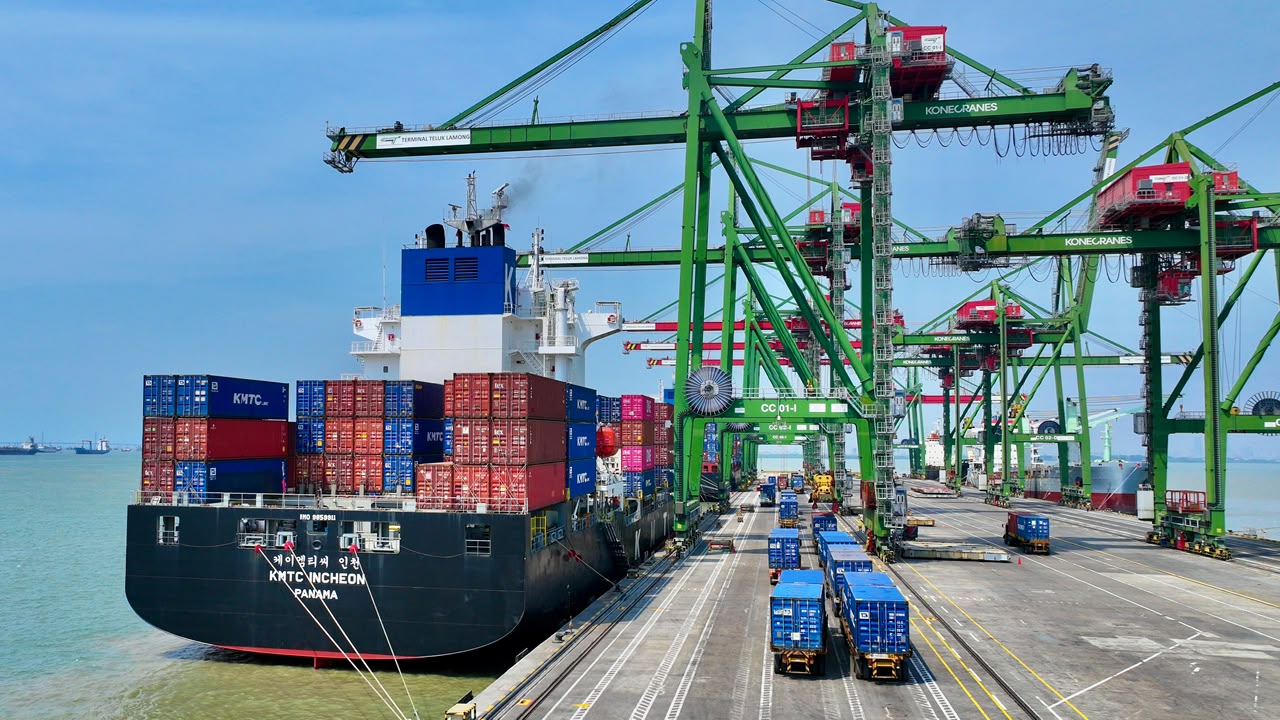
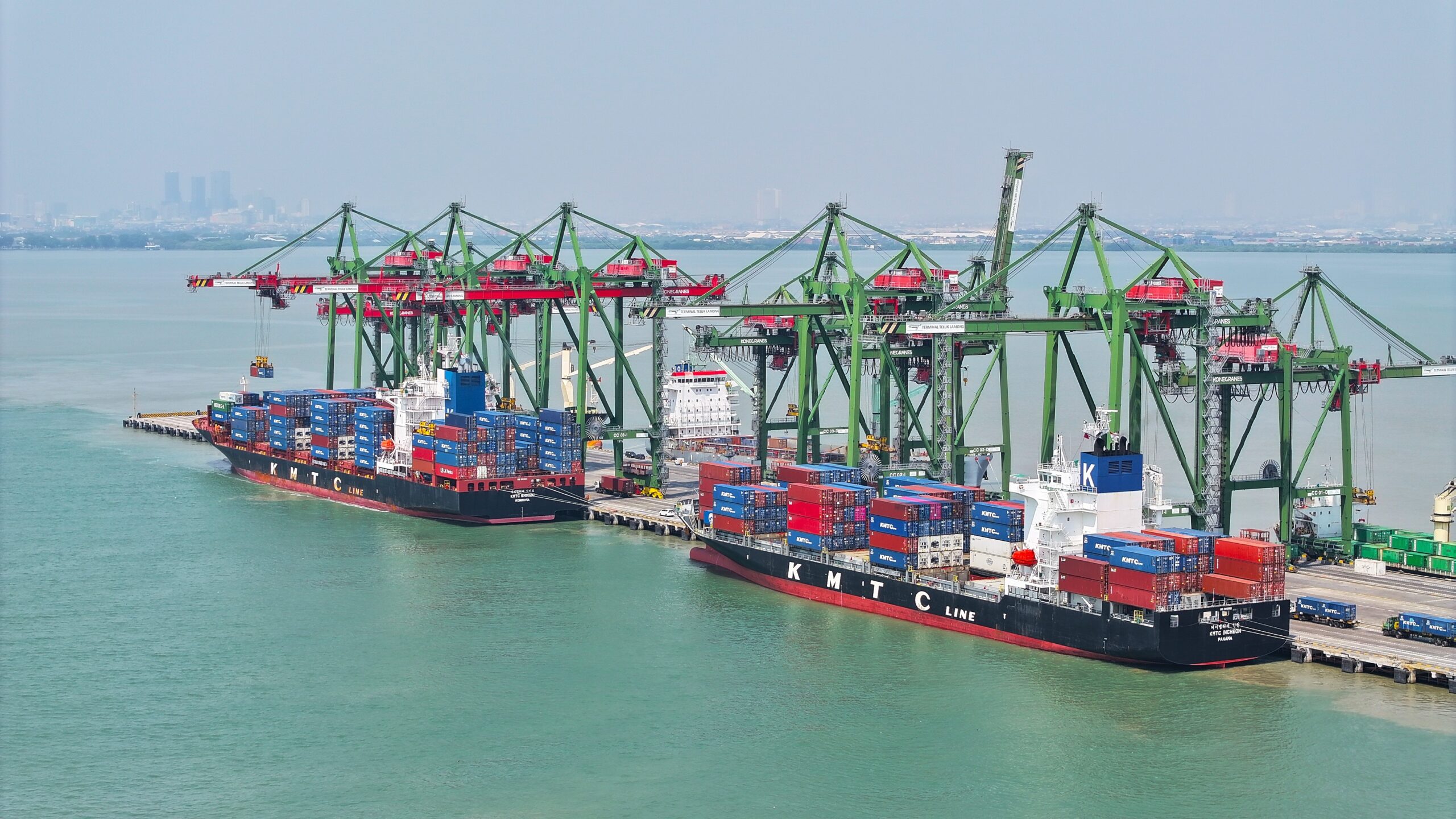
Pelindo assesses that the results of the post-merger transformation have begun to be seen from the increased performance and productivity of container loading and unloading at a number of container terminals (TPK).
Pelindo said there was an increase in loading and unloading productivity as measured by the parameter of boxes per ship per hour (BSH) and a reduction in port stay or ship docking time at the port as measured by the number of days.
“For Pelindo, the shorter the docking time and the loading and unloading time makes operational costs more efficient, and it is hoped that ship traffic will increase. For customers, shipping lines and cargo owners can also benefit from cost efficiency and greater business opportunities,” said Arif.
Pelindo gave an example at TPK Belawan and TPK Makassar. Currently, the number of loading and unloading boxes has increased from 20 boxes per ship per hour to 34-45 boxes, even reaching 60 at the optimum. The loading and unloading speed reduces the ship’s berth time to half. Improved performance also occurred at TPK Ambon and Sorong.
“All of our container terminal services in the future will have the same service standards according to each class. This will certainly facilitate control and monitoring for both us as operators and our service users,” said Arif.
Investment Potential
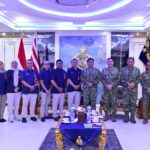
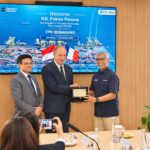
On the other hand, the Coordinating Ministry for Maritime Affairs and Investment (Kemenko Marves), together with a Kenyan delegation, visited IPC Container Terminal / IPC TPK, a subsidiary of Pelindo Container Terminal Subholding, to explore investment potential in the port sector.
“Hopefully, this visit can grow business potential, especially in the logistics and port sector. As a container terminal operator, IPC TPK will continue to support the government’s steps in strengthening bilateral cooperation with Kenya,” said IPC TPK President Director Guna Mulyana in Jakarta Friday (12/05/2023).
During the visit, upon arrival at the Port of Tanjung Priok, representatives from the Coordinating Ministry for Maritime Affairs and the Kenyan delegation started a visit to the Indonesian Maritime Museum. The delegation then held a one-on-one business meeting and listened to brief presentations and discussions regarding the profile and strategic projects of the Port of Indonesia.
The activity continued with an inspection of Tanjung Priok Port which began with a visit to the Control Tower (Integrated Planning & Control Room), which was welcomed by the directors and management of IPC TPK explaining the company profile and pattern of operations carried out at IPC TPK. The delegation then continued the activity with a field visit to New Priok Container Terminal to see first-hand loading and unloading activities.
As reported by Antara, Guna said the visit of the Kenyan delegation was one of the implementations of strengthening cooperation in developing countries (emerging economies cooperation), where Kenya will realize several collaborations with Indonesia this year.
“IPC TPK is ready to support Pelindo Holding’s steps in expanding market share and encouraging Indonesia’s economic development by ensuring field readiness and optimal operating services,” said Guna.