




Indonesia’s largest port operator is expanding infrastructure, improving connectivity and accelerating digitalization to support trade growth and strengthen national logistics competitiveness in 2027
State-owned port operator PT Pelabuhan Indonesia (Pelindo) is strengthening its integrated logistics network ahead of an expected increase in trade activity in 2027, focusing on infrastructure development, hinterland connectivity and digitalization.
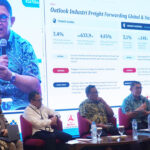
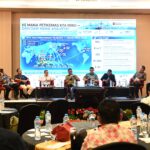
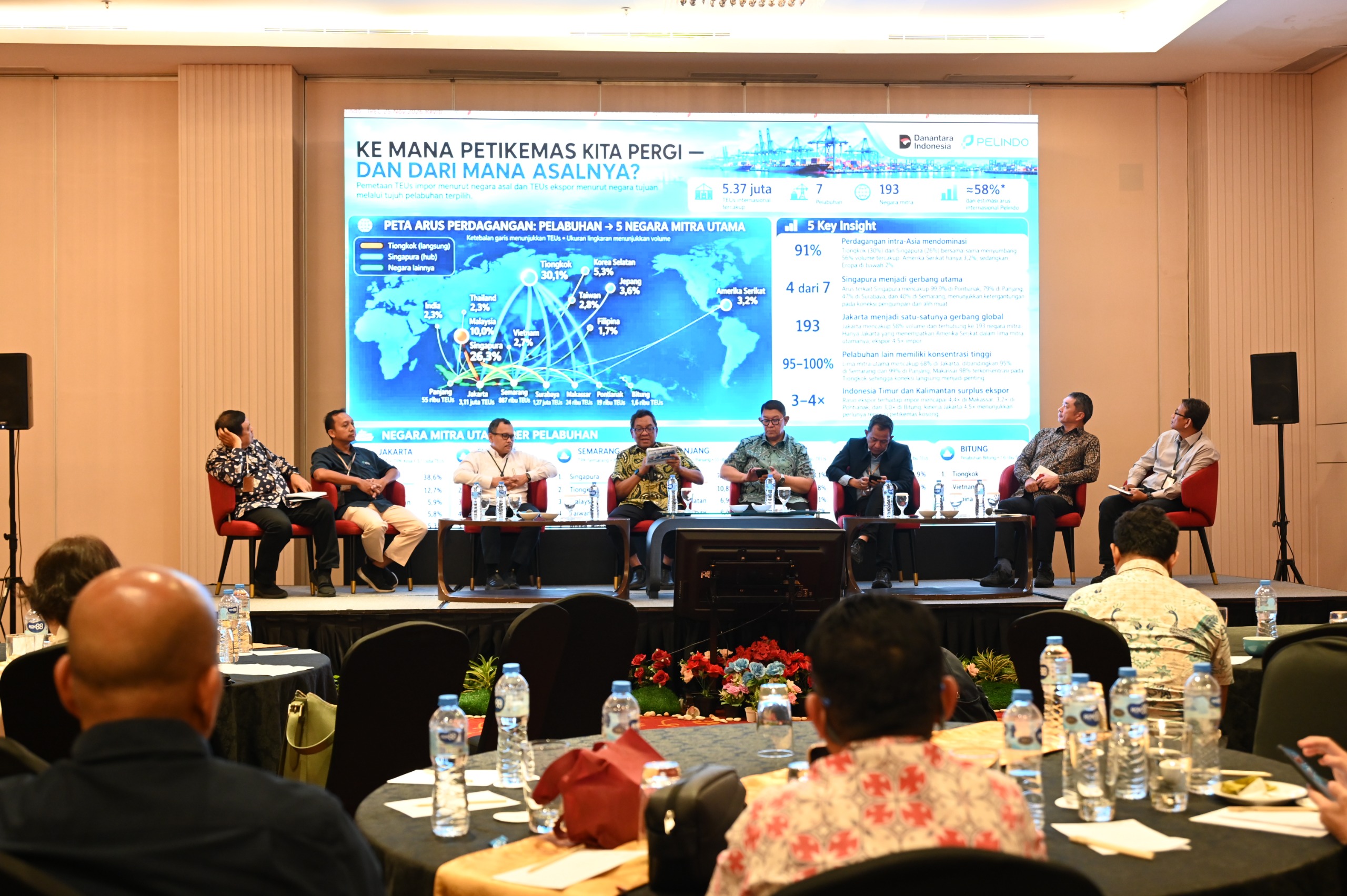
The strategy was outlined by Pelindo Director of Operations Prasetyadi at the Shipping, Port, and Logistics Business Outlook 2027 seminar in Jakarta on Wednesday, November 25, 2026.
The event, hosted by Indonesia Port Editors’ Club (IPEC) brought together government officials, port operators, shipping companies and logistics industry representatives to discuss prospects and challenges facing the sector.
Prasetyadi said Indonesia’s position as an archipelagic country provided significant opportunities to expand maritime transportation and improve domestic and international trade connectivity.
“Currently, Pelindo’s role has evolved from a mere port operator into a comprehensive service provider and an integrator of the logistics ecosystem, supporting the national economy,” he said.
Pelindo operates 122 ports across 32 provinces. In 2025, the company handled 19.8 million twenty-foot equivalent units (TEUs) of containers, up approximately 5% from 18.8 million TEUs in 2024.
To accommodate growing cargo volumes, the company is developing several strategic infrastructure projects, including Belawan New Container Terminal, Kuala Tanjung Port, Kijing Terminal, Makassar New Port, New Priok Container Terminal 2 and the New Priok Eastern Access (NPEA).
Pelindo is also expanding digital services across terminal operations, vessel services and port administration to improve operational efficiency and service reliability.
Meanwhile, Director General of Foreign Trade at the Trade Ministry Tommy Andana said the government was working to improve supply chain efficiency through deregulation, digitalization and greater integration of trade systems, with the aim of expanding Indonesia’s export markets by 2027.
“The shipping, port and logistics sectors play a strategic role in supporting national trade, given that more than 80% of global cargo flow is transported by sea,” Tommy said.
Yukki Nugrahawan Hanafi, vice president of the International Federation of Freight Forwarders Associations (FIATA), said cooperation between the government and businesses was essential to developing an integrated national logistics network amid changing global supply chains.
He identified digitalization as a key factor in improving the competitiveness of Indonesia’s logistics industry, while highlighting infrastructure constraints, imbalances in cargo flows and limited connectivity between transportation modes as challenges requiring coordinated action.
Keishin Watanabe, President Director of Ocean Network Express (ONE), said the shipping company’s container volumes to and from Indonesia increased by approximately 7% in 2026.
He expected the growth to continue in 2027, reflecting the potential for further expansion in Indonesia’s shipping and logistics markets.
Responding to the outlook, Prasetyadi said Pelindo would continue strengthening cooperation with government agencies, shipping lines and other industry stakeholders to improve integrated port services.
“Logistics efficiency is determined not only by performance within the port, but also by the connectivity of the entire supply chain,” he said.
He added that stronger collaboration across the logistics sector would support trade growth and improve Indonesia’s competitiveness in international markets.