

In a strategic move to capitalize on Southeast Asia’s rapid growth as a global production and consumption powerhouse, Maersk, the Danish shipping giant, has unveiled plans for a more than half-a-billion-dollar investment spanning three years. This substantial investment aligns with Maersk’s global integrator strategy, focusing on providing comprehensive logistics solutions despite the current financial challenges facing the company.
Vincent Clerc, CEO of A.P. Møller–Maersk, emphasized the significance of Southeast Asia as the fastest-growing area in the Asia Pacific, attributing this growth to factors such as the e-commerce boom, government initiatives in global manufacturing diversification, and increasing inter-regional trade. Clerc stated, “Our investment reflects the commitment to being the global logistics integrator.”
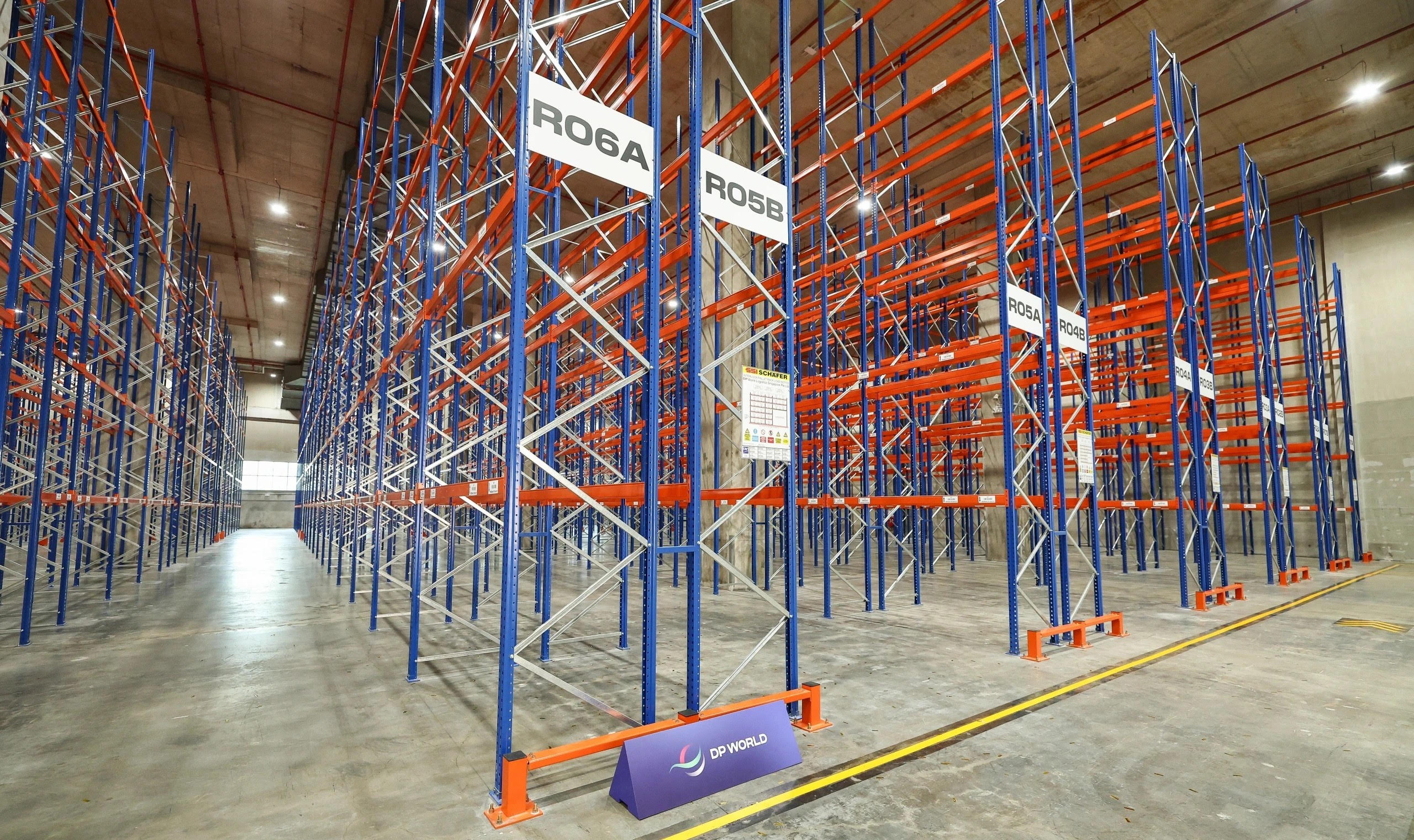
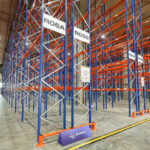
The investment will encompass various facets of Maersk’s operations in Southeast Asia, including logistics and services, ocean shipping, and terminal operations. Key highlights of the investment plan include scaling warehousing and distribution capacity by up to 50%, targeting Malaysia, Indonesia, Singapore, and the Philippines. By 2026, Maersk aims to add nearly 480,000 square meters of capacity, strategically positioning mega distribution centers.

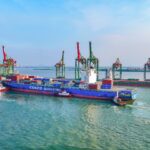
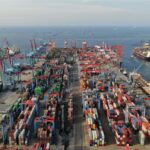
Notable investments will be made at the Port of Tanjung Pelepas in Malaysia, set to become a vital integrated logistics hub, and in expanding landside warehouse capacity at Singapore’s Changi Airport to strengthen Maersk’s regional air freight capabilities.
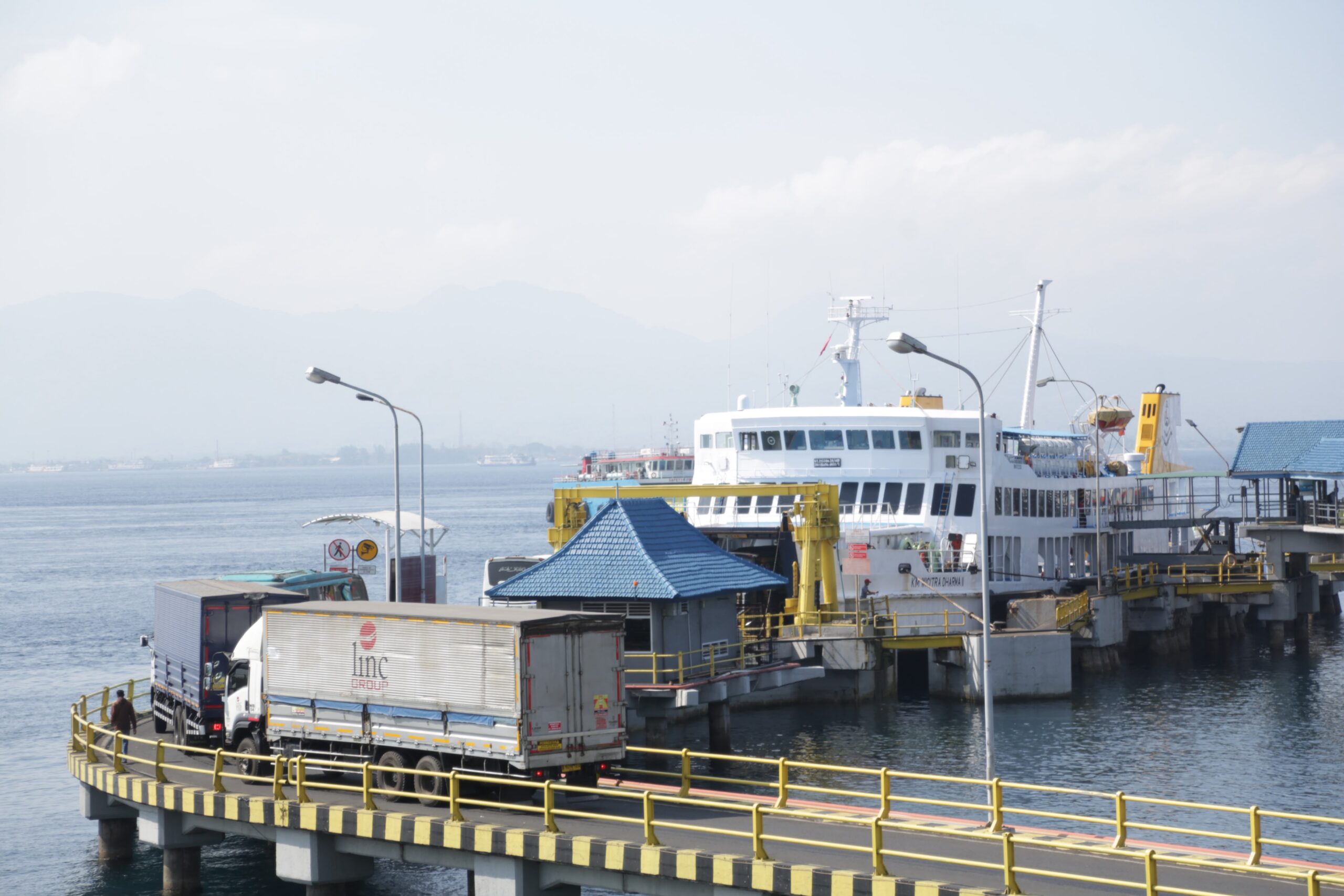
Maersk’s commitment to sustainability is evident in its plans to significantly increase haulage truck capacity in Southeast Asia, introducing biodiesel-based haulage trucks and piloting electric vehicles (EVs) by 2024. The company aims to create job opportunities for local talents while embracing automation efficiencies.
The investment extends beyond infrastructure development, as Maersk collaborates with regional authorities to explore opportunities in building green fuel infrastructure, supporting the company’s future green vessel fleet.
Despite reporting a nearly 50% decline in quarterly revenues and implementing cost-cutting measures, Maersk remains steadfast in executing its long-term strategy. The investment underscores Maersk’s determination to address the evolving needs of customers in the face of challenging times, demonstrating a forward-looking approach to becoming the global leader in logistics integration.