

Tanjung Pandan Port – a Pelindo’s Region II Ports – expects to soon adopt the auto collection in the port billing system, replacing the existing CMS (Cash Management System). In addition, the port also plans to run a dedicated berth system. Thus both can help to improve performance, build port efficiency, and improve service to port users.
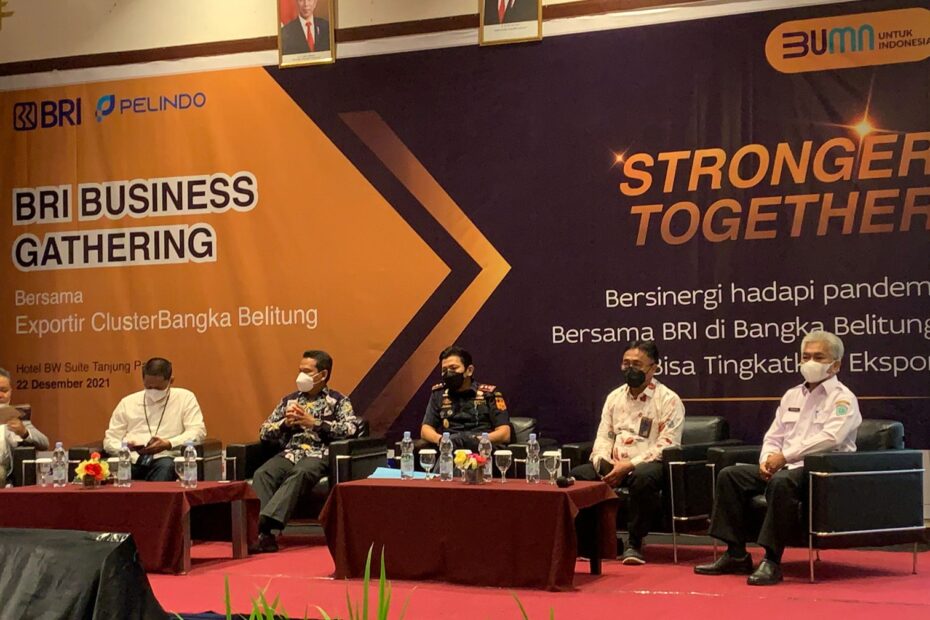
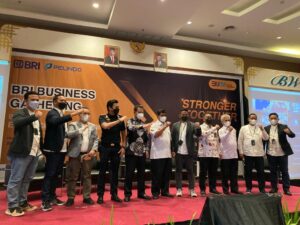
But, before the two systems were on stage, the port management was intensively socializing them to port users. General Manager of PT Pelabuhan Indonesia (Persero) Regional 2 Tanjung Pandan, Hambar Wiyadi, said it at the Bank BRI Business Gathering with Exporters Cluster of Bangka Belitung, at the BW Suite Hotel, December 22, 2021.
Hambar explained that the auto collection payment is a billing system to simplify the port service payment. Currently, he noted, the payment system at Tanjung Pandan Port uses a CMS (Cash Management System) system. This CMS forces service users to have a designated bank deposit to cover estimates of the costs incurred by service users for payment for port services.
This auto collection system will help it be more efficient as debiting is carried out based on costs for port service activities that service users will carry out. The customer only maintains an adequate balance for the port service activities that will be carried out.
In addition to this auto collection, the port also plans to adopt a dedicated berth system by clustering the berth to container berth, multipurpose berth, liquid bulk (fuel) berth, and passenger berth.
Several steps have been carried out to realize this plan (dedicated berth), including terminal re-layout, installment of temporary marking, signed traffic, implementation of gate system both at Lane 1 and 2, HSSE sign, improvement of ICT, CCTV, and facilities handheld. The port will soon complete all facilities supported by handling equipment at terminals according to the cargoes they will handle.
Hambar said that this system transformation is expected to increase performance/productivity and port performance which will ultimately reduce logistics costs and encourage export competitiveness from Belitung.