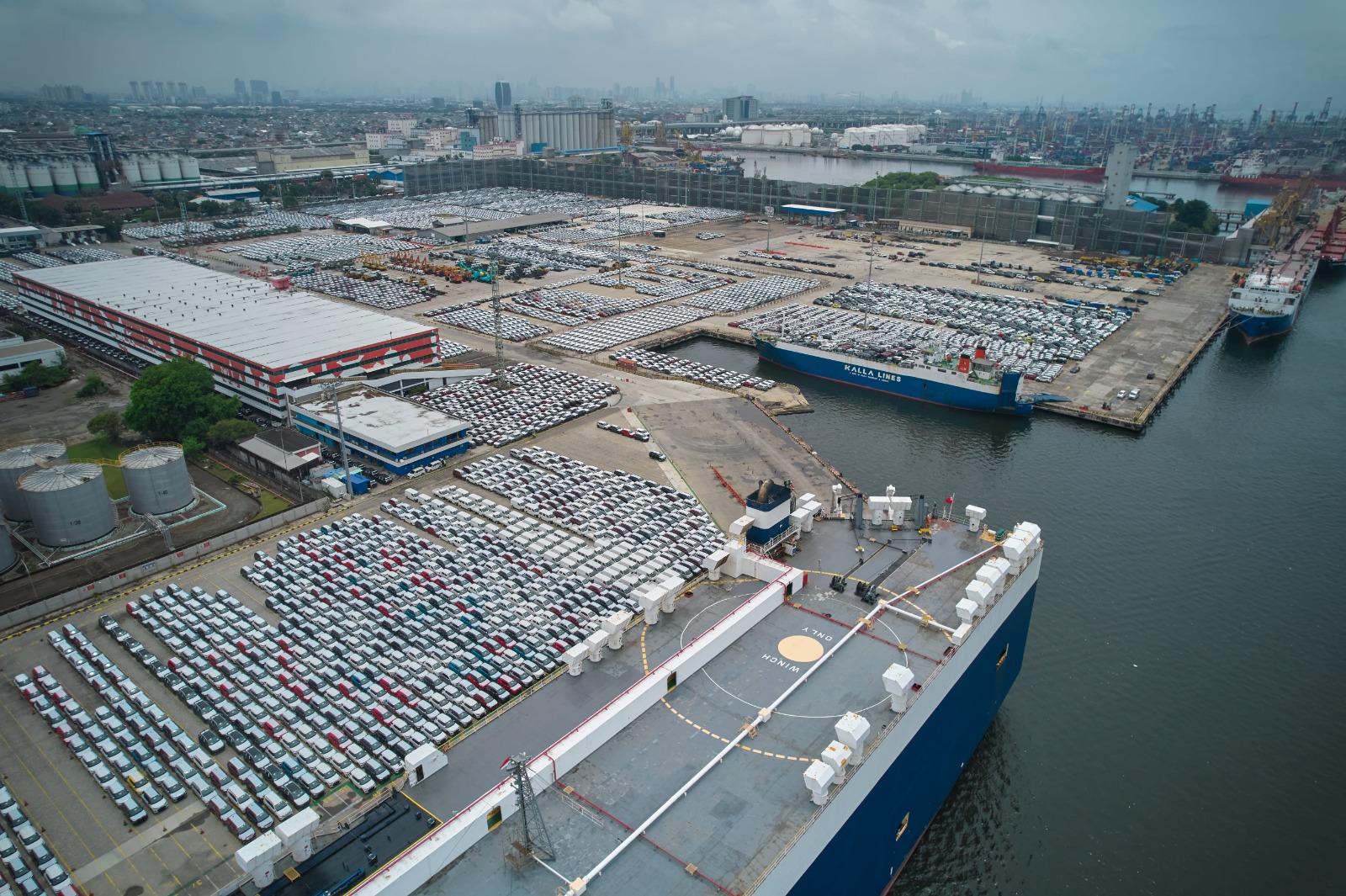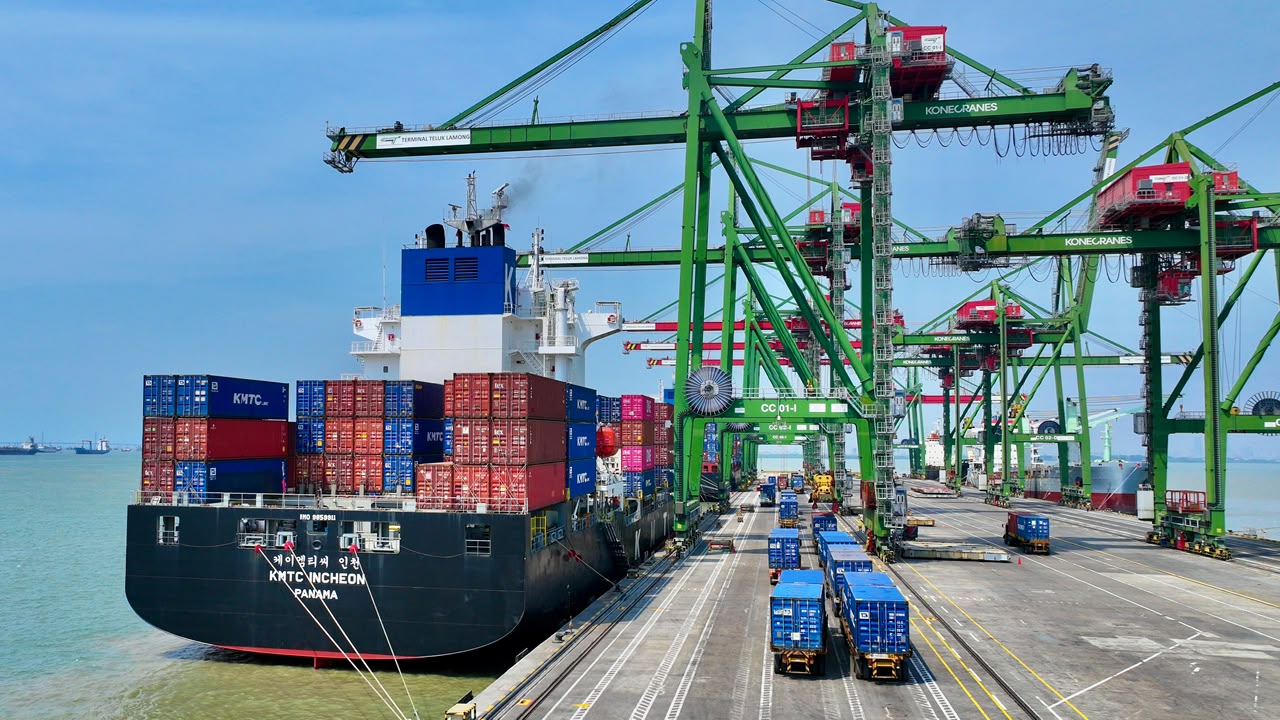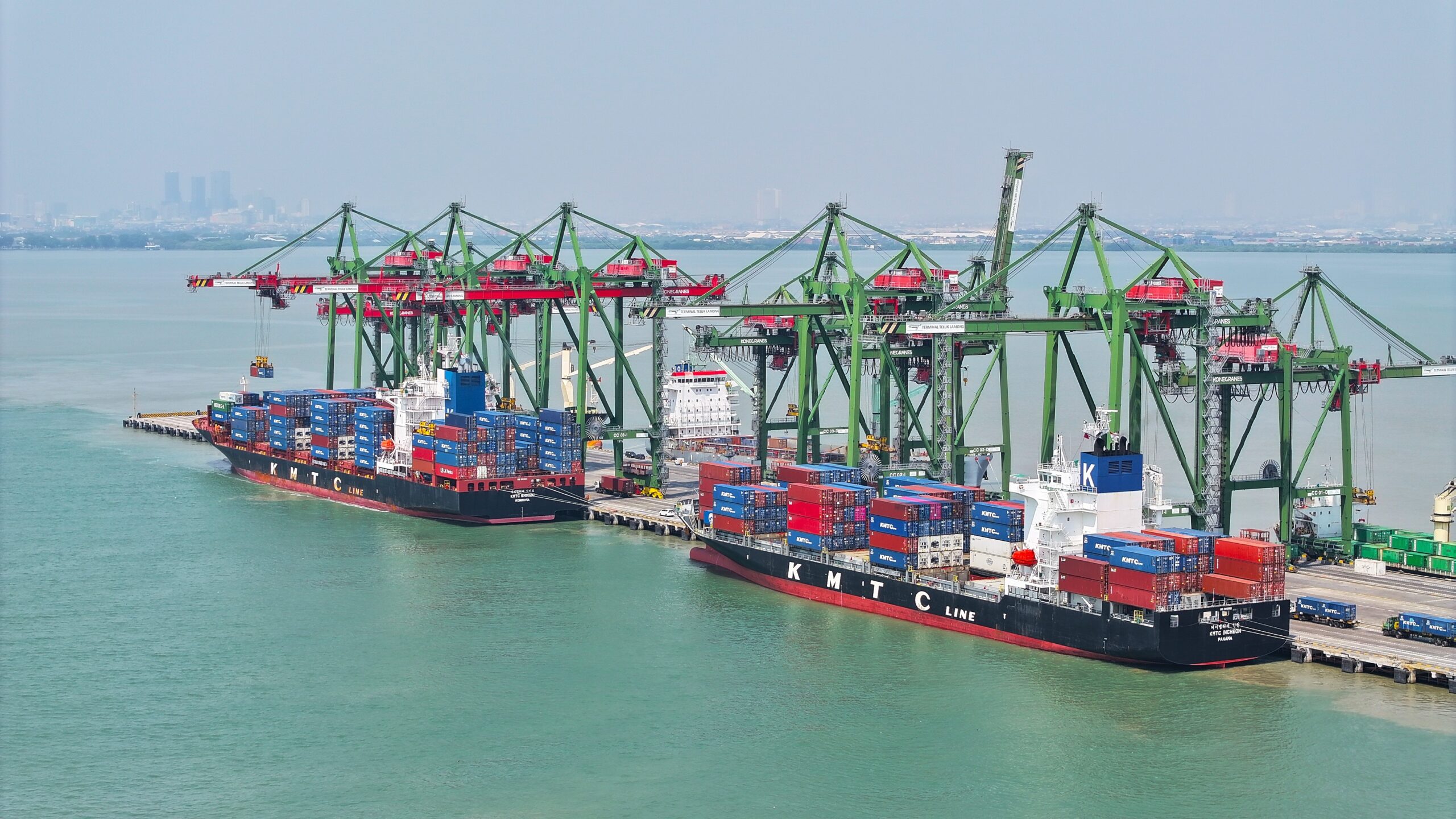

After rebranding to become ‘terminal nonpetikemas’ (non-container terminal) for a more focused business, PTP continues to transform in many aspects. What, why, and how does PTP manage these changes?
Regarding the merger that was conducted in October last year, Pelindo has determined a new business model with a focus on four clusters: Containers, Non-Containers, Marine Services, and Logistics.
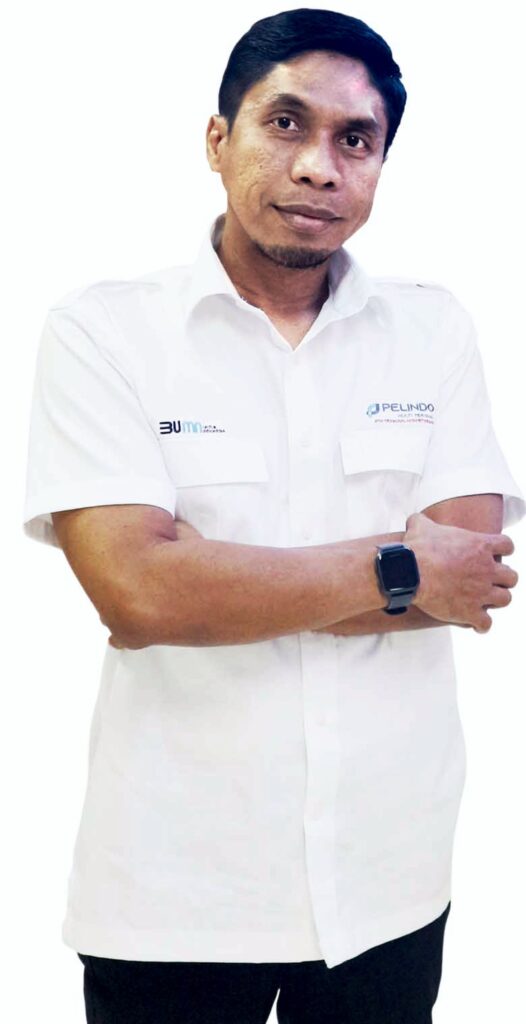
As a subsidiary of Pelindo (sub-holding Pelindo Multi Terminal/SPMT), PTP has just changed its business name to PTP Nonpetikemas from the previous PTP Multipurpose.
“This company has clarified our identity and encouraged us to focus more on our core business as a non-container terminal operator,” said Rino Wisnu Putro, president director of PTP Nonpetikemas, in a recent discussion with the Indonesia Shipping Gazette.
Along with the rebranding that gave a new spirit, PTP continued the transformation in many aspects of its business, including operations, facilities and equipment, information and technology (systems), and human resources (HR), which were conducted in stages.
Why does PTP Need to Transform?
“This is in line with the existence of a new business model within Pelindo regarding the division of roles. One of these roles is the Port operator business, and PTP is included in this cluster,” said Rino.
Second, this transformation is also due to changes in doing business. These rules include regulations (government regulations), business competition, and customer demands. “We must adapt to keep up with the changes,” Rino replied.
“In a more important case, the cause of this change is in the context of PTP meeting the demands of its service users. So, we need to be more competitive to meet customer requirements, focusing on faster and more precise service, resulting in overall cost efficiency.” Rino continued.
“Advances in implementing information and technology are also a driving factor for the importance of our continuous business transformation,” said Rino.
Operation: Marching, Planning & Control
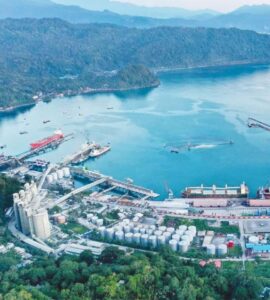
To support and meet the expectations of these service users, the transformation of operations is becoming a stage that is currently being consistently carried out.
“For example, in the liquid terminal, we will remap the terminal dedicated to CPO (Palm Oil) and biofuels. Because these cargoes require special handling,” explained Rino.
The provision of a terminal dedicated to this cargo requires a further transformation in other aspects, such as operating patterns, facilities, equipment, and human resources.
Implementing the transformation of PTP operations adopts a planning and control-based operating model as container terminals have successfully used. Our operations start from berth allocation, loading and unloading planning, warehouse/ field planning, and equipment planning, as well as human resources and security.
Facilities, Equipment, and HSSE: O&M (Operation and Maintenance)
In line with the new business model, PTP is now implementing O&M (operation and maintenance) principles to ensure all facilities and equipment are well maintained.
In collaboration with SPMT sub holdings or other sister companies, PTP will upgrade all facilities and equipment in all its terminals. For example, the road inside its terminal will be revitalized, including installing more CCTV in its terminal for safety in support of port operations.
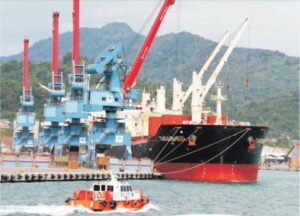
PTP must optimize its assets. “We have moved several equipments from one port to another to optimize assets and services. This is to ensure all equipment operates reliably,” added Rino.
Transformation of facilities and equipment was also conducted to suit cargo needs. For example, installing new equipment (pipeline system) to manage biodiesel cargo at Teluk Bayur port is still ongoing. “Hopefully, soon, it will be ready,” said Rino.
Going Digital
For PTP, transformation in IT (Information Technology) means not only digitizing. According to Rino, there are two targets: convenience for customers and improving the quality of operations. “For example, at Tanjung Priok port, we have adopted an auto-collection system of goods that can help customers easily in the payment process,” he explained.
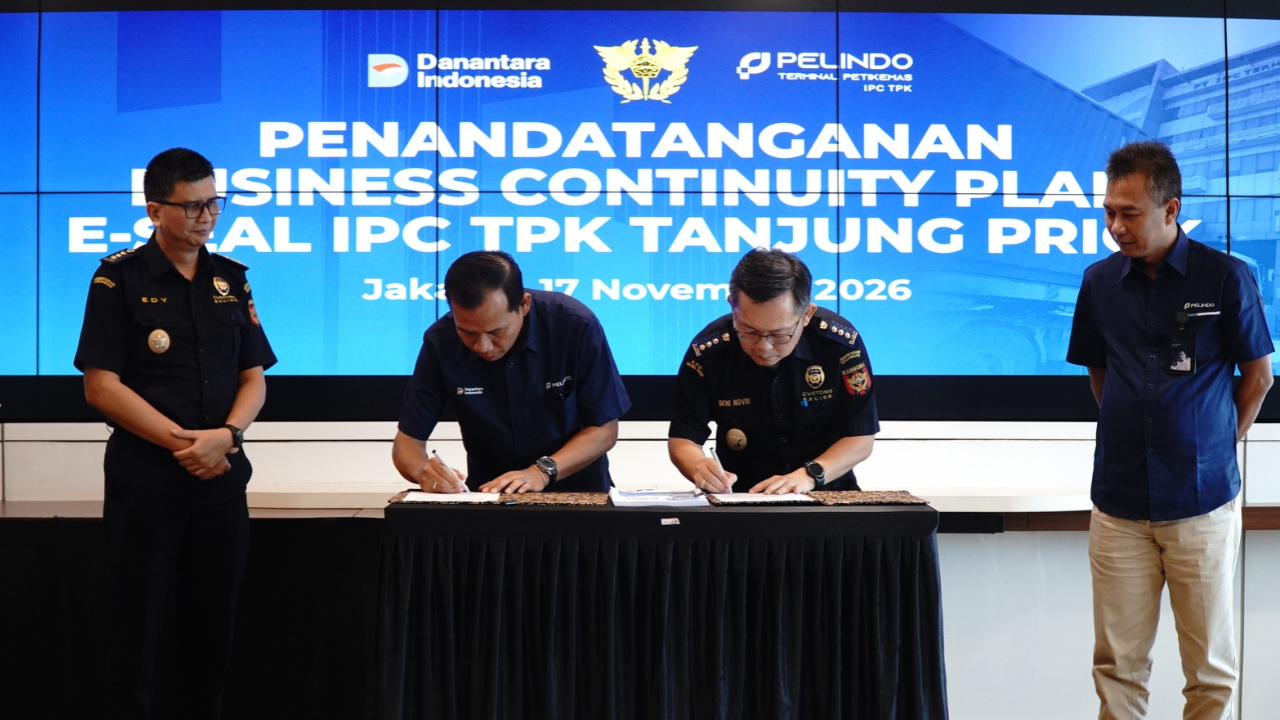
The implementation of supporting system operations that have conducted digital transformation in PTP’s work areas include Tanjung Priok Port, Cirebon, Banten, Panjang, Bengkulu, Jambi, and Teluk Bayur. An example is the Auto Gate System, where PTP cooperates with customs, conducted at Tanjung Priok Port. Even STID (Single Truck Identity) has been implemented in Port Tanjung Priok, Banten, and Panjang and will be continued in all branches.
The PTP system is also integrated with the Customs Office system, namely CEISA (Customs Automation and Information System). “So, the process related to customs and excise documents is faster because they are not checked manually (conventionally).”
Increasingly Specialized Human Resources
The basis of all this transformation is human resources. According to Rino, this is to make the workers human resource specialists, covering three aspects: knowledge, skills, and certification.
Human resource transformation must support operations, facilities and equipment, IT, and commercial transformations. “Among all aspects of transformation, I can say that the transformation of human resources is the most basic,” Rino said.
Therefore, PTP human resource knowledge, skills, and certificates must be conducted. For example, since PTP was transformed into a special terminal operator, a CPO terminal, we ensure that our human resources (workers) must have knowledge, skills, and certificates in handling CPO specialties.
To fulfill the desire to have quality human resources, having these qualifications (knowledge, skills, and certificates) can be achieved through education and training and must be continuously improved. “Our human resources must be ready for all changes in this business,” said Rino.
This article was published in ISG Print Magazine August 2022 Edition.