



Pelindo launches onshore power supply (OPS) at Tanjung Priok, allowing docked ships to switch off auxiliary engines, cut emissions and fuel use while supporting cleaner, more efficient port operations Indonesia’s maritime sector
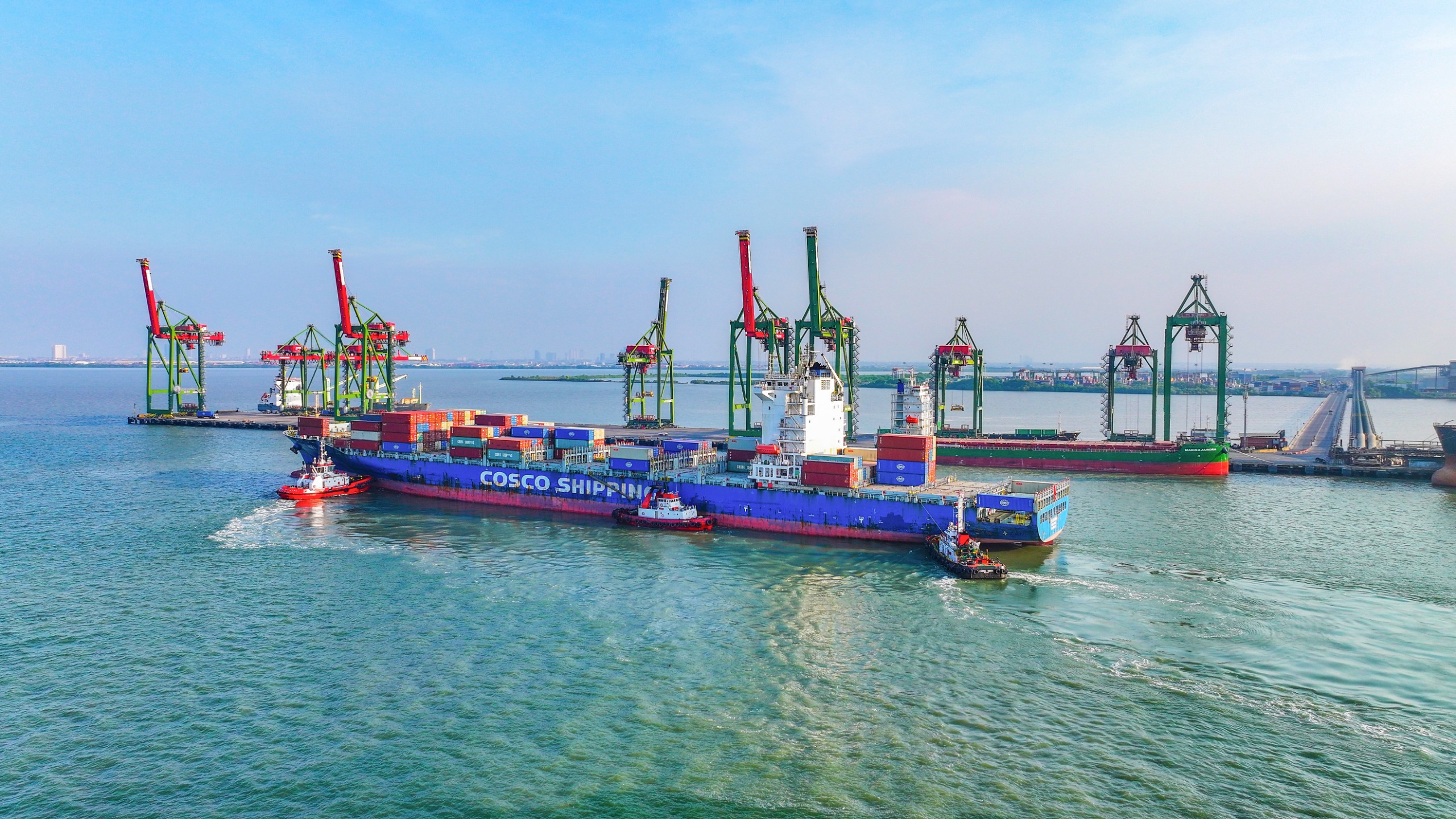
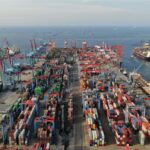
Ships docking at Indonesia’s Tanjung Priok port can now switch off their auxiliary engines and draw electricity from the shore, as state-owned port operator PT Pelabuhan Indonesia (Pelindo) steps up efforts to cut emissions at the country’s busiest gateway.
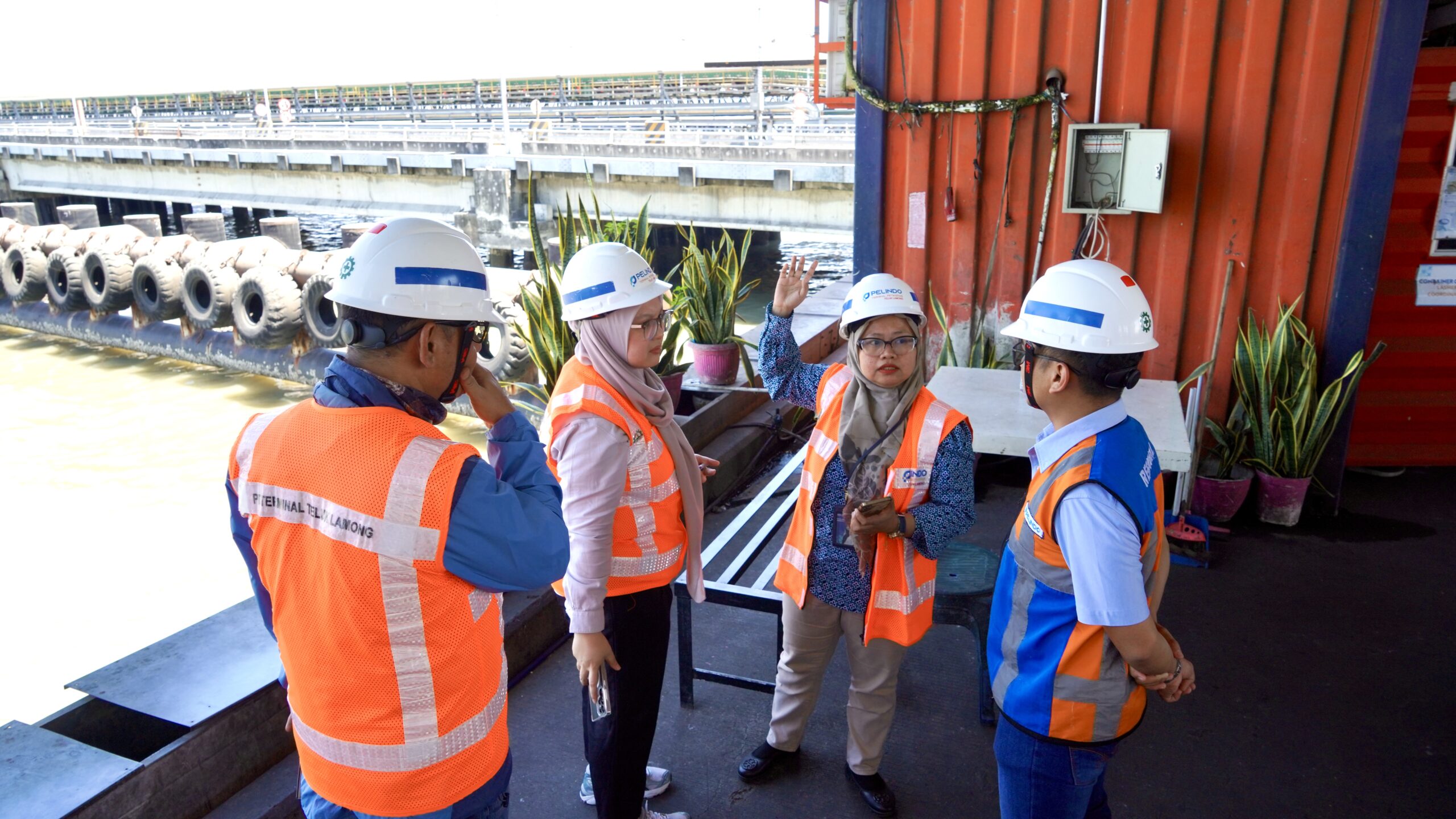
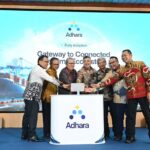
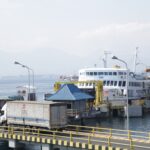
Pelindo launched its first Onshore Power Supply (OPS) service at the Nusantara Multipurpose Berth, Terminal PNP Berth 004, on Wednesday (September 16), installing a 500 kilovolt-ampere facility that allows docked vessels to meet their electricity needs from the port grid.
The system is designed to replace onboard generators while ships are at berth, potentially reducing fuel use, engine running hours, exhaust emissions, noise and vibration.
“We are confident that the implementation of OPS at Tanjung Priok Port can serve as a best practice and a key component in transforming Indonesian ports into facilities that are greener, more efficient, competitive, and sustainable,” said Capt. Heru Susanto, head of the Tanjung Priok Harbormaster and Port Authority (KSOP).
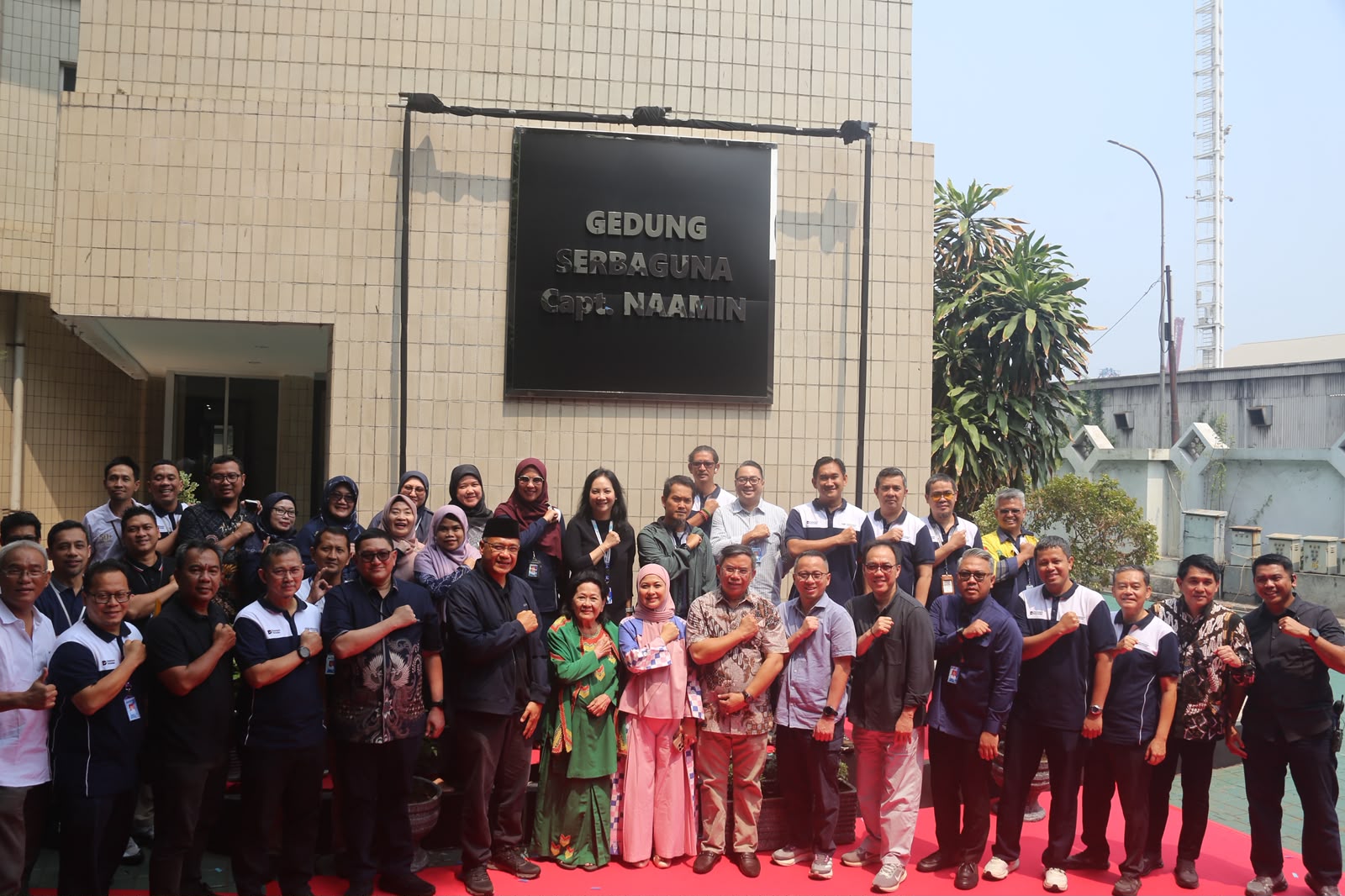
The launch was attended by officials from Indonesia’s transportation and energy ministries, the KSOP, port police, the Indonesian National Shipowners’ Association (INSA), state electricity PT PLN and Pelindo Group.
For Pelindo, the project is part of a broader effort to turn Tanjung Priok into what it calls a “green port” while preparing for tighter environmental expectations across the global maritime industry.
“OPS is about more than just switching a ship’s power source from onboard generators to shore-based electricity,” Pelindo President Director Achmad Muchtasyar said.
“It represents a concrete step in Tanjung Priok Port’s transformation into a ‘green port’ by providing energy that is more efficient, cleaner, and more reliable.”
Cutting emissions at berth
Under the shore-to-ship system, vessels connect to the port’s electrical network after docking. Shore power can then supply so-called hotel loads, refrigerated containers, pumps and other onboard electrical equipment, allowing auxiliary engines to be shut down.
Pelindo said tests indicated that OPS could cut ship exhaust emissions by as much as 75%, while emissions of nitrogen oxides, sulfur oxides and particulate matter from ship funnels could be eliminated while vessels are fully reliant on shore power.
Two test vessels also recorded potential energy-cost savings of about 40% to 64% compared with onboard generators, depending on engine type and fuel.
The company said the reduction in auxiliary-engine operating hours could also reduce maintenance needs and extend overhaul intervals.
The figures are based on Pelindo’s tests and estimates, rather than an assessment of the system across the wider port or fleet.
PLN, Indonesia’s state electricity utility, is supporting the project by supplying electricity to the port.
“PLN is ready to support the transformation of the port sector by providing a reliable electricity supply for docked ships,” PLN President Director Darmawan Prasodjo said, adding that the collaboration was intended to reduce emissions while helping maritime businesses lower costs and improve port operations.
From pilot to wider rollout
Pelindo has appointed PT Energi Pelabuhan Indonesia (EPI), a Pelindo Group company, to operate the OPS service and manage the port’s internal electricity distribution network.
The Berth 004 facility has completed a Site Acceptance Test and was tested on a commercial vessel in July, EPI President Director Andriyuda Siahaan said.
“As the operator, PT EPI ensures the reliability of the power supply and the technical readiness of the service at the berth,” Andriyuda said.
The company plans to expand the service beyond the initial berth in phases, with capacity tailored to the electricity requirements of different vessels and terminals.
Pelindo’s development roadmap targets 24 OPS units at Tanjung Priok by 2027. It also plans to replicate the model at multipurpose terminals, general-purpose berths and other ports, with an indicative national target of 123 OPS units by 2050.
Tanjung Priok, which handles a large share of Indonesia’s maritime trade, is therefore being positioned as a starting point for a wider shift in how ships use energy while in port.
“We aim to use Tanjung Priok as a foundation to expand energy transition solutions to other terminals and ports across Indonesia,” Achmad said. “Future ports must be increasingly productive and efficient while achieving growth that prioritizes environmental sustainability.”