






The car terminal operator reported revenue of 645.48 billion rupiah and maintained a net profit margin of 27.45%, despite geopolitical tensions and uncertainty surrounding global trade and tariff policies
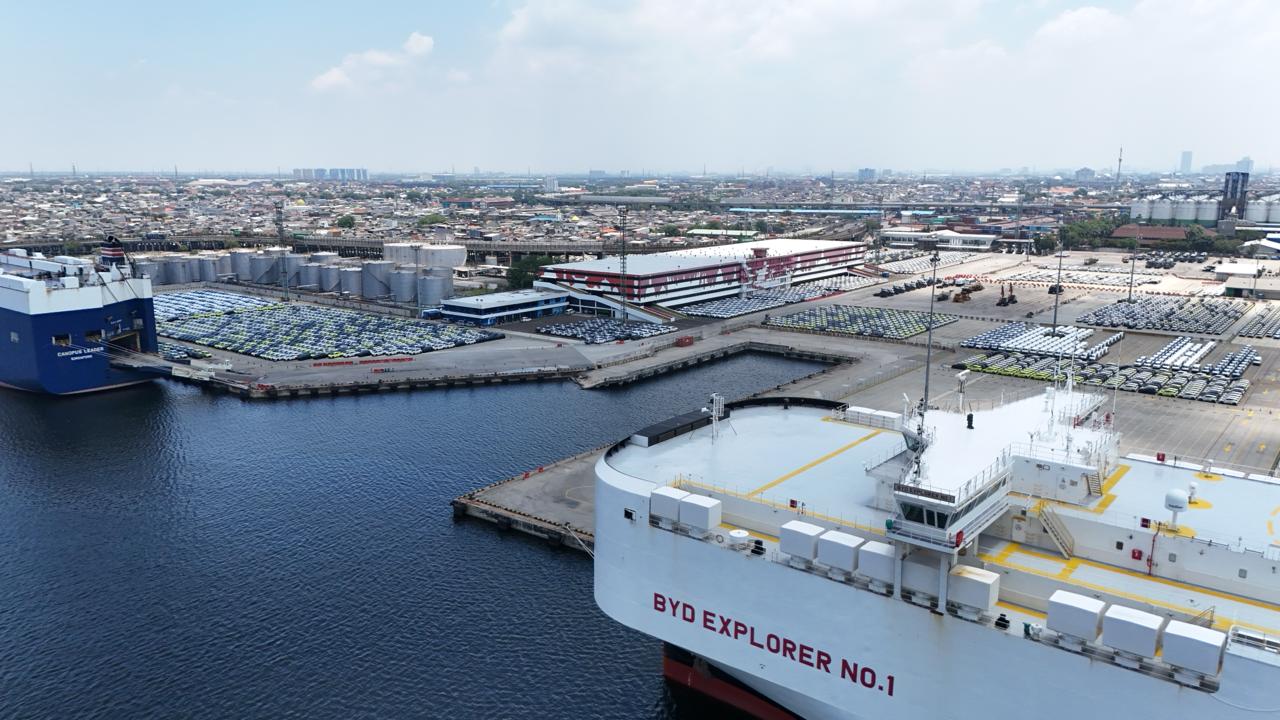
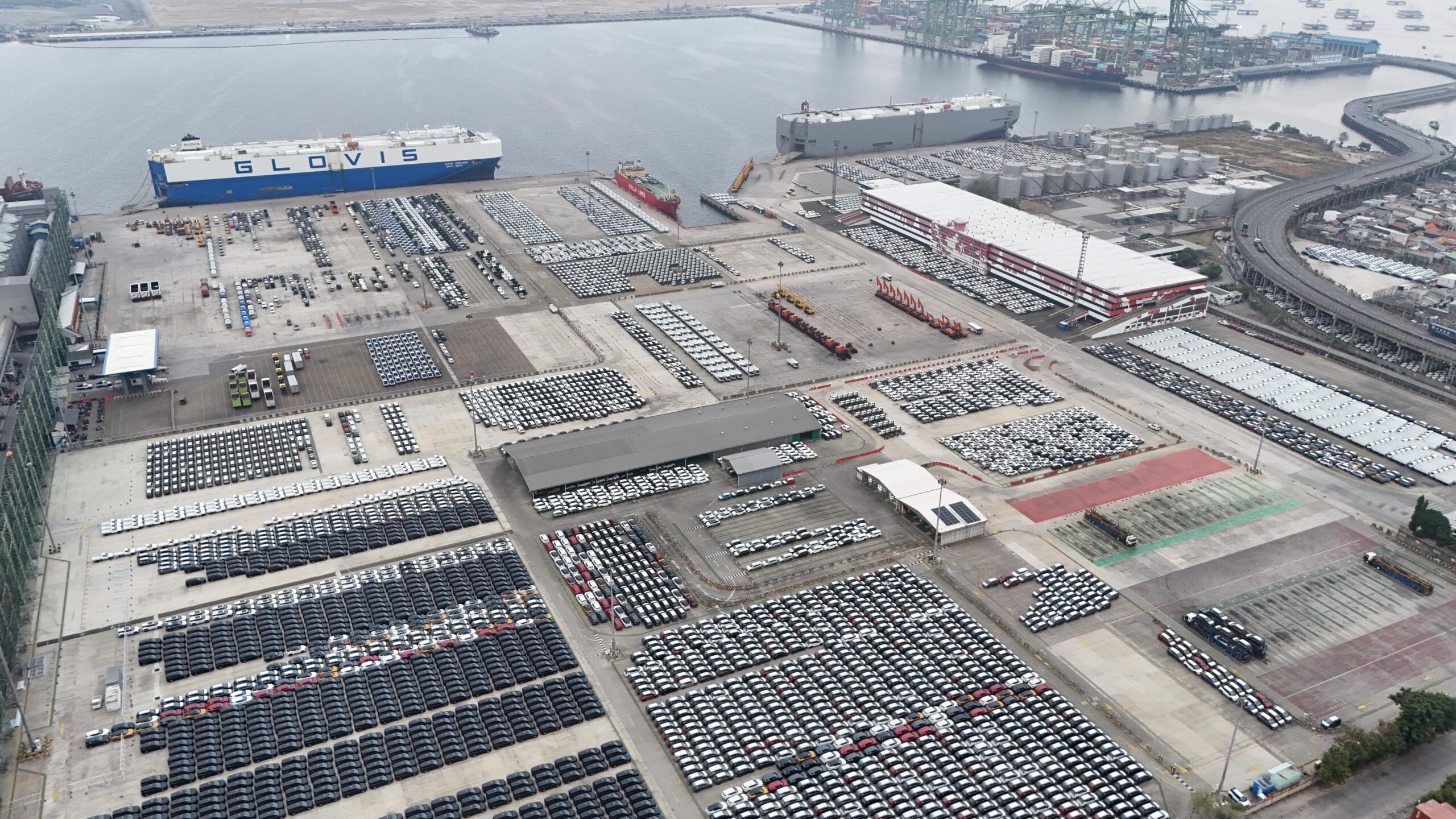
PT Indonesia Kendaraan Terminal (IPCC), a subsidiary of state-owned port operator Pelindo, recorded a net profit of 177.18 billion rupiah ($10.6 million) in the first nine months of 2026, supported by growth in cargo traffic.
Consolidated cargo throughput rose 19.57% year-on-year to 1,373,926 units through September, according to the company’s interim financial statements. However, operating revenue fell 2.24% to 645.48 billion rupiah, while operating profit declined 5.85% to 205.64 billion rupiah. Net profit decreased 6.89% from the same period a year earlier.
IPCC maintained a net profit margin of 27.45% despite challenges from geopolitical tensions and uncertainty surrounding global trade and tariffs, the company said.
The increase in cargo volume was driven mainly by domestic services and contributions from its satellite terminal network, highlighting opportunities in Indonesia’s domestic vehicle logistics market.
The company is pursuing an “Integrated Auto Solutions” strategy to expand integrated vehicle logistics, develop value-added services and improve operational efficiency. It is also reviewing its service mix and revenue streams to increase returns from cargo handling activities.
IPCC is exploring the development of additional satellite terminals at strategic locations to expand its service network and improve domestic vehicle distribution connectivity, it said.
President Director Wing Megantoro said the growth in cargo traffic reflected the potential of Indonesia’s domestic market and provided opportunities to expand the company’s network and services.
“We will continue to strengthen our integrated services, develop value-added offerings, and pursue the expansion of our Satellite Terminal network,” Megantoro said. The company aims to ensure that higher cargo volumes translate into stronger revenue and profitability through service diversification, network expansion and greater operational productivity, he added.