




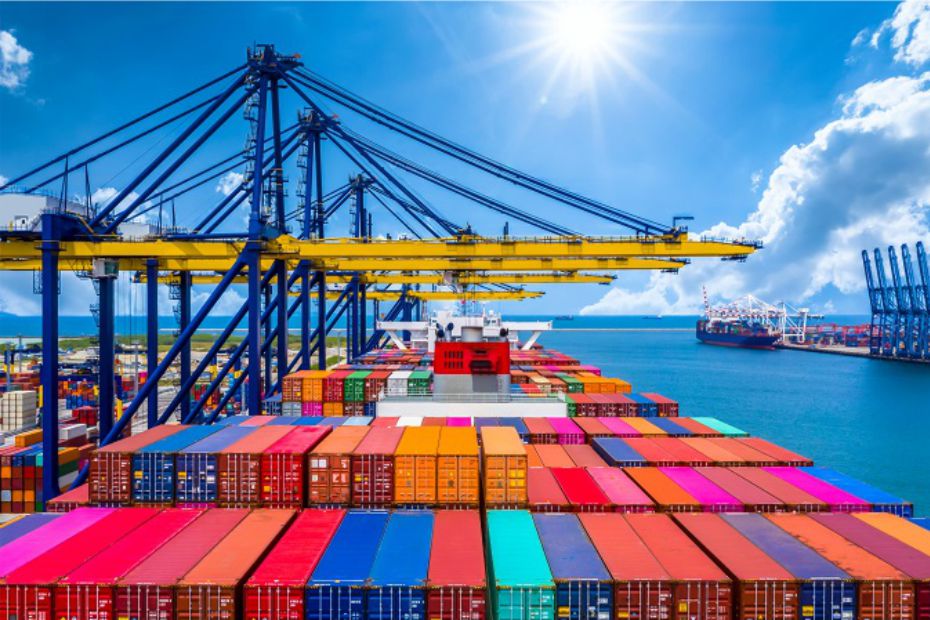
We have just passed three-quarters of the shipping business this year with a slower performance. Reports indicate that the performance of container shipping in 2023 was significantly lower than in 2022. This conservative situation is predictably expected to continue into next year (2024).
The shipping business in 2024 will rely on several determinants or dominant factors, including economic headwinds, business sustainability, digitalization, last-mile delivery, supply chain resilience, and cybersecurity.
After a rocky economic period during the pandemic and post-Covid economic shockwaves, every businessperson hopes that tough economic times are behind us. There are many aspects of the economy to feel confident in: rising wages, steps toward a reduced income gap, reduced regulations, and, yes, inflation finally starting to decrease. However, many challenges remain. Inflation is not yet low enough for shippers to increase their revenue and profits without raising costs.
Sustainability and greener business practices have been discussed for years. However, with frequent and costly natural disasters becoming the norm amid a changing climate, the shipping and logistics industry has started to step up and take bold actions. Regulations have been implemented by global shipping regulators, such as the International Maritime Organization’s “IMO 2020” rule, requiring cleaner fuel and retrofitted emissions scrubbers installed on older vessels.
By 2024, more bold actions will likely have been announced. Although digitalization in shipping has been talked about for a long time, by next year, it will finally become a reality for many shippers. The bottom line is that the Covid pandemic and the transition to remote work forced the shipping and logistics industry to digitize.
The last-mile delivery ecosystem has changed rapidly over the past few years, and by 2024, major U.S. retailers will have taken steps to take over many aspects of their last-mile delivery operations.
The Covid pandemic exposed vulnerabilities in global supply chains. In response, companies are rethinking their supply chain strategies to enhance resilience and implement risk management. This includes diversifying suppliers, changing how goods are sourced, and, for some companies, simply having a plan. Analytics are becoming even more important and will play a significant role in identifying potential risks and associated responses.
As the shipping and logistics world digitizes, cybersecurity is becoming more important than ever. In 2024, it is likely that the shipping industry at large, as well as related partners, will invest heavily in cybersecurity.
Buy & Read ISG November 2023: https://sociabuzz.com/isgct/p/isg-november-2023