



A decade after opening at Tanjung Priok, the terminal has handled more than 11 million TEUs, expanded shipping connections, introduced digital services and advanced efforts to electrify equipment and reduce emissions
When the container vessel MV Uni Perfect arrived at New Priok Container Terminal One (NPCT1) on August 18, 2016, it marked the start of commercial operations at a terminal that would become part of Indonesia’s evolving maritime logistics network.
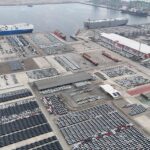
Ten years later, the terminal has handled approximately 11 million twenty-foot equivalent units (TEUs), a standard measure of container traffic, as it continues to expand its operational capacity, strengthen customer services and pursue more sustainable port operations.
The anniversary, marked in August 2026, comes as Indonesia’s trade and logistics sector faces continuing demands for efficient cargo handling, reliable shipping connections and infrastructure capable of supporting changing supply chains.
NPCT1 recorded throughput of 1.24 million TEUs from January to September 2026, up 8% from approximately 1.16 million TEUs during the same period a year earlier, according to the company.
The latest figures build on a decade of growth during which cumulative throughput reached 1 million TEUs in 2018, 5 million in 2022 and 10 million in 2025.
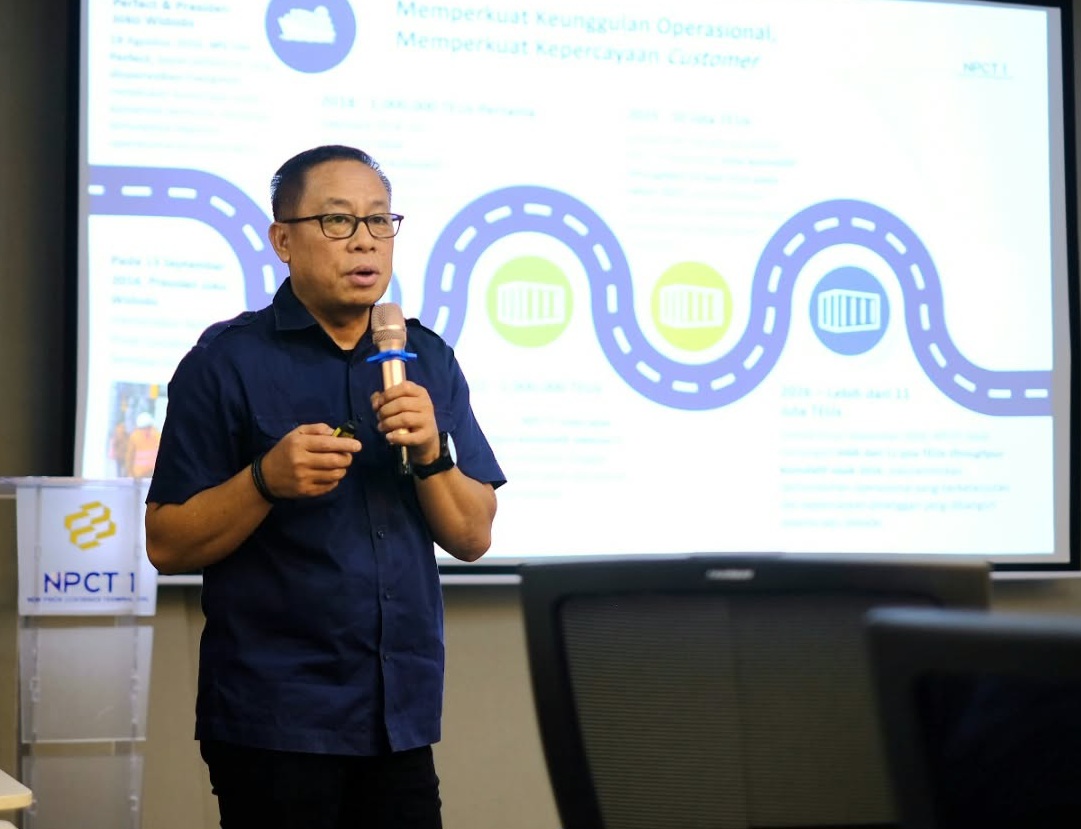
For Abdul Azis, NPCT1’s director, the milestone reflects not only rising cargo volumes but also efforts to strengthen the terminal’s ability to respond to changing operational demands.
“Over the past 10 years, NPCT1 has continuously strengthened its terminal capabilities to respond to evolving operational dynamics and growing demand,” Azis said.
He cited improvements in operational processes, digital solutions, equipment expansion and the adoption of more sustainable infrastructure as central elements of the terminal’s development.
Building capacity and resilience
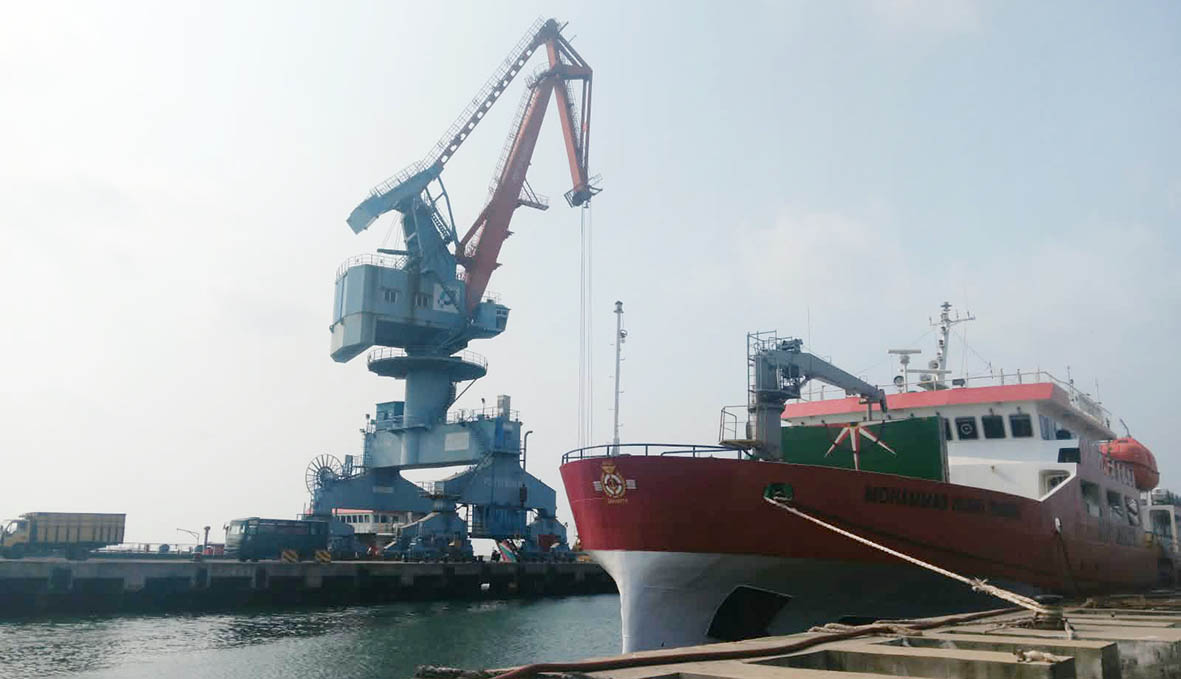
The growth has been accompanied by investments in equipment and operational systems designed to improve the movement of containers between vessels, storage yards and trucks.
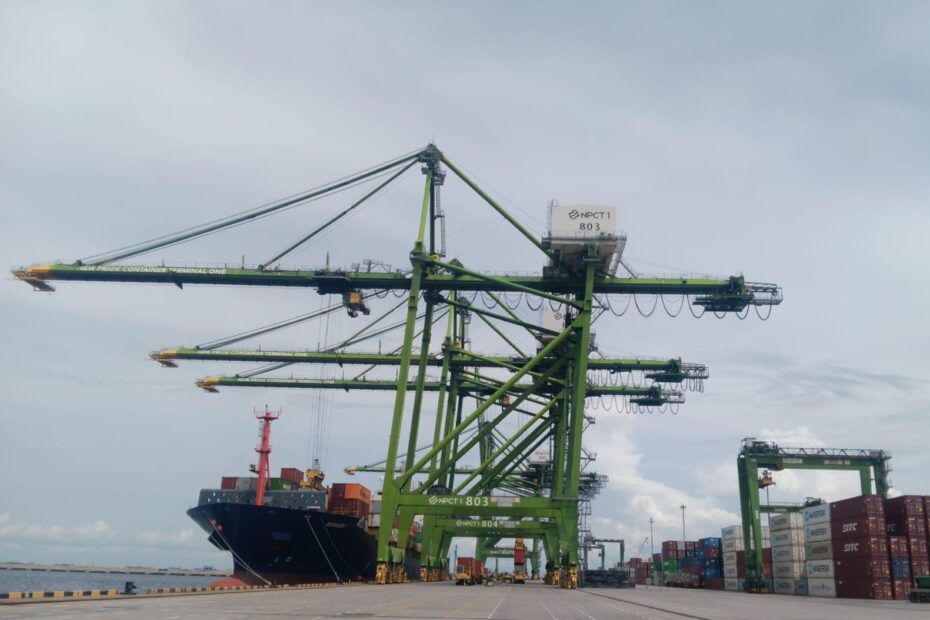
NPCT1 has expanded its fleet of quay cranes from eight units in 2016 to nine in 2026. Its rubber-tyred gantry cranes, used to move and stack containers in the yard, increased from 20 to 29, while its prime movers, which transport containers around the terminal, rose from 44 to 51.
Beyond equipment, the terminal has developed systems to manage yard capacity, coordinate truck arrivals and maintain vessel productivity, particularly during periods of heavy demand.
A Yard Planning Monitoring Dashboard allows operations teams to monitor yard utilization and planning performance. The system is intended to help optimize available space, improve container flows and support vessel and landside activities.
Truck movements are managed through a Truck Booking System and gate pass arrangements designed to balance receiving and delivery activities. By managing arrivals and coordinating schedules, the terminal aims to reduce congestion at its gates during peak periods.
Coordination with regulators, industry associations and other stakeholders has also become an important part of maintaining operational continuity.
At berth, NPCT1 uses backloading and staggered discharge and loading activities to improve vessel productivity. These measures are intended to ease pressure on berth occupancy and help sustain service when operational demand increases.
Such systems have become increasingly important as terminals balance vessel schedules, yard capacity and landside traffic within the wider port network.
Expanding connections and digital services
NPCT1’s commercial network has also broadened since it began operations with four shipping lines in 2016. The terminal now connects with a wider network of shipping lines serving 30 key ports across Asian trade routes, as well as destinations in the United States and Europe.
The expansion has been accompanied by efforts to simplify transactions and improve the experience of cargo owners and logistics providers.
One of these initiatives is ECON, a digital billing platform introduced to help beneficial cargo owners and freight forwarders manage gate passes, billing transactions and operational arrangements. The platform was further developed through ECON+ in 2024.
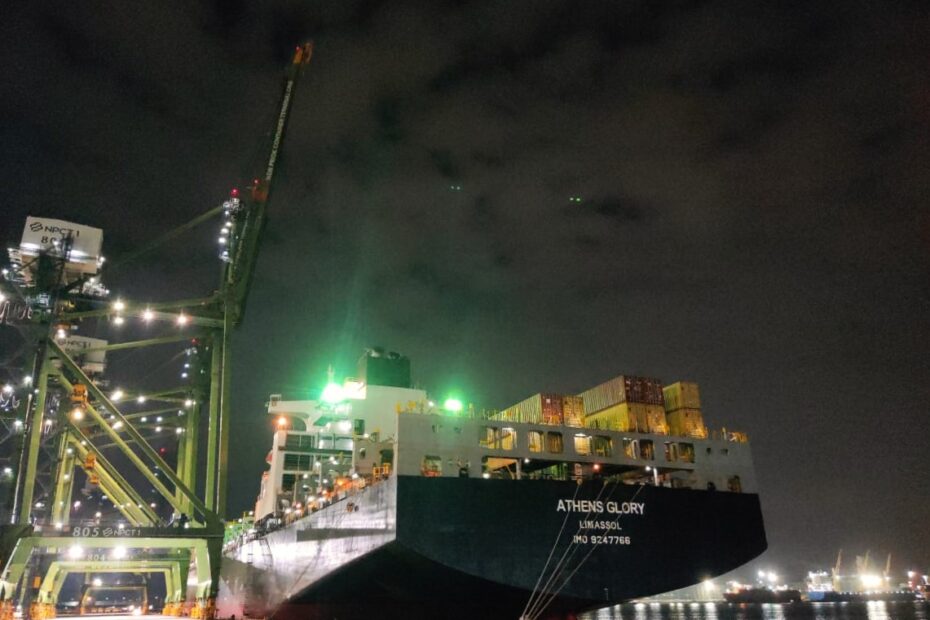
In 2022, NPCT1 introduced SAFE Pay, a digital payment solution intended to make transactions faster and more transparent.
The terminal subsequently introduced Dual Cycle in 2024, allowing trucks to deliver export containers and collect import containers during the same trip. The arrangement is designed to improve vehicle utilization and potentially lower logistics costs by reducing the need for separate journeys.
In early 2026, NPCT1 added a dedicated Customer Care service accessible by telephone, email and WhatsApp, providing another channel for customers seeking operational information and assistance.
Together, these initiatives reflect a broader shift toward digital processes and closer coordination between terminal operations and the companies that depend on them.
Electrification and lower emissions
Alongside operational expansion, NPCT1 has progressively introduced measures to improve energy efficiency and reduce emissions.
The terminal added four fully electric rubber-tyred gantry cranes in 2019 and installed the first phase of a solar photovoltaic system in 2024.
With a capacity of 610 kilowatt-peak (kWp), the solar installation is expected to reduce carbon emissions by as much as 584 metric tons annually, according to the company.
In 2025, NPCT1 added an electric quay crane and five hybrid rubber-tyred gantry cranes, supporting its operational capacity of up to 1.5 million TEUs annually.
The transition continued in January 2026, when the terminal converted seven of its 51 prime movers to electric units. NPCT1 described the move as the first transition of its kind by a terminal operator in Jakarta.
Further changes are planned. The second phase of the solar photovoltaic system is expected to reduce emissions by approximately 280 metric tons annually.
NPCT1 also plans to add two electric rubber-tyred gantry cranes and progressively convert its 10 hybrid units to fully electric equipment.
The company expects these initiatives, taken together, to reduce fuel consumption by up to 600,000 liters and cut carbon emissions by approximately 1,000 metric tons annually.
The planned investments form part of a longer-term effort to reduce reliance on conventional fuel-powered equipment while maintaining the capacity needed to handle cargo.
Making safety part of daily operations
For a container terminal, productivity depends not only on equipment and digital systems but also on the safety of workers and the reliability of daily operations.
Over the past decade, NPCT1 has sought to strengthen its health, safety, security and environment (HSSE) practices, moving beyond compliance toward greater shared responsibility across the organization.
The company says safety is increasingly integrated with operational excellence, business continuity and sustainability, while frontline personnel are being encouraged to take a more active role in identifying risks and reinforcing accountability.
This approach reflects the demands of an operating environment where vessels, heavy machinery, trucks and workers must move in close coordination.
NPCT1’s development has also relied on cooperation across the wider port community, including government authorities, port regulators, customs officials, security agencies, quarantine authorities, Pelindo, industry associations, customers and media partners.
The terminal operates within the broader Tanjung Priok port ecosystem, making coordination among public agencies and private-sector participants an important element of its daily activities.
Growing alongside the community
The terminal’s presence in Kalibaru, North Jakarta, also connects its development with the surrounding community.
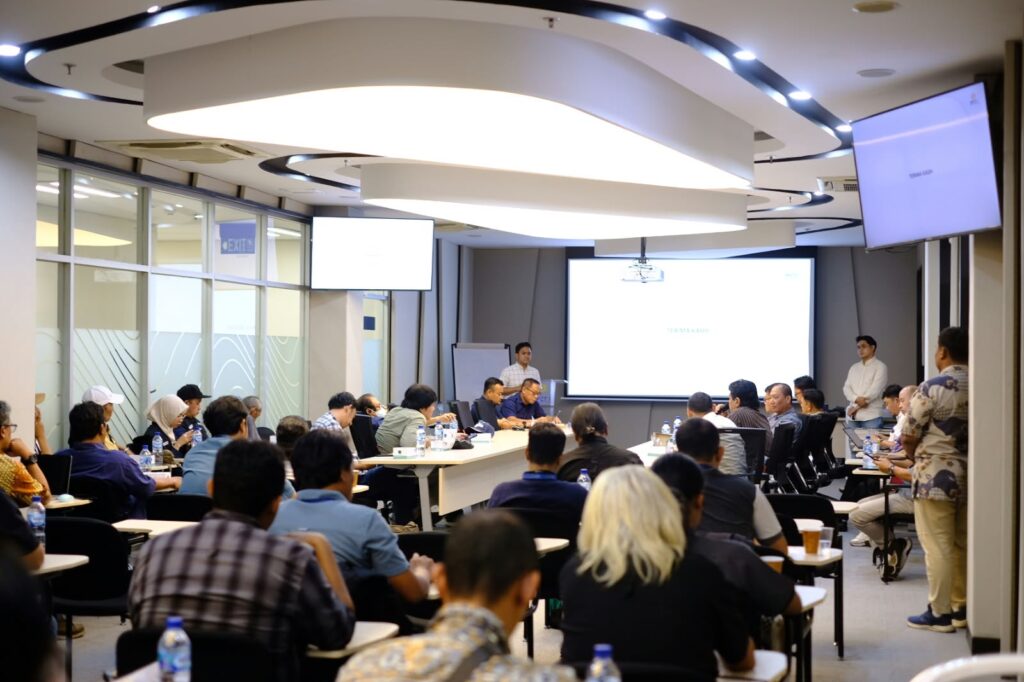
NPCT1 has supported initiatives related to education, health, community development and social welfare, reflecting efforts to maintain relationships with residents in the area where it operates.
For the company, these programs form part of its responsibility to contribute to the local community while developing its business.
As the terminal enters its second decade, the challenge will be to sustain throughput growth while improving service reliability, operational efficiency and environmental performance.
The next phase will depend on the continued development of infrastructure, technology and workforce practices, as well as cooperation with customers, regulators and other participants in Indonesia’s logistics network.
Reflecting on the anniversary, Azis said the milestone offered an opportunity to recognize the people and organizations that had contributed to the terminal’s development.
“Ten years of operations have given us an opportunity to reflect on the journey we have shared with our people, our customers and their continued trust and support, regulators, industry associations, media partners and the community around us,” he said.
“As we look ahead, we remain committed to growing responsibly, strengthening our operations, and creating lasting value for the customers and stakeholders who have been part of our journey.”