






International shipments drive monthly increase, while year-to-date throughput remains lower as TPS integrates new electric cranes and gantries into operations and works to restore productivity levels
Container terminal TPS (Terminal Petikemas Surabaya) recorded an 11.79% month-on-month increase in container throughput in July 2026, driven by higher international container flows, the terminal operator said.
Container throughput rose to about 130,000 twenty-foot equivalent units (TEUs) in July from 116,000 TEUs in June. International container traffic accounted for the increase, compared with 116,000 TEUs recorded in June.
Despite the monthly improvement, international container throughput for January-July stood at 807,000 TEUs, down 6.94% from 867,000 TEUs in the same period a year earlier.
Total container throughput, including domestic and international traffic, fell 8.59% year-on-year to 830,000 TEUs from 908,000 TEUs.
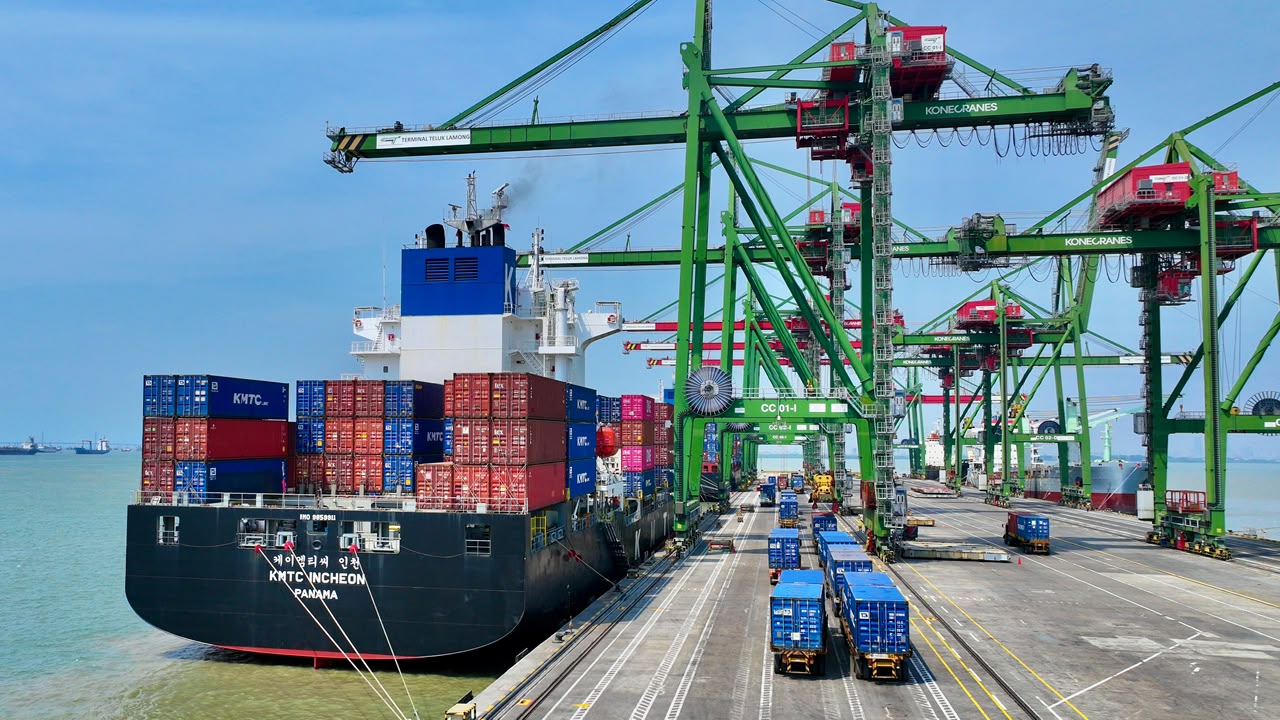
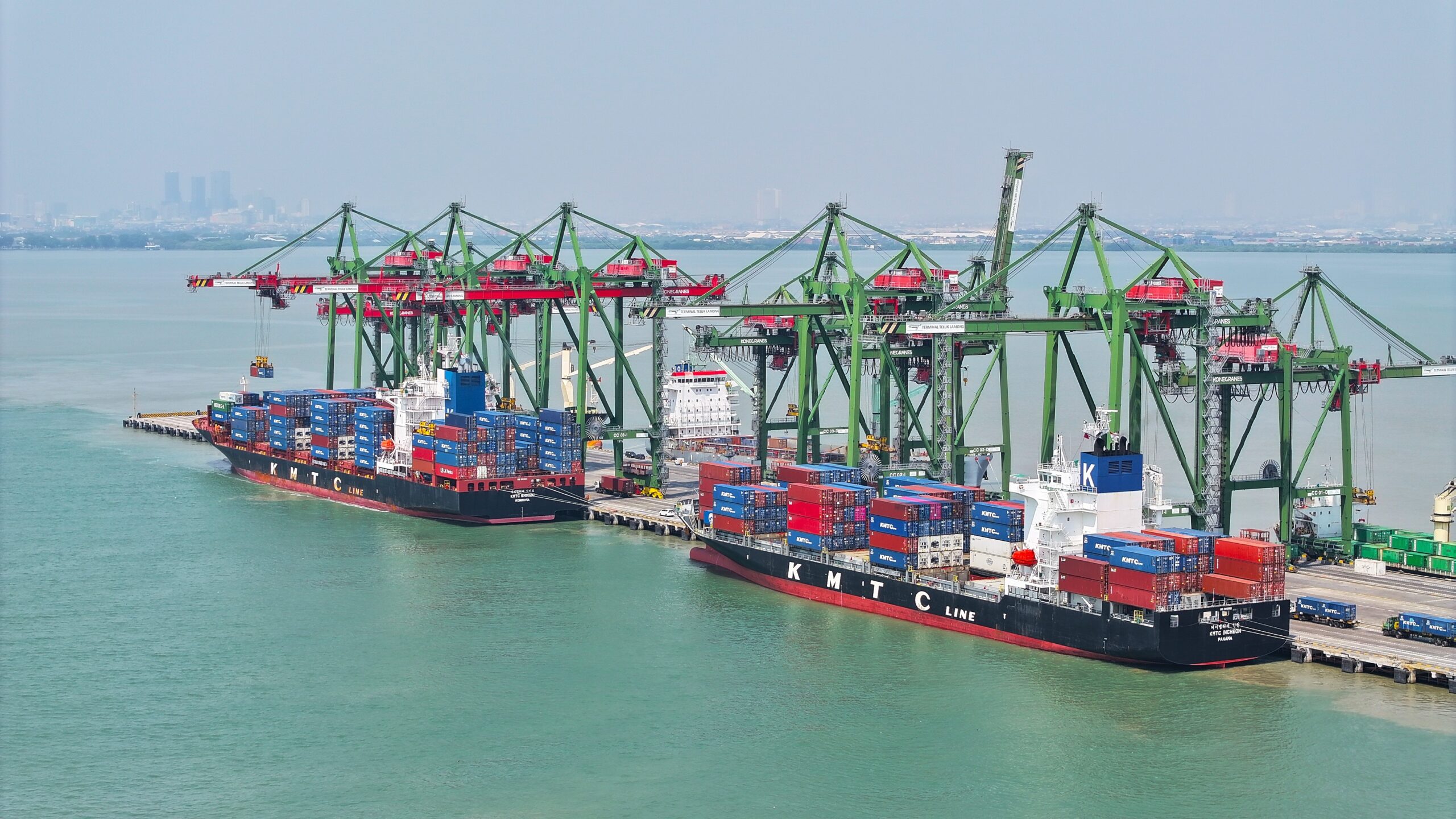
TPS attributed the year-on-year decline mainly to the transition and integration of new equipment, including four electric quay container cranes (E-QCCs) and 14 electric rubber-tyred gantry cranes (E-RTGs).
The installation, testing and operational adjustment of the equipment have required time to reach optimal productivity, TPS said. The terminal expects coordinated use of the new and existing equipment, supported by operational resources, to increase capacity and improve performance.
Foreign-trade container flows showed stronger monthly growth in July. Export volumes rose 20.54% to 68,000 TEUs from 57,000 TEUs in June, while imports increased 3.39% to 61,000 TEUs from 59,000 TEUs.
For the January-July period, exports accounted for 49% of international container flows, or about 400,000 TEUs, while imports represented 51%, or about 407,000 TEUs.
The export-import mix was unchanged from the same period in 2025. Exports accounted for 49%, or 428,000 TEUs, while imports represented 51%, or 439,000 TEUs.
TPS also reported average loading and unloading productivity of 51 boxes per ship per hour during the first two months of 2026, above the minimum standard of 48 boxes per ship per hour set by Indonesia’s Ministry of Transportation through the Tanjung Perak Main Port Operations Office (KSOP Utama).
The terminal retained an 83% share of the international container market at Tanjung Perak Port, TPS said.
TPS Corporate Secretary Erika A. Palupi said the July increase showed that trade activity through the terminal was continuing to recover.
“The increase was primarily supported by international containers, both exports and imports, reflecting the continued trust of business players in TPS’s services and operational capacity,” she said.
TPS would continue to focus on reliable, safe and sustainable operations, Palupi said, adding that productivity above regulatory standards and its strong international market position would help support Indonesia’s logistics and trade flows.
Boy G. Rahman, deputy chairman of the East Java branch of the Indonesian Export Companies Association (GPEI), said the 20.54% monthly increase in export container throughput was a positive signal for exporters in East Java and eastern Indonesia.
He said the increase suggested demand for Indonesian export products remained resilient despite continuing global economic challenges.
“We appreciate TPS’s efforts to maintain smooth logistics flows and modernize terminal equipment,” Rahman said, adding that cooperation among port operators, businesses and the government would be important to sustain export growth and support the national economy.