

Its three terminals handled 1.75 million TEUs in total through July, up 13.3% year-on-year, driven by stronger international and domestic flows, new services and improved operations across its three terminals
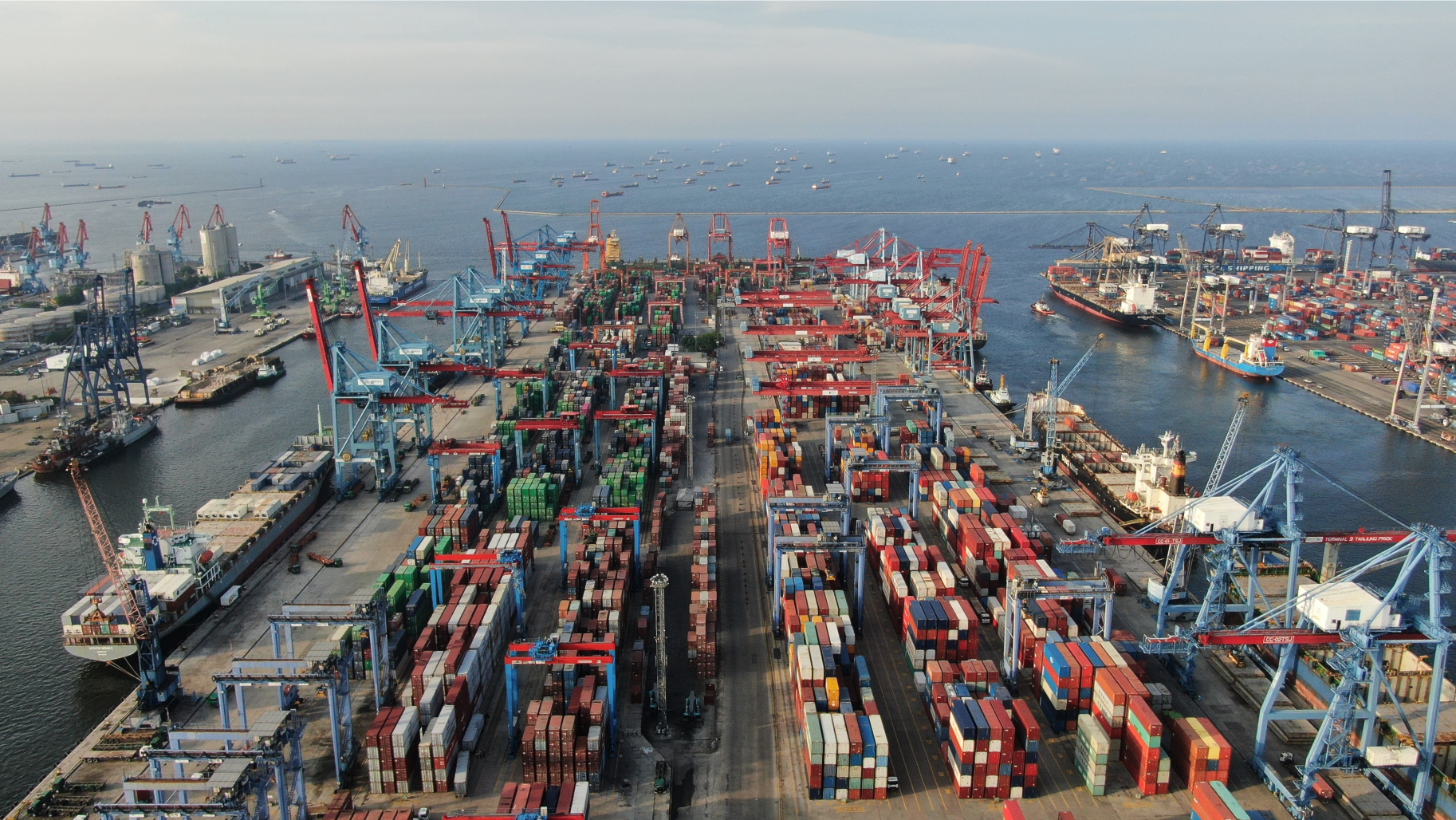
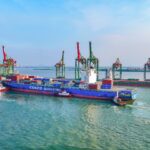
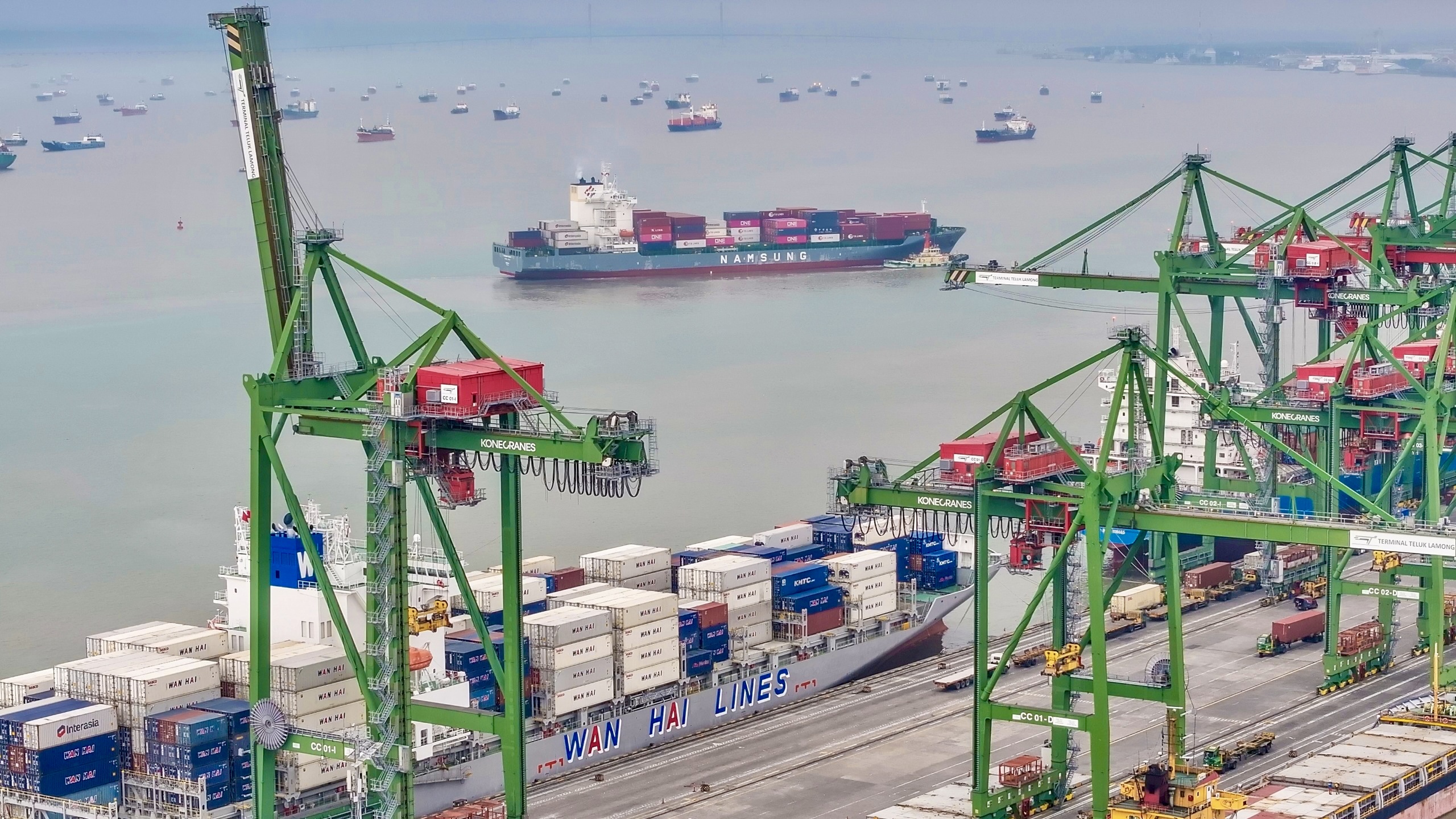
PT Terminal Teluk Lamong (TTL) recorded its highest container throughput through July, with three terminals handling 1,753,203 twenty-foot equivalent units (TEUs) in total, up 13.3% from 1,547,561 TEUs a year earlier.
The record covered the integrated operations of TPK Teluk Lamong, TPK Nilam and TPK Berlian. Growth was driven by higher international and domestic container flows, new shipping services, network optimization and improved loading and unloading productivity.
TPK Teluk Lamong recorded the strongest growth among the three terminals, with throughput rising 23.6% to 644,432 TEUs from 521,451 TEUs a year earlier.
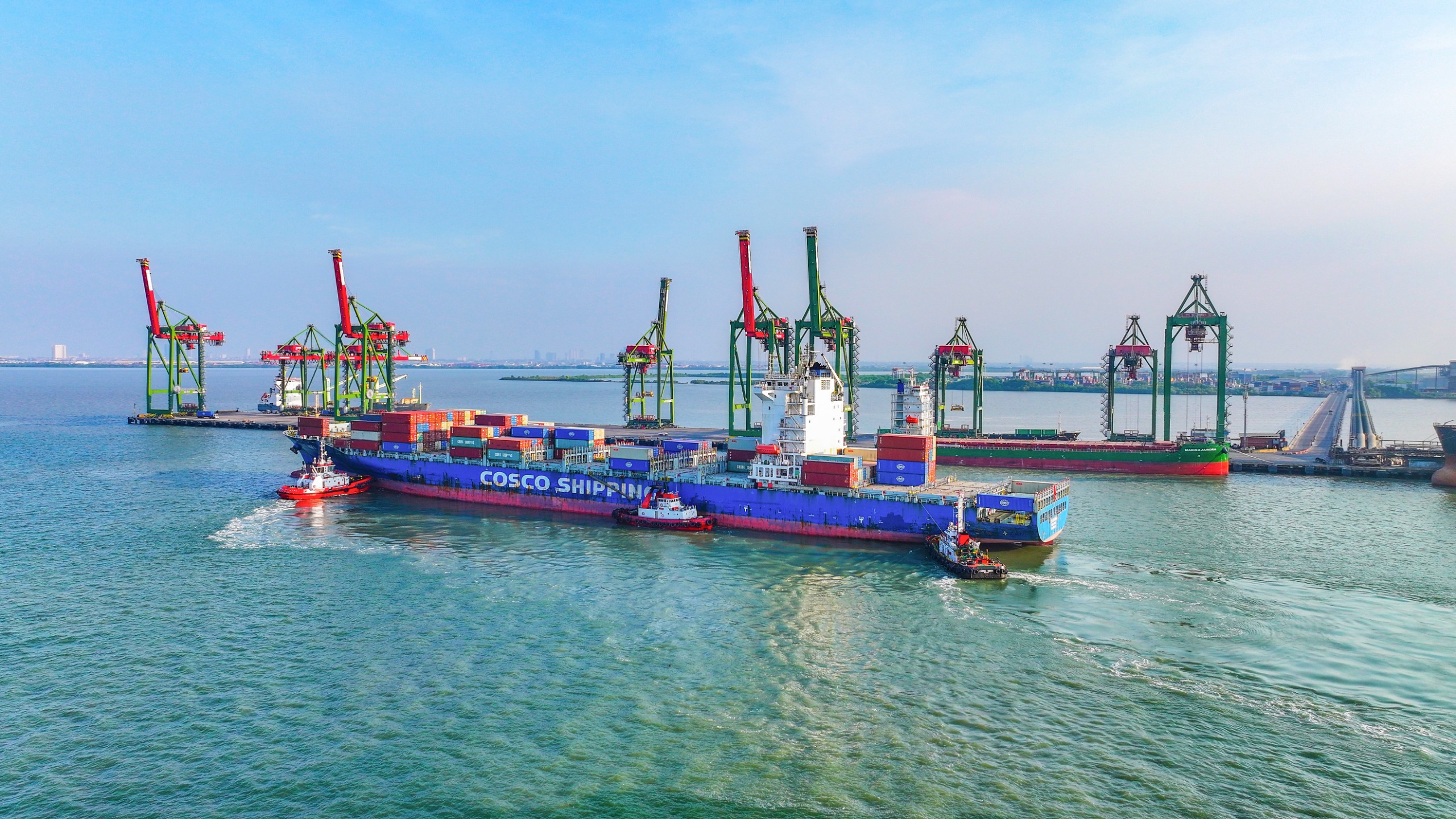
The increase was supported by higher international container flows and two new services that expanded the terminal’s connectivity with global shipping networks.
The first was the CSE service, operated under a joint-slot arrangement between COSCO and OOCL, with an average payload of about 1,200 TEUs per call. The second was the SCJX/SIX service, operated through a joint slot between GSL and XPF, with an average payload of about 1,100 TEUs per call.
International activity was also supported by 22 ad hoc vessel calls through July, which added 14,020 TEUs to throughput.
TPK Nilam handled 321,604 TEUs, up about 19.6% from 268,852 TEUs in the same period last year. The increase was mainly driven by higher domestic container activity, including Meratus services to Kendari and Tanto services to Ambon.

TPK Nilam grew 19.6%
The growth strengthened TPK Nilam’s role in supporting the distribution of goods from Surabaya to eastern Indonesia, the company said.
TPK Berlian handled 787,167 TEUs, up about 4% from 757,258 TEUs a year earlier. The improvement was supported by optimization of berthing windows and the availability of loading and unloading equipment.
The terminal operated 15 to 16 harbor mobile cranes and one container crane, helping accelerate cargo handling and improve operational efficiency, TTL said.

TPK Berlian leads volume despite lowest growth
David Pandapotan Sirait, president director of PT Terminal Teluk Lamong, said the results showed the effectiveness of the company’s integrated three-terminal management strategy.
“The throughput record through July 2026 demonstrates that the integrated three-terminal management strategy is beginning to yield increasingly strong results,” David said.
He said growth was supported by increased international connectivity at TPK Teluk Lamong, optimization of domestic services at TPK Nilam and TPK Berlian, and continued improvements in operational productivity.
“We will continue to maintain this growth momentum by providing services that are increasingly effective, efficient, and adaptive to user needs,” he said.
TTL said it would continue to improve operational productivity, strengthen shipping connectivity and optimize capacity and utilization across its three terminals for the remainder of 2026.
The company said greater integration among the terminals was expected to strengthen Surabaya’s role as a strategic logistics hub supporting domestic and international trade.
TTL aims to sustain the growth momentum through the end of the year and contribute to improving the efficiency of Indonesia’s national logistics chain and trade competitiveness.