





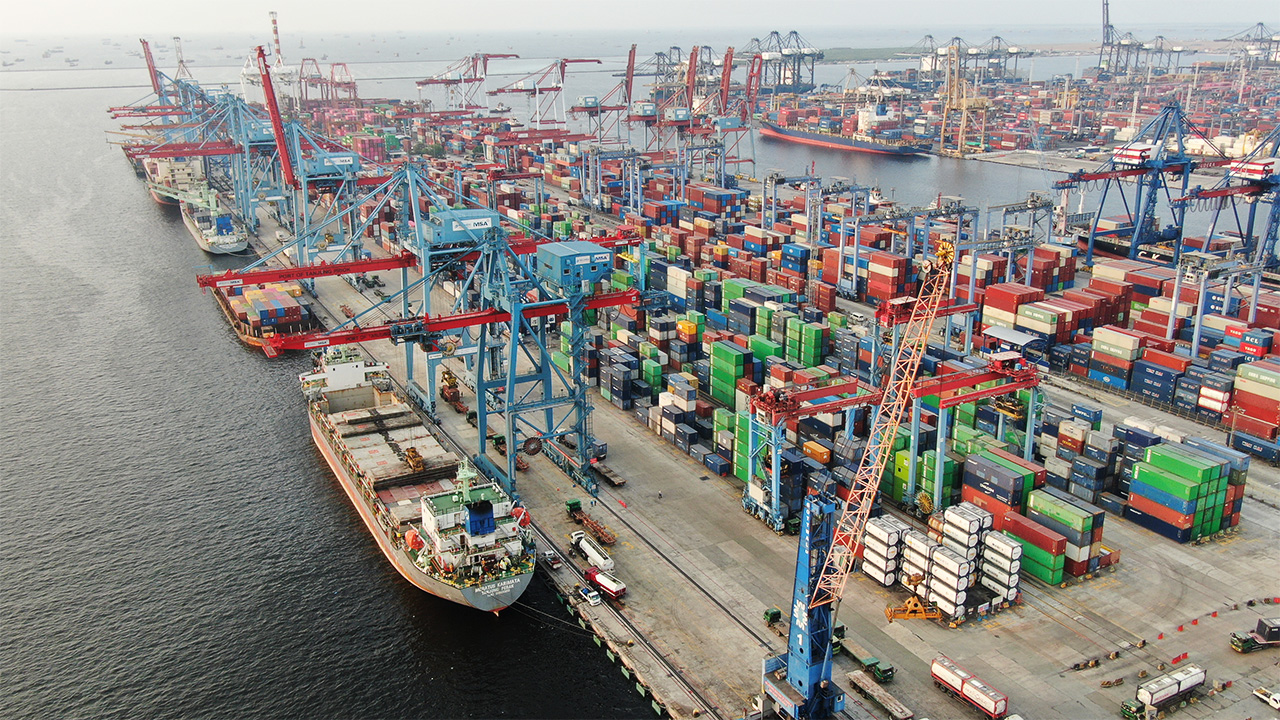
International container traffic at PT Pelindo Terminal Petikemas terminals grew 10.34% in January-September 2026, surpassing domestic growth amid expanding shipping connections, new export markets and investment in port infrastructure
Container throughput handled by PT Pelindo Terminal Petikemas reached 10.31 million twenty-foot equivalent units (TEUs) in the first nine months of 2026, up 5.80% from the same period a year earlier, reflecting stronger international trade activity and expanding shipping connections.
International container traffic rose 10.34% to 3.54 million TEUs, significantly outpacing the 3.57% increase in domestic traffic, which reached 6.77 million TEUs.
Fajar Setyono, corporate secretary of PT Pelindo Terminal Petikemas, attributed the growth to increased international vessel calls, the introduction of new shipping services and improvements in terminal facilities and operations.
One of the strongest performers was Teluk Lamong Terminal (TTL), where container throughput increased 23.12%.
As of September 2026, the terminal had recorded 25 non-regular international vessel calls, handling a combined 16,014 TEUs, Fajar said on Monday.
The increase was supported by the introduction of two shipping services: CSE and SCJX/SIX.
CSE operates through a joint slot arrangement between COSCO Shipping Lines and OOCL, handling an average of approximately 1,100 TEUs per vessel call. SCJX/SIX is a collaboration between Gold Star Line and X-Press Feeders, with a similar average volume.
The additional services have strengthened the terminal’s connections to international shipping networks while supporting higher container volumes, Fajar said.
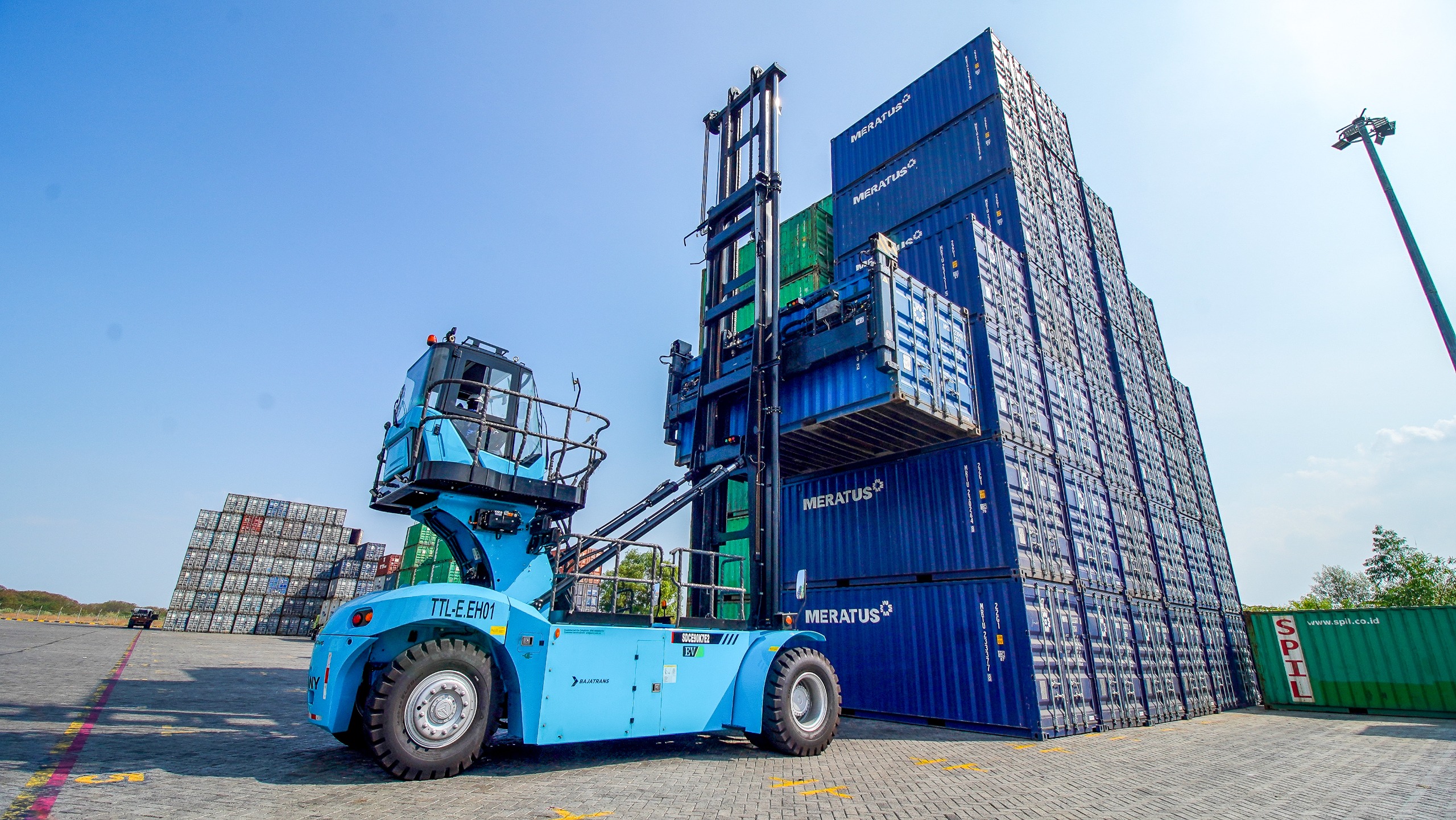
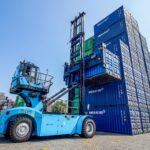
To accommodate rising demand, Pelindo Terminal Petikemas is expanding its handling capacity through equipment procurement across several terminals.
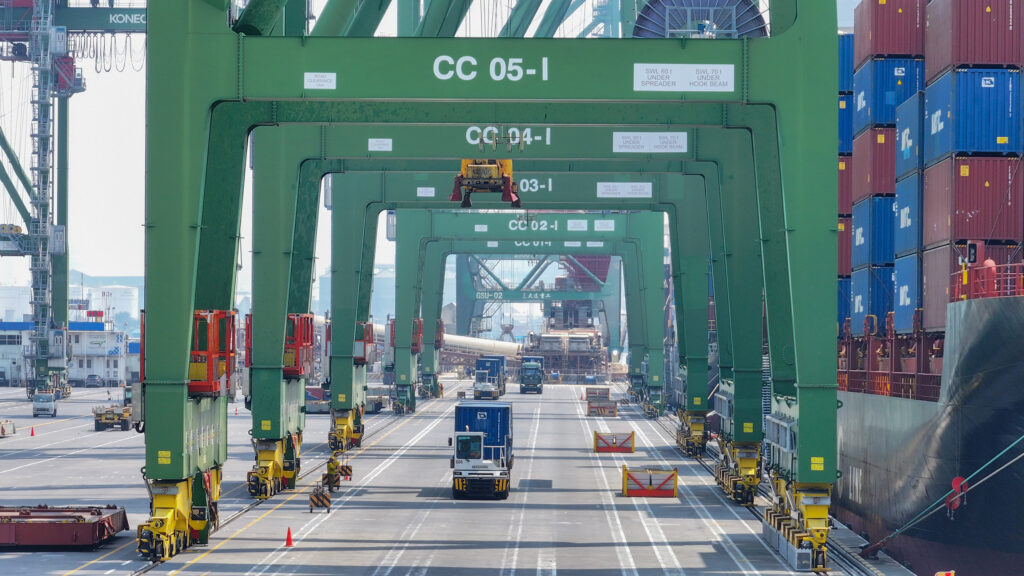
In 2026, the company has been procuring four quay container cranes (QCCs) and 14 electric rubber-tyred gantry (E-RTG) cranes for Surabaya Container Terminal (TPS), four QCCs for TPK Semarang, two QCCs and four RTGs for TPK Belawan, and four E-RTGs for TPK Banjarmasin.
The procurement of two QCCs for TPK Perawang is targeted for completion by December 2026.
“These facility enhancements are part of the company’s efforts to improve service reliability and bolster container handling capacity,” Fajar said.
The company is also seeking to improve operational planning, equipment utilization and coordination with shipping companies and other service users to ensure smoother cargo loading and unloading.
New Markets Expand International Trade
The increase in container traffic reflects broader developments in Indonesia’s international trade, with new export destinations helping drive demand for shipping services.
Harry Soetanto, deputy chairman for maritime and ports at the Indonesian Logistics and Forwarders Association (ALFI/ILFA), welcomed the growth, describing it as an encouraging development amid continuing economic challenges.
International trade increased 6.85% between January and September 2026 compared with the same period in 2025, rising from 14.46 million to 15.45 million, Harry said on Monday.
He attributed the expansion largely to market diversification, particularly in Europe and South America.
Indonesian businesses have entered several new markets in the two regions, supporting increased import and export activity and contributing to stronger international trade growth than domestic trade, he said.
Export growth has been supported by shipments of various commodities, including palm oil derivatives, machinery and equipment, chemicals and electronics.
Domestic trade, meanwhile, remains relatively subdued as consumer demand has yet to show significant improvement.
Harry said ports in Java generally have sufficient capacity to accommodate the needs of exporters and importers, although improvements remain necessary.
Several terminals have upgraded their cargo-handling equipment, particularly those serving international shipping routes.
However, infrastructure gaps remain more pronounced in eastern Indonesia, where port readiness and service capacity require greater attention.
“Ports in Java, especially those involved in import and export activities, are relatively well-equipped. But in the eastern region, there is still a significant gap,” he said.
Growth Must Deliver Competitiveness
Despite the increase in container traffic, analysts caution that higher throughput alone does not necessarily indicate stronger trade competitiveness.
Puspandam Katias, an academic and supply chain management practitioner at Airlangga University, said container growth should be assessed alongside improvements in domestic value creation, logistics efficiency and the competitiveness of Indonesian products.
An increase in container volumes indicates stronger logistics activity but does not, by itself, demonstrate that the country’s international trade position has improved, he said on Friday.
He recommended comparing the 10.34% increase in international container traffic with export and import statistics from Statistics Indonesia (BPS), including the composition of laden and empty containers, export-import balances and trends in trade value.
Such comparisons would help establish whether higher container volumes reflect stronger exports, increased imports or changes in shipping and logistics patterns.
Puspandam also pointed to developments in international shipping routes, including the gradual return of some shipping lines to the Suez Canal despite continuing security concerns in the Red Sea.
Changes in global shipping routes could affect transit times, shipping costs and the distribution of goods, making them important factors to monitor as international trade expands.
He warned that rising container volumes must be accompanied by improvements throughout the logistics network.
The challenge, he said, is to avoid a situation in which cargo volumes increase while transportation costs, delivery times and distribution uncertainties remain unchanged.
Sebastian Wibisono, chairman of ALFI/ILFA’s East Java regional board, also viewed the growth in container throughput as a positive signal for trade and logistics activity, particularly in East Java.
The increase indicates stronger demand for cargo transportation, especially for export and import activities, he said on Monday.
He identified improved international shipping connectivity as one of the main drivers, pointing to the growing number of non-regular international vessel calls at Teluk Lamong Terminal.
The expansion of shipping services gives businesses more transportation options and creates opportunities to access international markets, he said.
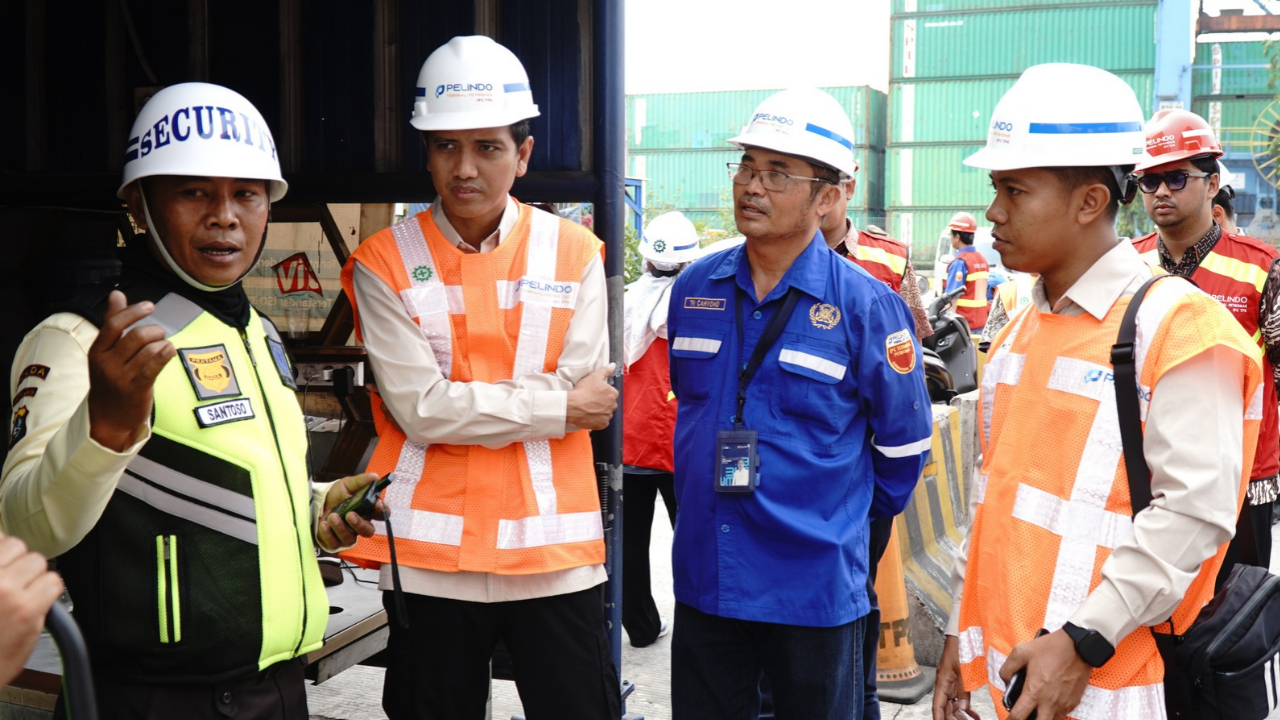
Sebastian also welcomed Pelindo’s investment in terminal infrastructure, including the installation of four QCCs and 14 RTGs at Surabaya Container Terminal.
However, he stressed that additional equipment and handling capacity must translate into measurable improvements for logistics operators.
These include faster loading and unloading, more reliable vessel schedules, smoother container gate operations and competitive logistics costs.
For businesses, the benefits of expanded port capacity ultimately depend on whether improvements at terminals can reduce logistical bottlenecks and make supply chains more efficient.
Sebastian said continued improvements in service quality and shipping connectivity would help strengthen logistics operations in East Java and support the competitiveness of local industries in domestic and international markets.
As Indonesia’s container traffic continues to expand, the challenge for port operators and policymakers will be to ensure that higher volumes deliver more than increased cargo movements, translating instead into greater efficiency, stronger trade links and sustainable economic competitiveness.