




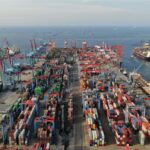
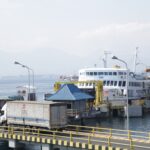

Indonesia’s state port operator Pelindo plans to begin trials of an electronic pilotage system at four ports in September, seeking to improve efficiency and cut costs while keeping human pilots at the heart of vessel safety.
The planned introduction of e-pilotage will not eliminate the need for pilots, industry officials said on the sidelines of the International Maritime Pilots’ Association (IMPA) Congress in Bali on Aug. 23.
Instead, pilots will operate the system, potentially allowing the industry to address a shortage of qualified personnel while making pilotage operations more efficient.
“We (INAMPA member pilots) will still be needed. Even with e-pilotage in place, pilots will be the ones operating the system, making the work more efficient,” said Herman Harianja, president of the Indonesia Maritime Pilots’ Association (INAMPA).
Pelindo President Director Achmad Muchtasyar said the company currently had about 500 pilots, compared with a requirement of roughly 600.
“We need around 600 pilots, but we currently have only 500, so there is still a significant shortfall,” he said.
E-pilotage could help improve operational efficiency and lower the cost of pilotage services, Achmad said.
“Rates will certainly be lower,” he said.
Pelindo Director of Institutional Affairs Hendri Ginting said the company would first assess the technology through trials, including operations in several river channels, before deciding on wider implementation.
“We are conducting trials first. We will evaluate the system until it is fully ready,” he said.
Four ports to test system
The trials are targeted to begin in September at Tanjung Perak, Banjarmasin, Belawan and Samarinda, Pelindo Operations Director Prasetyadi said.
“We are targeting the trials for September 2026 at four ports. Hopefully, everything proceeds as expected,” Prasetyadi told Ocean Week in Bali on Aug. 23.

The system is also expected to reduce pilotage costs compared with the current manual process, he said.
Samarinda has previously served as a pilot location for a safety-focused transformation programme in port pilotage operations. The programme reduced property damage incidents by 67% from the previous operational period, Prasetyadi said, following stronger risk mitigation measures around the Mahakam Bridge, an area regarded as particularly challenging for vessel movements.
The experience showed how disciplined risk management could produce measurable safety improvements, he said.
“Operational safety is constantly influenced by various interconnected factors, ranging from the quality of human resources to surrounding environmental conditions,” Prasetyadi said.
Pelindo requires comprehensive safety briefings before ship-pilotage operations begin, while sensors and telemetry systems are being used to monitor operations in real time, he said.
Safety limits remote operations
The trials will not mean that pilots are removed from vessels in every situation.

Arief Hermawan, president director of Pelindo Jasa Maritim (PJM), said pilots would continue to board vessels in high-risk river channels.
“For river channels deemed hazardous, pilots will still board at designated points,” Arief said on the sidelines of the IMPA Congress.
The decision on where and how e-pilotage can be used will ultimately depend on safety considerations, he said.
That approach underscores the role Pelindo sees for the technology: a digital tool to support and streamline pilotage, rather than a wholesale replacement for the people responsible for guiding vessels through Indonesia’s often complex waterways.
The trials will therefore be closely watched as Pelindo assesses whether e-pilotage can be expanded without compromising maritime safety standards, while helping the company meet demand for pilotage services across the country’s ports.