






ALFI urges stronger government coordination, regulatory harmonisation, digital integration and multimodal connectivity to improve Indonesia’s logistics efficiency and strengthen national supply chain competitiveness
Indonesian Logistics and Forwarders Association (ALFI) has proposed five policy measures to accelerate the implementation of Presidential Regulation No. 41 of 2026 on strengthening the country’s national logistics system, citing the need for better coordination, regulatory alignment and digital integration.
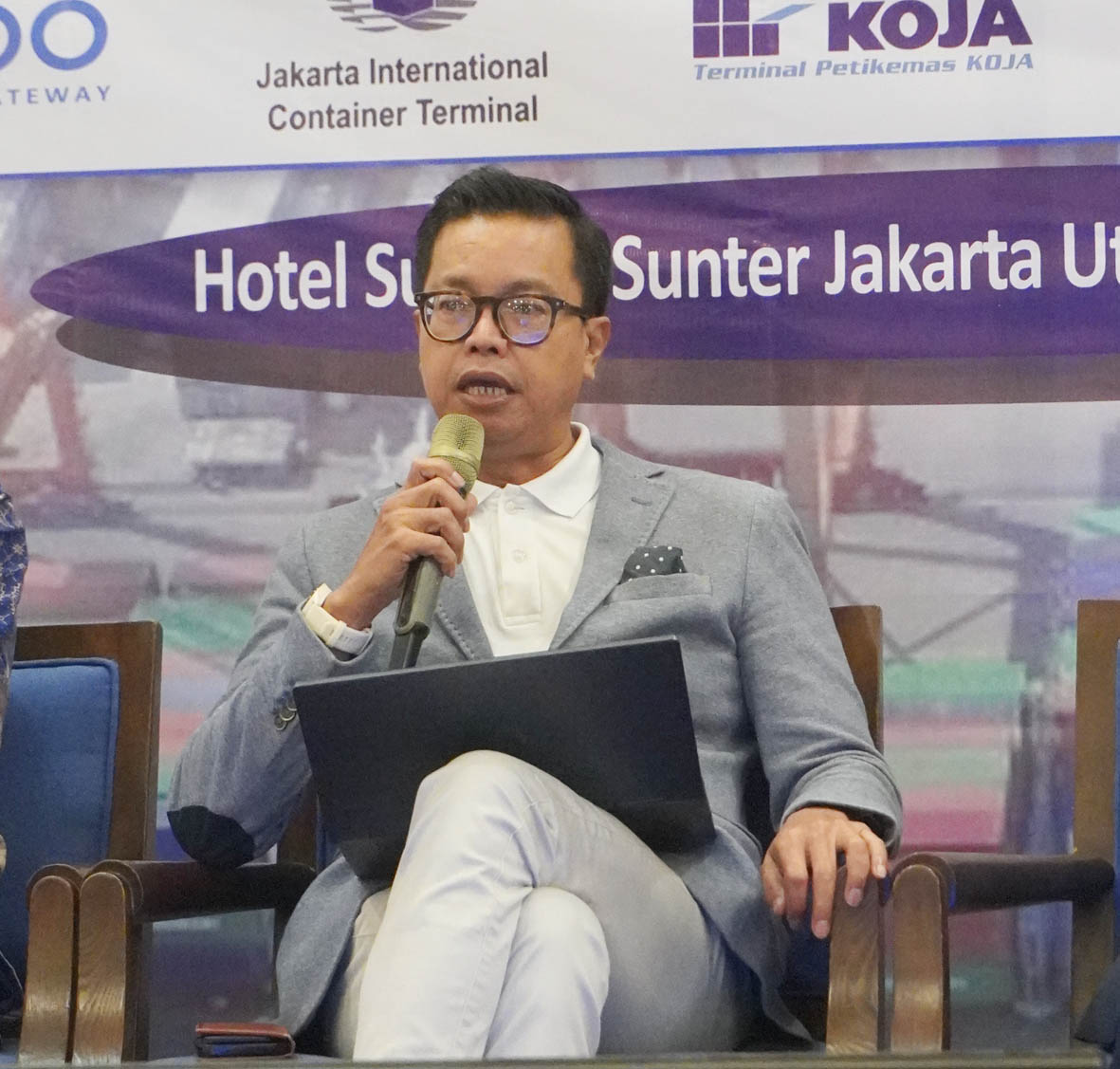
Yukki Nugrahawan Hanafi, senior vice president of the International Federation of Freight Forwarders Associations (FIATA) and chairman of ALFI’s Board of Trustees, said the regulation provided an opportunity to improve Indonesia’s logistics infrastructure and supply chain competitiveness.
However, he said its effectiveness would depend on consistent implementation, coordination among government institutions and greater involvement from the private sector.
“Presidential Regulation 41 of 2026 represents a transformative moment for building a more efficient, resilient and integrated supply chain,” Yukki said.
He added that infrastructure development, including ports, toll roads, airports and industrial estates, needed to be accompanied by regulatory alignment, streamlined procedures, technology adoption and stronger connectivity among supply chain stakeholders.
Yukki said Indonesia faced growing competition from other Southeast Asian economies, including Singapore, Malaysia, Thailand and Vietnam, which have continued to develop their logistics infrastructure and trade facilitation systems.
According to the World Bank’s 2023 Logistics Performance Index (LPI), Indonesia ranked 63rd with a score of 3.0, compared with 46th and a score of 3.18 in 2018.
“Logistics competition today is no longer merely between individual companies; it is a competition between ecosystems and between nations,” he said, adding that international investors and trading partners placed importance on cost efficiency, service speed, certainty and supply chain reliability.
To accelerate the regulation’s implementation, Yukki outlined five policy priorities.
First, he called for stronger coordination and governance among ministries, government agencies and regional administrations, supported by clearly defined responsibilities, targets and evaluation mechanisms.
Second, he proposed harmonising regulations and procedures across key logistics facilities and services, including ports, airports, customs, warehouses and land transportation, to reduce duplication and unnecessary costs.
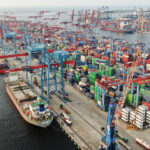
He said major logistics hubs, including Tanjung Priok, Tanjung Perak, Patimban, Makassar, Belawan and Batam, needed to be better connected with other logistics facilities across the country.
Third, he called for faster integration of logistics data and wider digitalisation through interoperable systems, common data standards and end-to-end shipment tracking.
Fourth, he proposed strengthening multimodal transportation and cargo consolidation, particularly by improving connections between production centres, industrial estates and regions in eastern Indonesia. Such measures could help address imbalances in cargo flows, he said.
Fifth, he urged the government to involve industry associations and logistics operators in developing standards, conducting pilot projects and evaluating policies to ensure that implementation reflected operational requirements.
Yukki also called for measurable performance indicators to assess the regulation’s impact, saying evaluations should go beyond infrastructure development and the issuance of government policies.
Indicators should include logistics costs, transit times, on-time delivery rates, shipment traceability and service quality, he said.
Transparent performance measurements would help the government and industry identify operational bottlenecks and improve accountability, he added.
“The business sector is prepared to partner with the government in realising this agenda,” Yukki said.
He said sustained cooperation, regulatory certainty and performance-based evaluations could help improve the competitiveness of Indonesia’s supply chains and benefit industries, micro, small and medium-sized enterprises (MSMEs), and consumers.
The broader objective, he said, was to establish a more competitive and equitable national logistics system and strengthen the ability of Indonesian products to compete in international markets.