






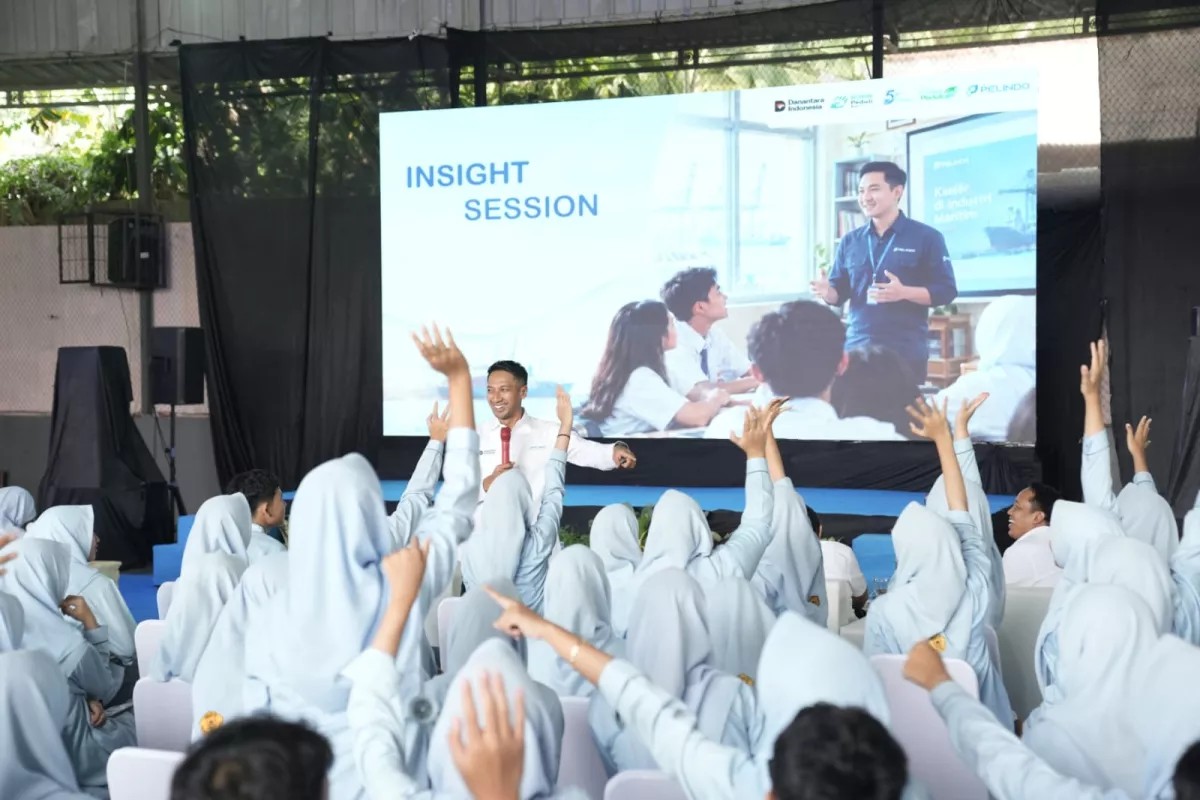
A former student returns to his high school in Pandeglang to inspire 125 students with insights into Indonesia’s port industry, career opportunities and the transformative power of education
For students in Pandeglang, a district in Indonesia’s Banten province, the country’s bustling ports may seem a world away. But when Yogi Firdaus returned to his former high school, he brought a message that opportunities in the maritime industry could begin with a dream in the classroom.
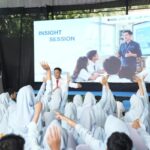
Yogi, director of finance, human resources and risk management at state-owned container terminal operator PT Pelindo Terminal Petikemas, met 125 students from grades 10 to 12 at SMA Negeri 1 Pandeglang on Friday as part of the company’s ‘Pelindo Mengajar’ – Pelindo Teaches – programme.
The visit offered students a glimpse into an industry they might otherwise associate mainly with ships, docks and cargo. Yogi explained that ports are essential links in the country’s logistics network, connecting regions, facilitating trade and supporting economic activity.
Behind the movement of goods, he said, lies a complex network of professions, including terminal operations, engineering, information technology, finance, human resources and communications.
The range of roles illustrates how the port industry draws on expertise from different educational backgrounds, offering opportunities to people with varied skills and interests.
For Salwa Nadzhela Al Hikmat, a student in class X-4, the session challenged her previous understanding of ports.
“I initially thought a port was simply a place where passenger and cargo ships docked. After attending ‘Pelindo Mengajar‘, I realised that port operations involve many different roles and specialised skills,” she said.
The programme also offered students a more personal source of inspiration: the career journey of someone who grew up in their own region.
Vino Andhika, a student in class XI-1, said Firdaus’s presence demonstrated that people from Pandeglang could reach leadership positions in major companies, including state-owned enterprises.
“Seeing someone from Pandeglang become a leader in Indonesia’s port industry motivates me to study harder and prepare myself to build a career in a state-owned company,” he said.
Returning to his former school was an opportunity for Yogi to share professional experience and encourage students to look beyond the limits of their immediate surroundings.
“Through ‘Pelindo Mengajar’, we want students to understand that behind port operations are many professions, areas of expertise and opportunities,” he said.
“I hope the experience inspires them to dream boldly, recognise their potential and prepare themselves through education and continuous learning.”
School principal Jubaedi welcomed the initiative, saying the visit gave students valuable exposure to the port industry, the role of state-owned enterprises and Pelindo’s contribution to the national economy.
He said the students had shown considerable enthusiasm and hoped the experience would encourage them to develop their abilities and pursue higher ambitions.
Beyond the classroom session, Pelindo Terminal Petikemas also provided financial assistance for the renovation of the school’s sports field through its CSR (corporate social responsibility) programme.
The contribution aims to improve facilities for students’ physical activities and support a better learning environment. It also forms part of the company’s broader efforts to support human resource development through education.
The initiative is aligned with Indonesia’s Asta Cita national development agenda, particularly its fourth priority, which focuses on strengthening human resources, science, technology and education as the country works towards its 2045 development ambitions.
Launched in 2022, the ‘Pelindo Mengajar’ programme has reached 13 schools and 1,925 students across Indonesia, including those attending the Pandeglang session on Nov. 6, 2026, according to the company.
Through direct engagement between company representatives and students, the initiative seeks to introduce young people to the professional world while sharing knowledge and practical experience.
For the students in Pandeglang, the encounter offered more than an introduction to an unfamiliar industry. It showed how a career once seemingly distant from their hometown could become attainable. And for Yogi, the return to his former school carried a reminder that the foundations of a professional journey can be laid long before someone steps into the workplace.