


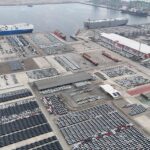

The stevedoring companies’ association urges closer cooperation with port operators, especially Pelindo, as Indonesia pursues digital integration, safer cargo handling and lower logistics costs to strengthen national supply chains and maritime competitiveness
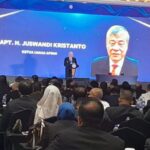
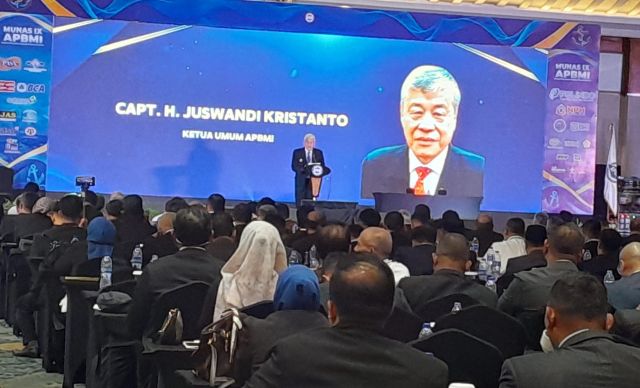
Juswandi Kristanto, chairman of the Association of Indonesian Stevedoring Companies (APBMI), called for stronger partnerships between cargo-handling companies and port operators to improve operational efficiency, integrate logistics systems and support Indonesia’s efforts to reduce national logistics costs.
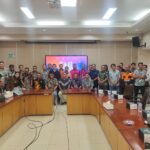
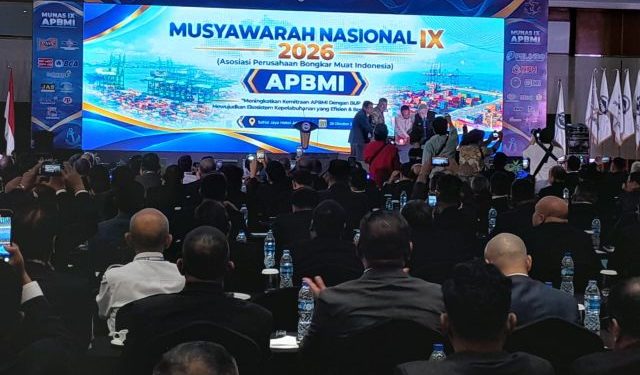
Speaking at APBMI’s ninth National Conference (Munas IX) in Jakarta on Wednesday, Juswandi said closer cooperation between stevedoring companies and port business entities was essential to building a more efficient and effective port ecosystem.
The conference, themed “Enhancing APBMI’s Partnerships with Port Business Entities to Realize an Efficient and Effective Port Ecosystem,” focuses on strengthening industry collaboration and supporting government programmes to develop an integrated and sustainable logistics system.
Juswandi said stronger partnerships would help stevedoring companies play a more effective role in improving logistics competitiveness and increasing the contribution of ports to Indonesia’s maritime industry and national economy.
The meeting comes as the government and state-owned port operator PT Pelabuhan Indonesia (Persero), known as Pelindo, push for greater digital integration, improved workplace safety and more efficient cargo-handling operations.
Pelindo President Director Achmad Muchtasyar said digital transformation should become a central part of efforts to strengthen the port ecosystem, particularly in loading and unloading activities.
Digital systems can accelerate administrative processes and documentation, improve workforce management and establish more orderly access to operational areas, he said.
“Digitalization for loading and unloading companies is an important step to ensure that all operations are integrated with port digital applications,” Achmad said at the opening of the APBMI national working meeting.
He added that digital integration could improve access arrangements and workforce supervision while allowing stevedoring companies to connect their operations with Pelindo’s digital systems.
Loading and unloading activities involve multiple stakeholders, including port operators, cargo owners, transport companies and workers. Achmad said closer integration of data and work systems was needed to improve operational planning, maintain the flow of goods and reduce coordination barriers throughout the supply chain.
Pelindo has developed ADHARA, a digital platform designed to connect systems and services across the maritime and port logistics ecosystem.
Although several industry participants already use digital applications to manage their operations, systems that are not fully interconnected can complicate data exchange and coordination, Achmad said.
ADHARA is intended to bridge those gaps rather than replace applications already used by industry participants.
Pelindo hopes cooperation with APBMI and other stakeholders will encourage changes in operational practices and governance, rather than merely increase the use of digital applications. Such changes could improve the productivity of cargo-handling companies and strengthen national logistics performance.
Logistics costs and safety
Deputy Transportation Minister Suntana said reducing logistics costs required a shared commitment from all industry participants, including stevedoring companies.
National logistics costs remain at around 14%, he said, while the government aims to reduce the figure to 8%.
“One of our jobs is how logistics costs of 14 percent can be reduced. Because the government’s target is 8 percent,” Suntana said. “So, we have to be able to reduce it, and this is a shared responsibility, including APBMI members.”
Achieving the target will require efficiency improvements across distribution chains, including port operations, where delays and coordination problems can affect the movement of goods.
Suntana also stressed that workplace safety must remain a priority in port operations.
Stevedoring companies should consistently implement standard operating procedures to reduce workplace accidents and protect workers, he said, adding that disciplined safety practices were necessary to maintain smooth cargo-handling operations.
The emphasis on digitalization and safety reflects a broader effort to improve port productivity while ensuring that operational improvements do not compromise worker protection.
Organizational priorities
APBMI conference organizing committee chairman Capt. Suwondo said the national conference was required under the association’s statutes and bylaws.
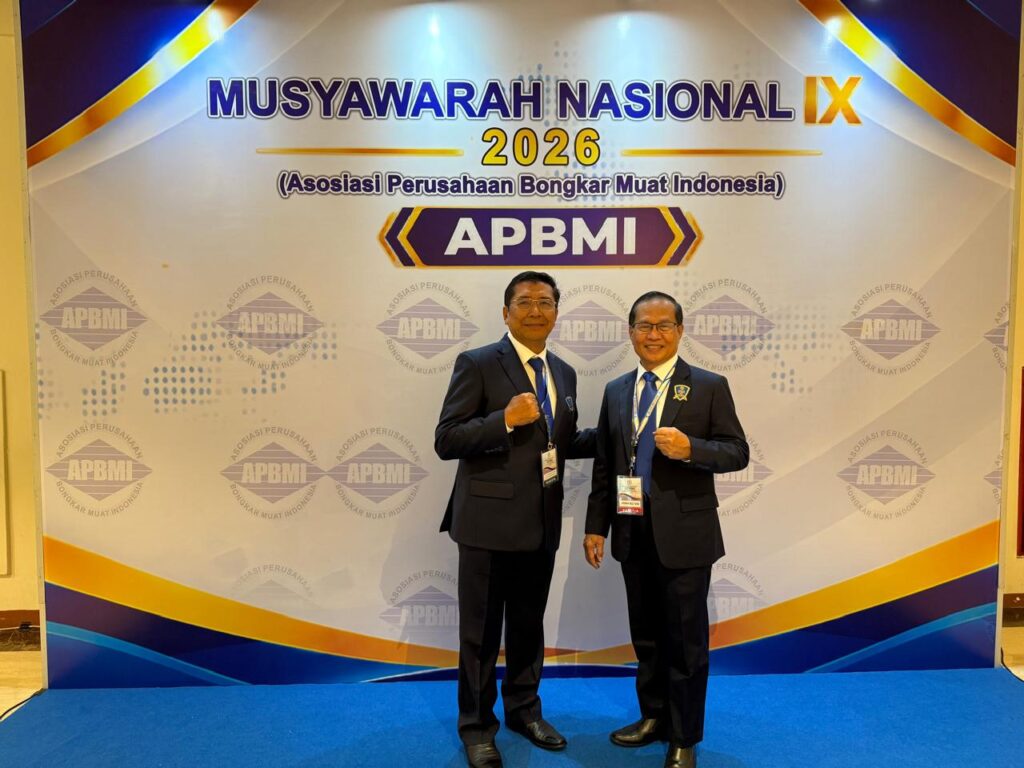
The meeting provides a forum to evaluate work programmes, establish organizational policies and elect leaders for the next term, he said.
Suwondo said he hoped the event would strengthen solidarity among members, deepen cooperation and generate constructive ideas for developing Indonesia’s stevedoring industry.
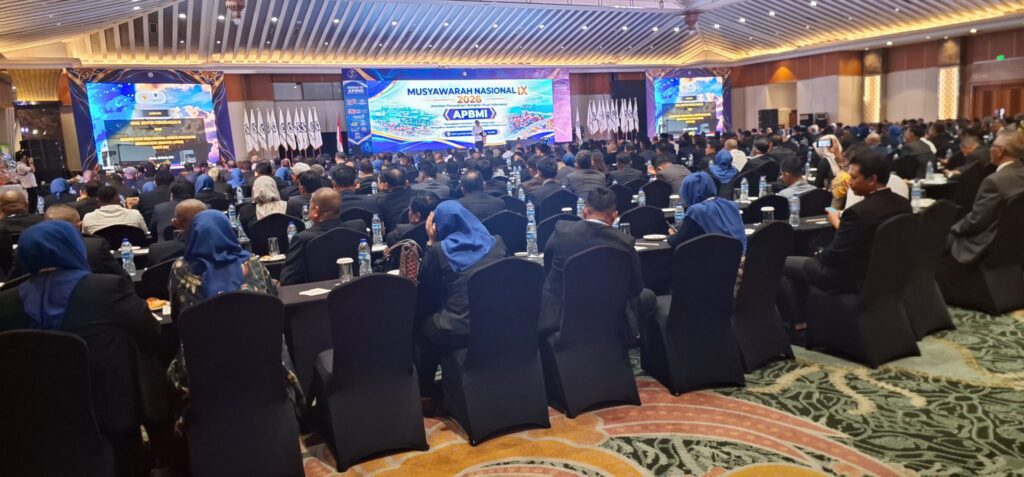
The conference has approximately 503 attendees, comprising 414 participants and 89 observers, representing APBMI’s network of 2,335 member companies across Indonesia.
The association operates through 22 regional boards, 65 branch boards and four port-level boards, reflecting the geographical reach of the cargo-handling sector.
The opening was attended by Suntana, Achmad and representatives of associations in the port, shipping, logistics and trade industries.
Participants are expected to use the conference to strengthen partnerships and advance discussions on digital integration, operational safety and more effective cargo handling.
For Indonesia’s port sector, the challenge is to translate those commitments into practical improvements that reduce delays, strengthen coordination and support the government’s logistics-cost target.
Closer cooperation between stevedoring companies and port operators, supported by connected digital systems and consistent safety standards, is expected to contribute to more productive ports and a more competitive national logistics network.