

A port executive returned to her former Yogyakarta high school to introduce 150 students to logistics careers, workplace skills and the role of education in Indonesia’s future
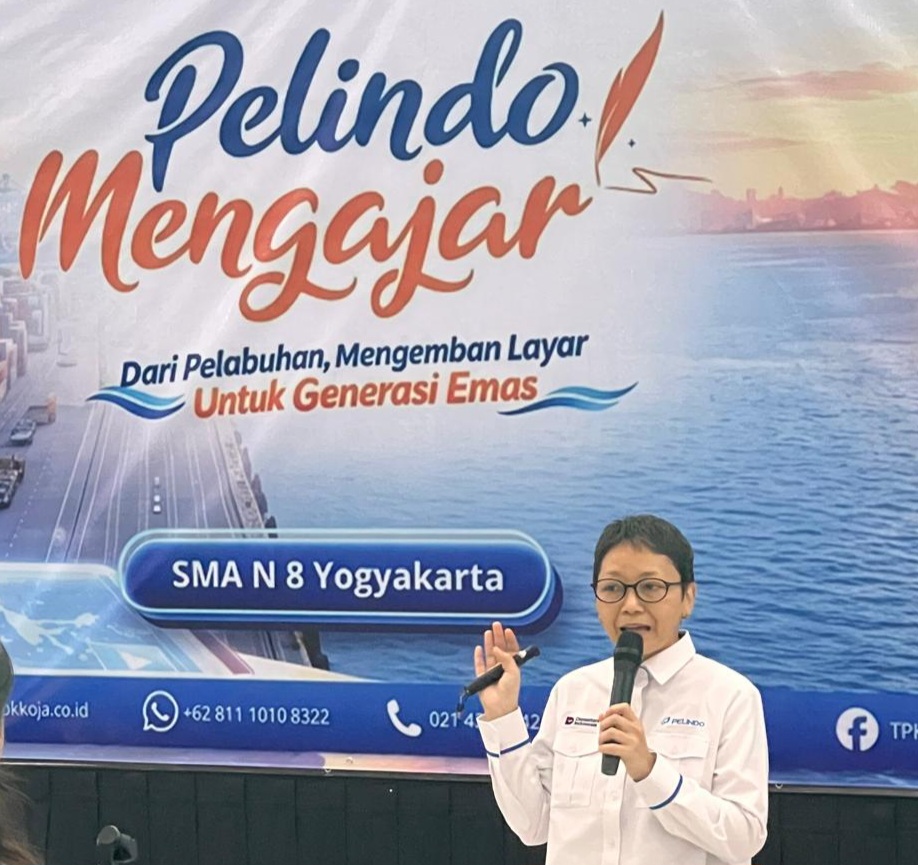
A visit to her former high school gave Banu Astrini, general manager of KSO Terminal Petikemas Koja (TPK Koja), an opportunity to introduce students to the maritime industry and encourage them to think more broadly about their future careers.
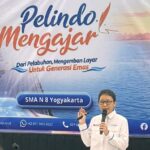
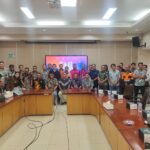
Banu spoke to 150 final-year students at SMA Negeri 8 Yogyakarta on Thursday as part of Pelindo Teaches ‘Pelindo Mengajar’, an education initiative under state-owned port operator Pelindo’s Social and Environmental Responsibility programme.
Returning to the school where she once studied, Banu explained how ports connect Indonesia to global trade and how a wide range of professions contribute to the movement of goods across the country.
The session aimed to help students understand the logistics sector beyond the ships and containers visible at ports, while introducing career opportunities in port operations and state-owned enterprises.
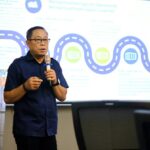
Banu discussed the roles of state-owned enterprises, Danantara and Pelindo, alongside the fundamentals of logistics and port management. To make the subject more accessible, she traced the journey of an online purchase from the factory through the port to the consumer.
Students also learned about the importance of maritime transport to international commerce. More than 80% of global trade by volume is transported by sea, underscoring the importance of ports to supply chains and economic activity.
Behind those operations, Banu explained, are professionals ranging from harbour pilots and planners to tallymen, forklift operators, crane operators and administrative staff. Each role requires specific technical knowledge, supported by skills such as critical thinking, communication, collaboration and adaptability.
The programme also offered students a personal perspective on career development. Drawing on her own journey since graduating from SMA Negeri 8 Yogyakarta, Banu shared lessons on leadership, achievement and social responsibility.
She encouraged students to recognise that success is rarely achieved alone, stressing the importance of building relationships and working with others rather than creating barriers.
“Through the ‘Pelindo Teaches’ programme, we want students to get a closer look at the world of ports and discover that behind port activities lie a vast array of professions, skills and opportunities,” said Banu.
“As an alumna, I am delighted to return to this school, and I hope that the experiences I’ve shared will inspire these students to dream boldly and prepare for their own futures,” she added.
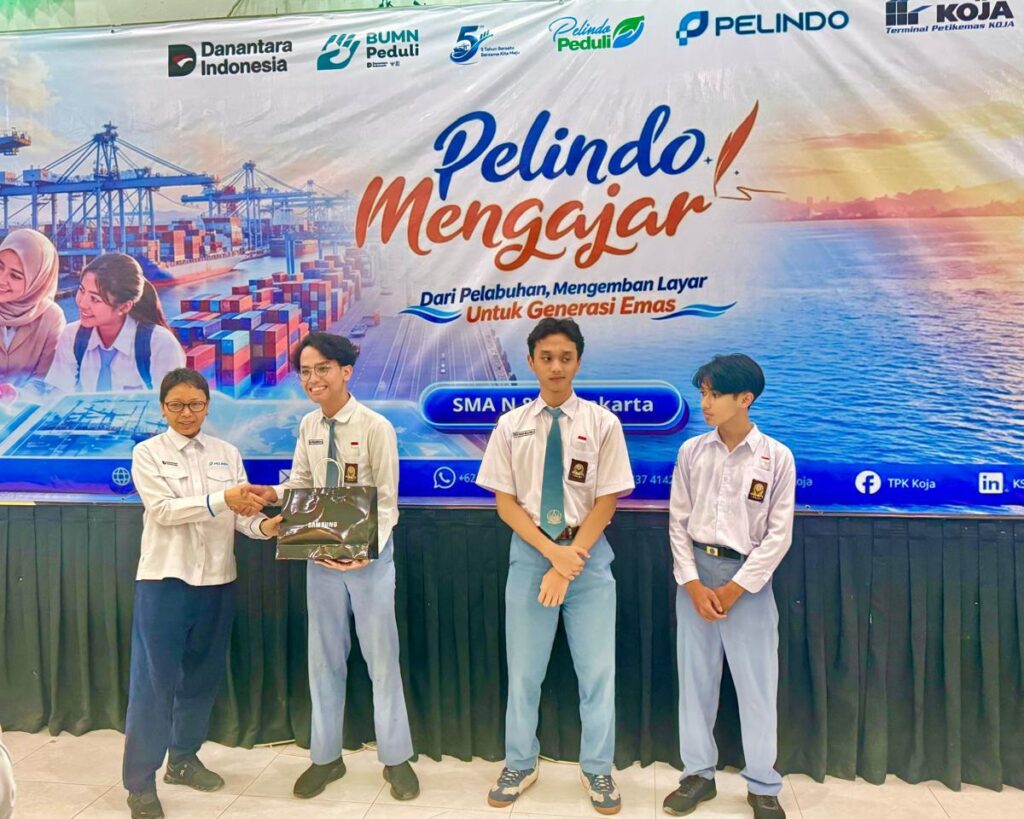
The session included interactive quizzes before and after the presentation, followed by a question-and-answer session. Organisers awarded prizes to quiz winners and recognised three students for their academic and extracurricular achievements.
TPK Koja also provided symbolic support for the school’s facilities and infrastructure. Banu presented the contribution to Siti Nurul Mutmainah, the school’s vice principal.
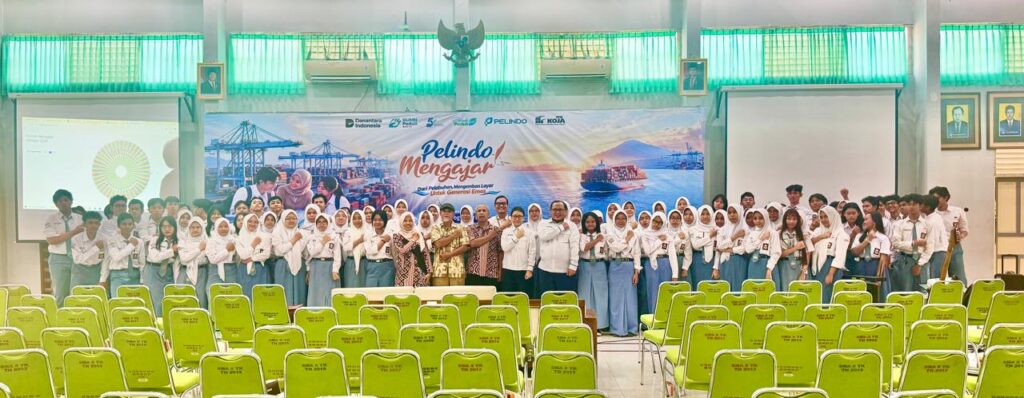
‘Pelindo Mengajar’ forms part of the company’s broader education-focused social responsibility efforts. The initiative also supports Indonesia’s Asta Cita national priorities, particularly the fourth priority concerning human resource development, science, technology and education.
These efforts align with the government’s ambition to develop a skilled generation capable of contributing to Indonesia’s Golden Indonesia 2045 vision.
For TPK Koja, introducing students to the port sector is intended to widen their understanding of the professions that underpin the national economy and help them make more informed decisions about their futures.
The programme also highlights a broader role for the maritime industry: alongside moving goods and connecting markets, it can help connect young people with knowledge, opportunities and the skills needed to shape Indonesia’s future.