President Joko Widodo said that he is very concentrated on health issues, but attention to the big agendas towards an advanced Indonesia has not diminished in the slightest. This was conveyed during the State Talk (16/08).
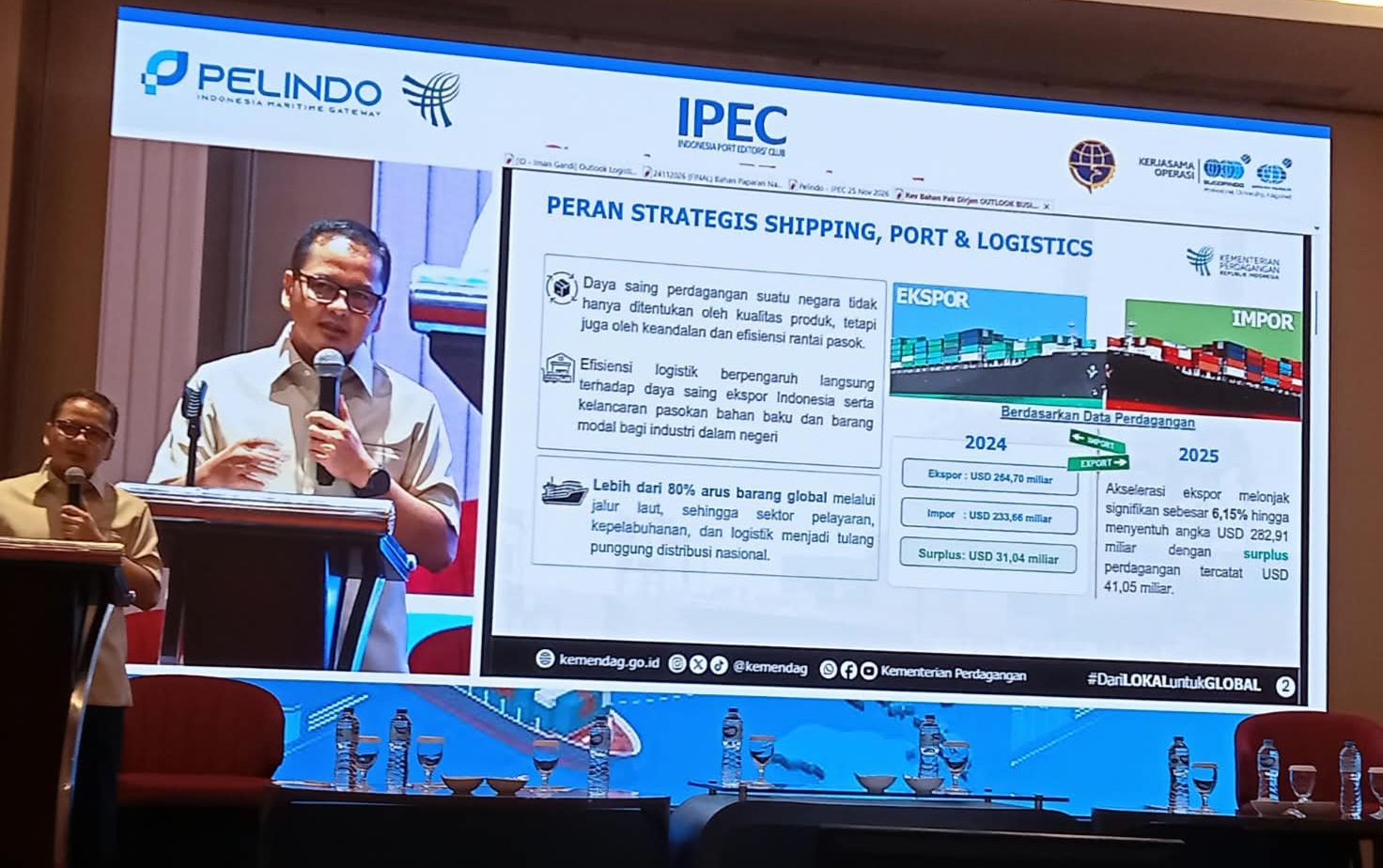
The President also emphasized that the completion of infrastructure development that makes logistics cheap, to build from the roadside and unite Indonesia, continues to be pursued.
Infrastructure is one of the important pillars of increasing national logistics efficiency. One of the triggers for high logistics costs is the problem of unequal distribution of infrastructure between regions.
Building from the periphery is important to improve the balance of economic growth between regions. In 2020, the distribution of Gross Domestic Product is still dominated by Java (58.75 percent) and Sumatra (21.36 percent). The other four regions still need to increase their contribution, namely Kalimantan (7.94 percent), Sulawesi (6.66 percent), Bali-Nusa Tenggara (2.94 percent), and Papua (2.35 percent).
Economic growth in underdeveloped, frontier, and outermost – tertinggal, terdepan, dan terluar – (3T) areas requires a paradigm shift from ships following trade to ships promoting trade. If you follow the old paradigm, the infrastructure developed follows the growth of industry and trade.
With a new paradigm, infrastructure is built to create economic growth in new areas. Although currently not fully needed, infrastructure in the 3T area must be immediately planned and built based on an analysis of regional potential.
Economic growth in new areas will increase transportation costs between regions which can reduce costs and logistics.
With this new paradigm, several programs need to be supported, such as the Integrated Marine and Fisheries Center – Sentra Kelautan dan Perikanan Terpadu – (SKPT) program by the Ministry of Marine Affairs and Fisheries. Efforts to build new region-based industries in the outer islands also require investment and the role of the private sector, including in the provision of transportation.
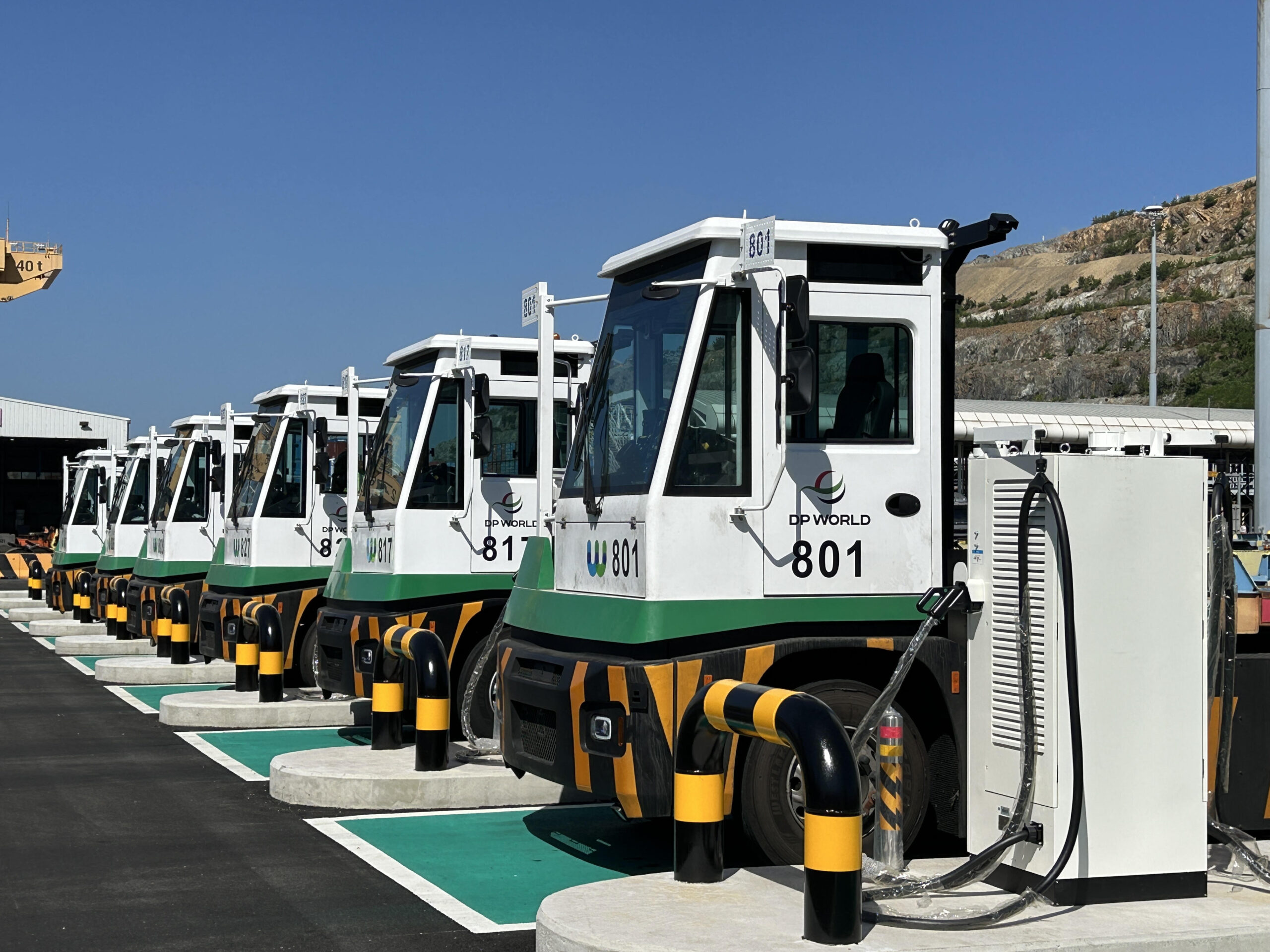
Revitalization of port infrastructure is necessary to improve handling and loading and unloading speed, including the addition of plugging facilities which are still limited. To increase exports of marine and fishery products, it is necessary to develop ports and airports as export gateways.
Infrastructure development also needs to optimize integration programs, including between the SKPT program and the Sea Toll Road from the Ministry of Transportation. The Sea Toll Program can support the implementation of the ship’s paradigm of promoting trade by also transporting capital goods and raw materials for industry in new areas.
This article was written by Setijadi.

Setijadi, S.T., M.T., IPM. is a graduate of the Bachelor Program and Master’s Program in the Department of Industrial Engineering – Bandung Institute of Technology. Obtained a Young Professional Engineer (IPM) certificate from the Indonesian Engineers Association and a “Supply Chain Manager” certificate from the National Professional Certification Agency (BNSP).
Currently serves as Chairman of Supply Chain Indonesia (SCI), CEO of Ruang Logistik (RL), Member of Regional Representative Council – Indonesian Logistics and Forwarders Association (ALFI) West Java, and Member of Advisory Board of Logistics & Supply Chain Center (LOGIC) – Widyatama University Bandung .
About Supply Chain Indonesia
Supply Chain Indonesia (SCI) is an independent institution engaged in education, training, consulting, research, and development activities in the logistics and supply chain sector in Indonesia. SCI is a forum for information, interaction, and communication for practitioners, academics, bureaucracy, researchers, and observers in the field of logistics and supply chain in Indonesia.
Visit SCI Webiste: https://supplychainindonesia.com/profil/