


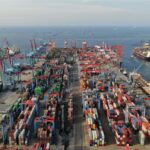
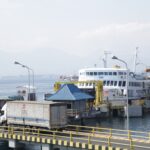

Vietnam is gearing up for a seismic transformation in its seaport infrastructure, paving the way for enhanced global trade connectivity. With plans to develop a cutting-edge seaport system, the nation is poised to revolutionize its role in international commerce.
Under the guidance of Deputy Minister of Transport Nguyen Xuan Sang, Vietnam’s ambitious vision for its seaports is set to reshape the maritime landscape, positioning the nation as a pivotal player on the world stage. The transformation is underscored by the following key developments:
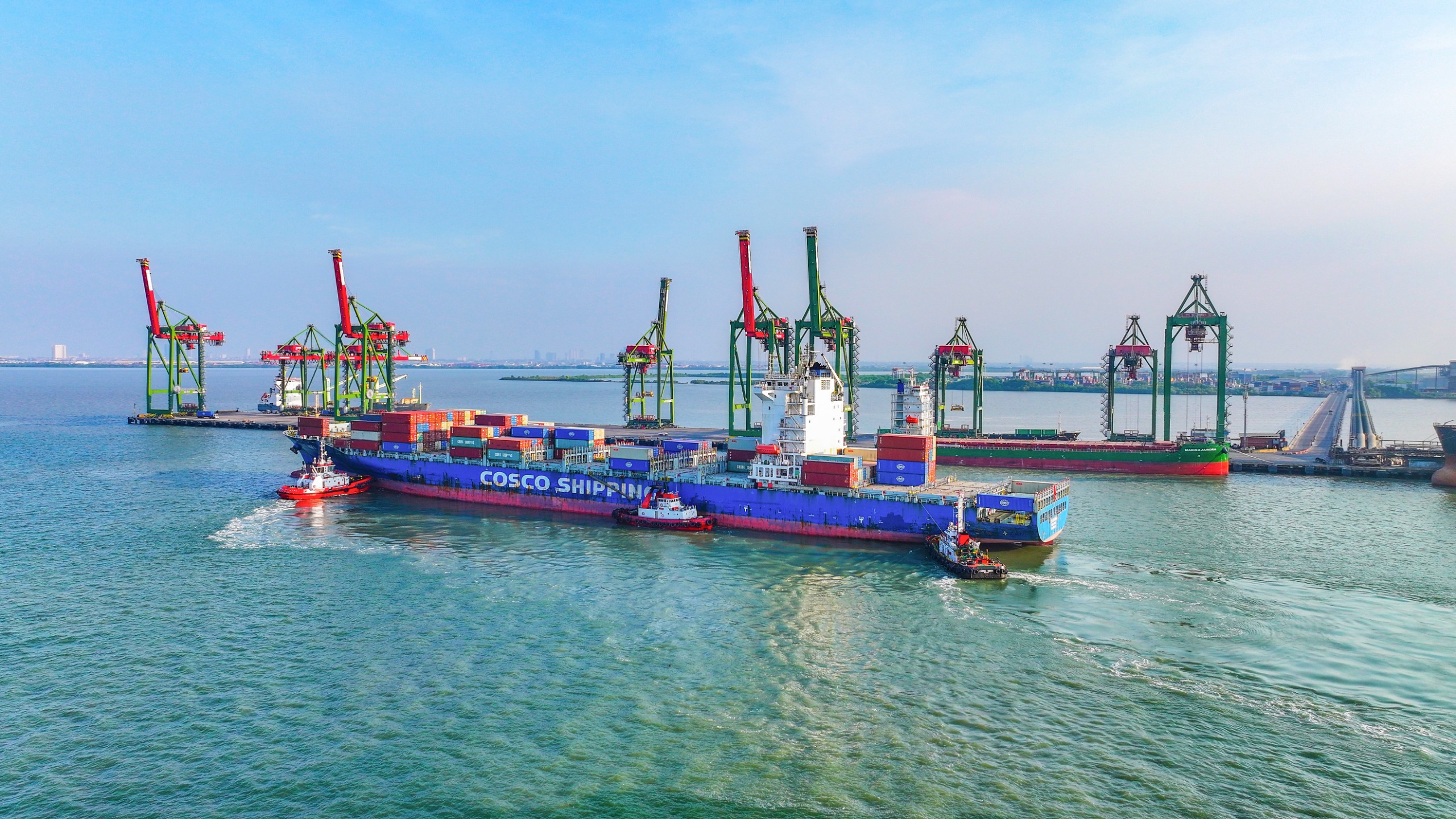
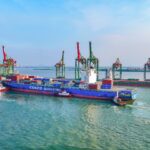
1. Lach Huyen Special Seaport Complex: Located in Hai Phong, Lach Huyen is currently the deepest-water seaport in the northern region, covering 57 hectares with a 750-meter main quay. This strategically positioned port will enable direct cargo transportation to the US and Europe, bypassing regional hubs like Singapore and Hong Kong, significantly reducing logistics expenses and boosting the competitiveness of Vietnamese exports.
2. Cai Mep – Thi Vai International Transshipment Port: Situated in Ba Ria – Vung Tau province, this complex has earned its place among the world’s top 50 seaports, with the capacity to handle vessels boasting a deadweight tonnage (DWT) of up to 250,000. It is a linchpin of international trade, accounting for over 16% of the country’s total cargo throughput, 35% of the national container cargo volume, and a remarkable 50% of container cargo volume in the south.
3. Van Phong and Tran De Terminals: Vietnam’s Ministry of Transport is actively exploring the development of international transshipment ports in Van Phong, Khanh Hoa province, and evaluating Tran De Terminal in Soc Trang province as a potential special seaport, serving as the gateway to the Mekong Delta.
As part of its comprehensive development plan, Vietnam aspires to handle 1.14 – 1.42 billion tonnes of cargo by 2030, including 38 – 47 million TEUs of container goods and 10.1 – 10.3 million passengers, aligning its seaports with global counterparts by 2050. The investment required for goods loading services alone by 2030 is estimated at approximately 313 trillion VND (approximately 12.7 billion USD), with funding expected from a mix of non-state budget sources, private sector investments, and other legal financial channels.
Deputy Minister Sang underscores that attracting investment is not a concern, as state investment historically represents only 16-17%, while the private sector plays a pivotal role. Many seaport projects have already piqued the interest of domestic and foreign investors, signaling a robust appetite for participation.
However, the challenge lies in optimizing these “super” ports to ensure maximum efficiency and avoid redundancies, unnecessary competition, and resource dispersion that could increase costs and financial risks. Tran Khanh Hoang, Vice Chairman of the Vietnam Seaports Association, stresses the importance of prudent investment considerations, understanding cargo transportation needs, and crafting meticulous investment roadmaps.
To address the current weaknesses hampering Vietnamese seaports from attracting large shipping companies, authorities and businesses must focus on linking quays for efficient cargo transfer, establishing on-site specialized examination forces, fostering a robust logistics ecosystem, and developing an inter-regional and multi-modal transport system. Furthermore, efforts to reduce logistics costs and streamline clearance procedures are essential.
Minister of Transport Nguyen Van Thang has called upon the Maritime Administration to swiftly address these bottlenecks and formulate a medium-term capital allocation plan for 2026 – 2030, aimed at developing transport infrastructure that connects major seaport areas, elevating the stature of Vietnamese ports.
Vietnam’s visionary seaport development plans promise to be a game-changer in global trade, offering not only enhanced logistical capabilities but also an exciting investment landscape. As Vietnam redefines its role in international commerce, the world watches with anticipation, ready to harness the new opportunities that emerge on these dynamic shores.
Reference: https://en.vietnamplus.vn/vietnam-looks-to-develop-maximise-modern-seaports/270237.vnp