

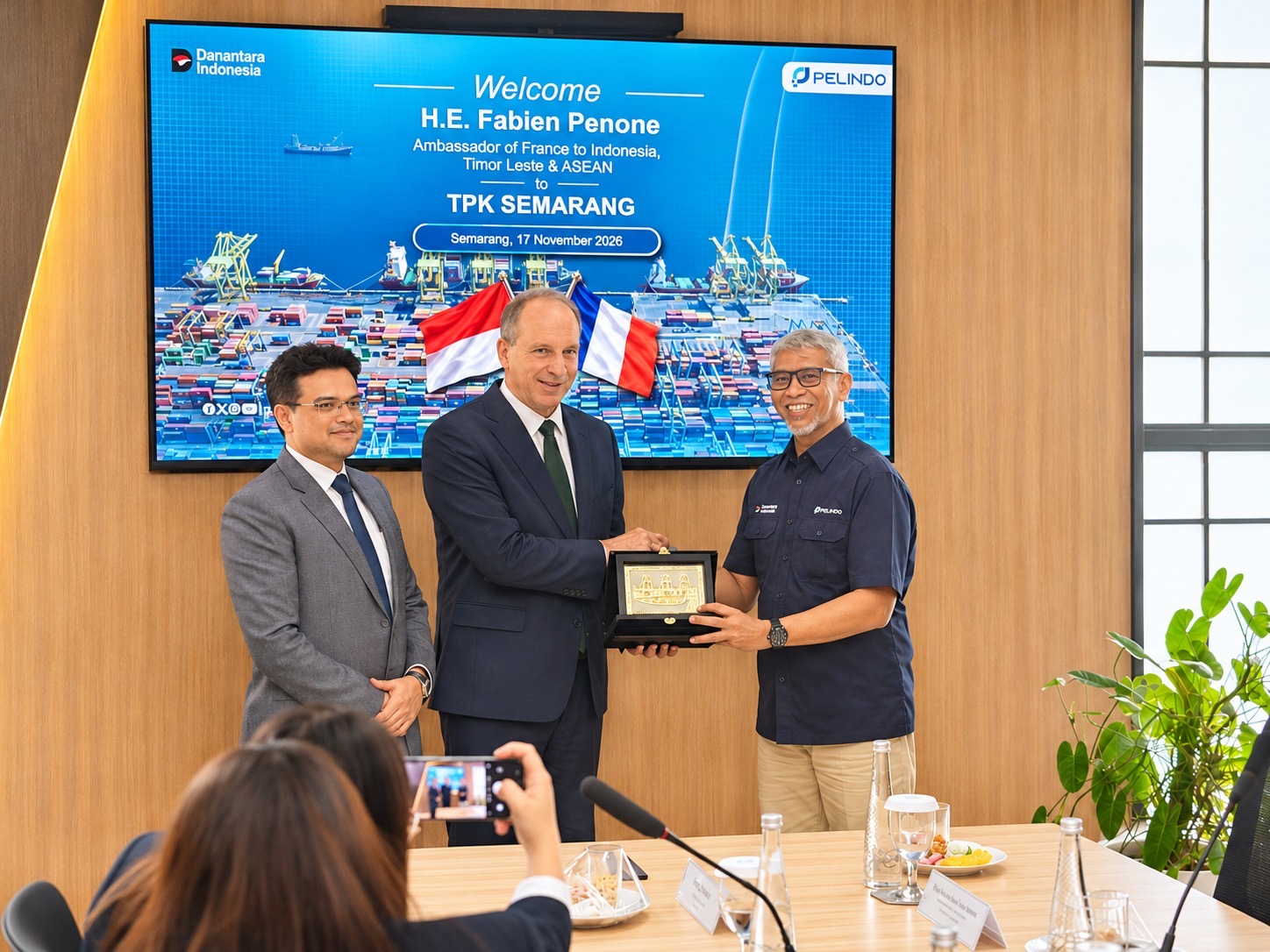
Pelindo and French shipping group CMA CGM are exploring ways to strengthen shipping links, improve port efficiency and expand trade opportunities through Semarang’s container terminal TPK Semarang
Indonesia’s ambition to strengthen its position in global trade is putting greater focus on the country’s port connectivity, with state-owned port operator Pelindo exploring closer cooperation with French shipping group CMA CGM to improve logistics services in Central Java.
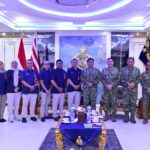
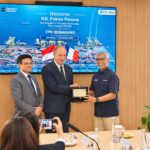
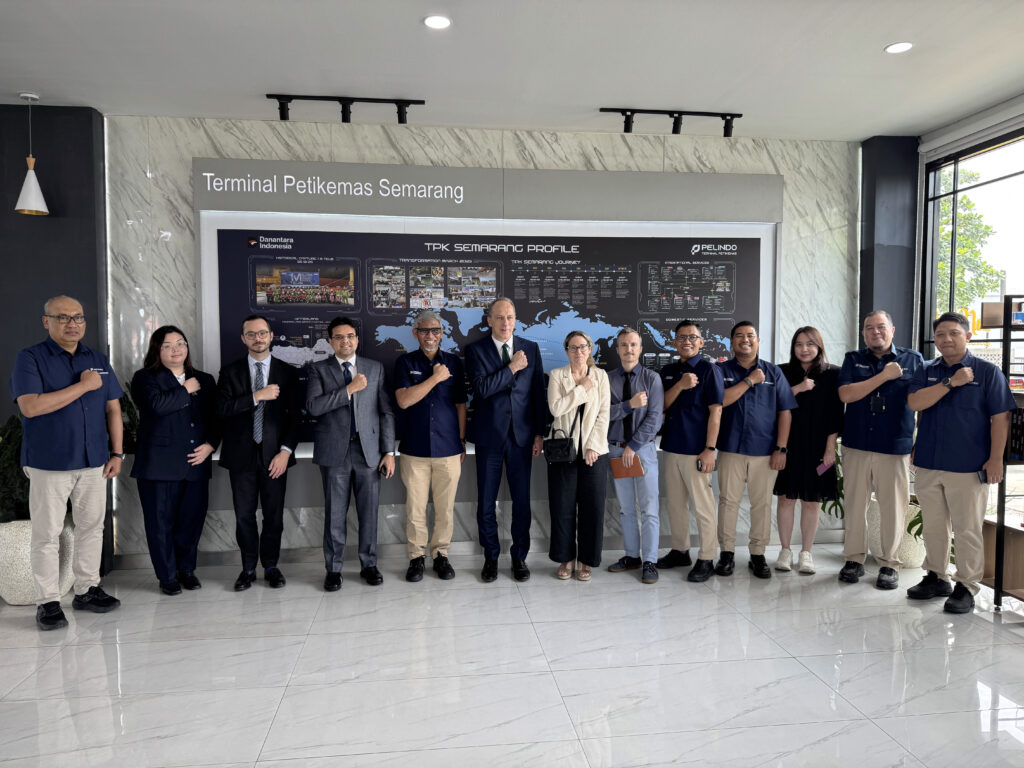
The discussions took place during a visit by French Ambassador to Indonesia, Timor-Leste and ASEAN Fabien Penone, accompanied by CMA CGM representatives, to the Semarang Container Terminal (TPK Semarang).
The visit brought together Pelindo Commercial Director Farid Padang and CMA CGM President Director Ikram Ghazali to discuss opportunities to improve shipping connectivity, expand terminal capacity and strengthen the region’s maritime ecosystem.
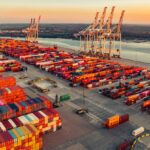
The delegation also inspected the terminal’s facilities and operations, including its wharf and cargo-handling equipment, following presentations on Pelindo’s port network development strategy.
At the centre of the discussions was Pelindo’s effort to move beyond a fragmented, port-by-port operating model towards a more integrated logistics network through its Pelindo Indonesia Network Pendulum (PINP) initiative.
The strategy aims to consolidate cargo, improve shipping schedule reliability, optimise vessel and container utilisation, and reduce inefficient movements of empty containers. It also encourages closer coordination among shipping lines, cargo owners and logistics service providers.
Farid said the approach was intended to strengthen Indonesia’s maritime transport network by connecting major hub ports with smaller spoke ports and integrating terminal operations with off-dock depots.
“This concept serves as a strategy to strengthen the ‘hub-and-spoke’ model in maritime transport, integrated with terminal services and off-dock depots. It acts as a catalyst for facilitating direct transshipment, direct exports and direct calls, capabilities that can be executed by spoke ports rather than being limited solely to hub ports in Indonesia,” he said.
He added that Pelindo’s PINP platform was designed to position the company as an orchestrator of an integrated digital service ecosystem, functioning as a central command centre in line with the objectives of Indonesia’s Ministry of Transportation Regulation No. 50/2021 on seaport operations.
Farid said closer links between international shipping networks and Indonesia’s domestic port system would be essential to improving the country’s logistics competitiveness.
“We welcome the visit from the French Ambassador and the CMA CGM team as an opportunity to strengthen dialogue and explore more concrete cooperation. Pelindo continues to promote increasingly integrated services, including fostering direct collaboration with cargo owners and shipping lines, while developing service schemes and performance-based commercial incentives that comply with existing regulations,” he said.
“The goal is to improve connectivity, achieve greater efficiency in logistics costs and make the national trade ecosystem more competitive.”
The discussions also covered possible terminal capacity expansion, integration with off-dock depots and the wider logistics supply chain, as well as technical constraints affecting vessel services.
Among the issues raised were channel and basin depth limitations for larger vessels and the readiness of supporting facilities. Pelindo said improvements would be pursued gradually in coordination with relevant stakeholders.
For CMA CGM, the potential cooperation comes as Central Java strengthens its role as an industrial and export-import centre connected to international supply chains.
Ikram said port productivity, available capacity and vessel access would be critical to meeting the region’s growing shipping requirements.
“Central Java is an industrial region of great significance to the international supply chain. For CMA CGM, enhanced productivity, available capacity and adequate access for vessels are key factors in delivering more reliable services,” he said.
He welcomed Pelindo’s proposal for an initial 90-day evaluation framework, which would allow both sides to assess opportunities against market demand and operational readiness.
French Ambassador Penone said stronger port infrastructure and greater operational efficiency could create opportunities to expand trade and investment between Indonesia and France.
He also pointed to potential cooperation beyond shipping, including professional training, maritime safety, technology and maritime tourism.
“Strengthening port infrastructure, capacity and productivity can unlock broader opportunities for business relations and international trade between Indonesia and France. We see that Semarang holds a strategic position with the potential to attract investment and foster cooperation, including in education, professional training and maritime safety,” Penone said.
The delegation also discussed development prospects for the Tanjung Emas Port area, including potential connectivity for cruise ships and tourism activities.
Pelindo outlined its long-term plans for developing wharf facilities and container yards, with the aim of strengthening TPK Semarang’s position as a gateway for Central Java trade and improving its integration with domestic and international shipping networks.
As a next step, Pelindo and CMA CGM are considering a phased assessment covering potential cargo volumes, service requirements and infrastructure readiness, followed by an evaluation of pilot results over 90 days.
The proposed framework remains at an exploratory stage. Any agreement on the scope of cooperation, cargo commitments, tariff adjustments or investment would be subject to further assessment and approval by the relevant parties.
For Pelindo, the discussions represent an opportunity to build stronger links with global shipping operators while improving the role of Tanjung Emas Port in supporting regional trade.
The broader objective is to facilitate export and import flows, attract investment and strengthen Central Java’s contribution to Indonesia’s maritime and logistics economy.