


JICT uses a school outreach programme in Banda Aceh to introduce students to port technology, critical thinking and leadership skills as logistics operations undergo digital transformation
As ports increasingly embrace digital technology, preparing the next generation of workers is becoming as important as upgrading infrastructure, PT Jakarta International Container Terminal (JICT) said.
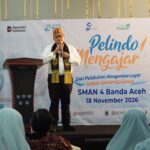
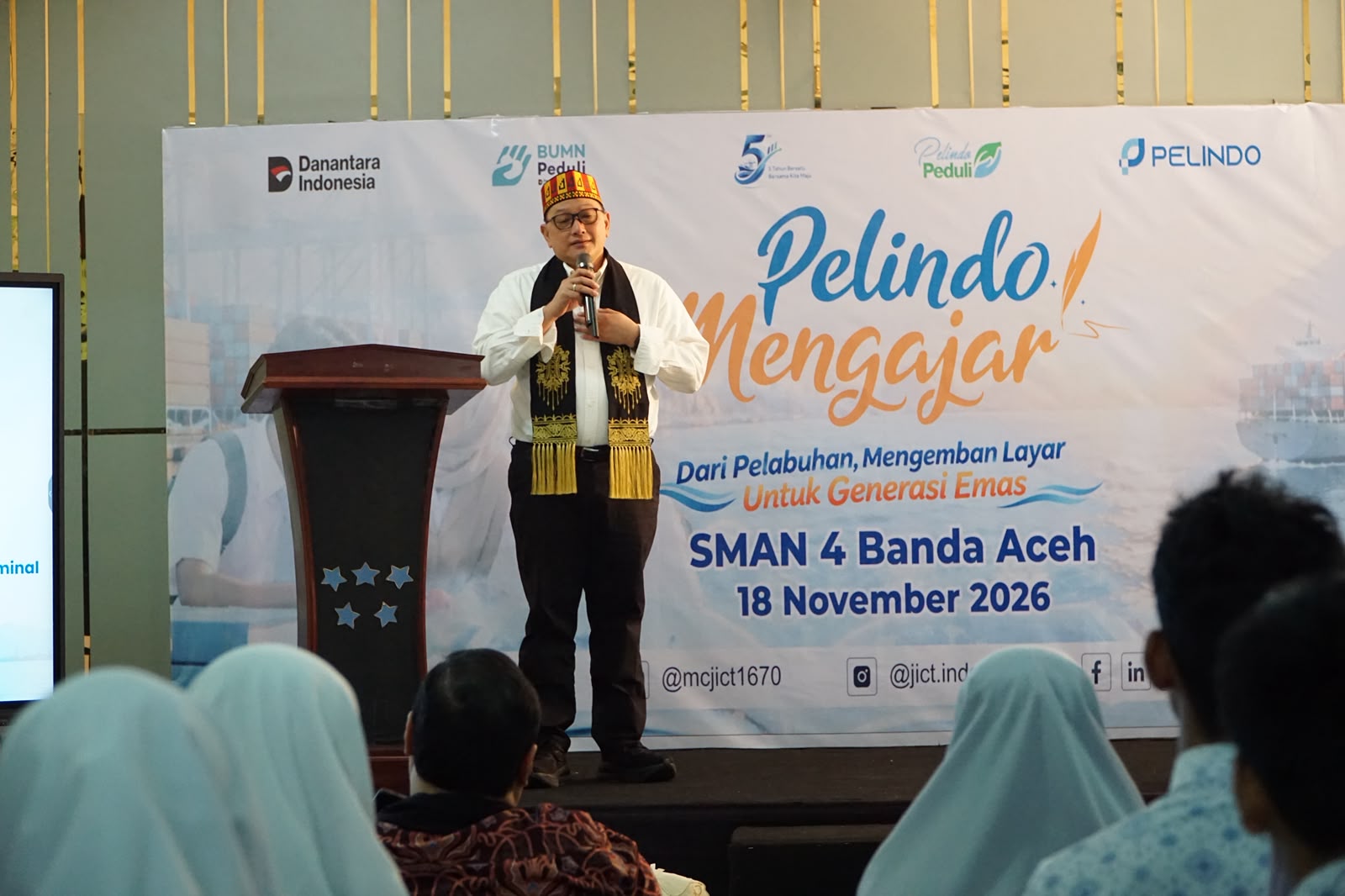
The company brought that message to students at SMA Negeri 4 Banda Aceh through the “Pelindo Mengajar 2026” ( Pelindo Teaches 2026″) programme, introducing them to the changing demands of the logistics and maritime industries.
JICT President Director Ade Hartono said the future of the sector would depend not only on advanced equipment and modern facilities but also on people equipped to work alongside rapidly evolving technology.
“Port modernization is not just about introducing increasingly sophisticated equipment. It still requires people who are capable of critical thinking, decision-making, collaboration and adaptation. Therefore, investing in the quality of the younger generation is just as important as investing in infrastructure,” Ade said in Banda Aceh on Wednesday.
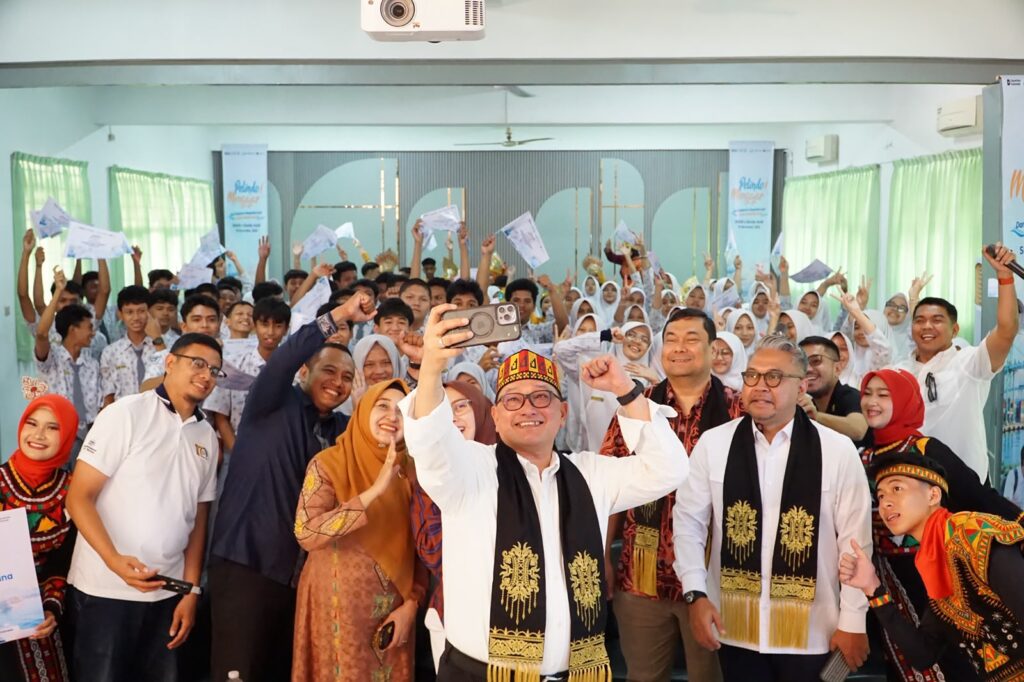
He said exposing students to the industrial world while they were still in school could broaden their understanding of career opportunities, educational pathways and the skills needed to enter the workforce.
For many students, a port may appear to be little more than a place where ships dock and containers are loaded and unloaded. But its operations extend far beyond the waterfront, involving technology, information systems, strategic planning, risk management and a range of specialised professions.
“Many young people still view a port merely as a place where ships dock and containers are loaded or unloaded. In reality, it encompasses technology, information systems, strategic planning, risk management and a wide range of professions that require specialised expertise. We want students to understand that the opportunities to contribute to the maritime industry are vast,” Ade said.

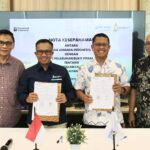
Beyond introducing students to the industry, JICT also provided educational assistance worth 25 million rupiah ($1,500) to SMA Negeri 4 Banda Aceh, along with information technology equipment to support the school’s learning facilities.
Ade said the assistance was intended to deliver lasting benefits by strengthening the resources available to teachers and students.
“Educational assistance is not just about the monetary value or the number of devices handed over. What matters more is how these facilities can be used sustainably to support the learning process and open up broader opportunities for the students,” he said.