


In a bold move to redefine global trade routes, Thai Prime Minister Srettha Thavisin is actively promoting the Landbridge project, a $28 billion infrastructure initiative aimed at creating an alternative trade route through Southeast Asia. The proposed 100-kilometer bridge across the Kra Isthmus seeks to bypass the congested and piracy-prone Malacca Strait, cutting transport duration by an estimated four days and reducing shipping costs by 15%.
This ambitious project, dating back to the 17th century, has gained renewed attention under Srettha’s leadership, who has positioned himself as Thailand’s chief “salesman.” The Landbridge, if successful, could become a strategic geopolitical asset, attracting interest from both Eastern and Western investors.
Srettha, in his recent pitch at the Asia-Pacific Economic Cooperation (APEC) summit in San Francisco, emphasized the project’s potential to connect the Pacific and Indian Oceans seamlessly. With a target completion date of 2030, the Landbridge is expected to create 280,000 jobs and boost Thailand’s GDP by 5.5% annually.
However, concerns loom over the environmental impact and potential disruptions to the region. According to TIME, Mark S. Cogan, an an associate professor of peace and conflict studies at Japan’s Kansai Gaidai University, warns that foreign investment, especially from the West, may bring political considerations and increased scrutiny.
The Landbridge project has ignited responses from neighboring countries. Indonesia faces potential effects as vessels may shift routes, impacting maritime traffic in the Malacca Strait. Malaysia, particularly its ports, is also at risk of disruptions. Analysts suggest this challenge could spur strategic upgrades in Malaysia’s port infrastructure and operational efficiency.
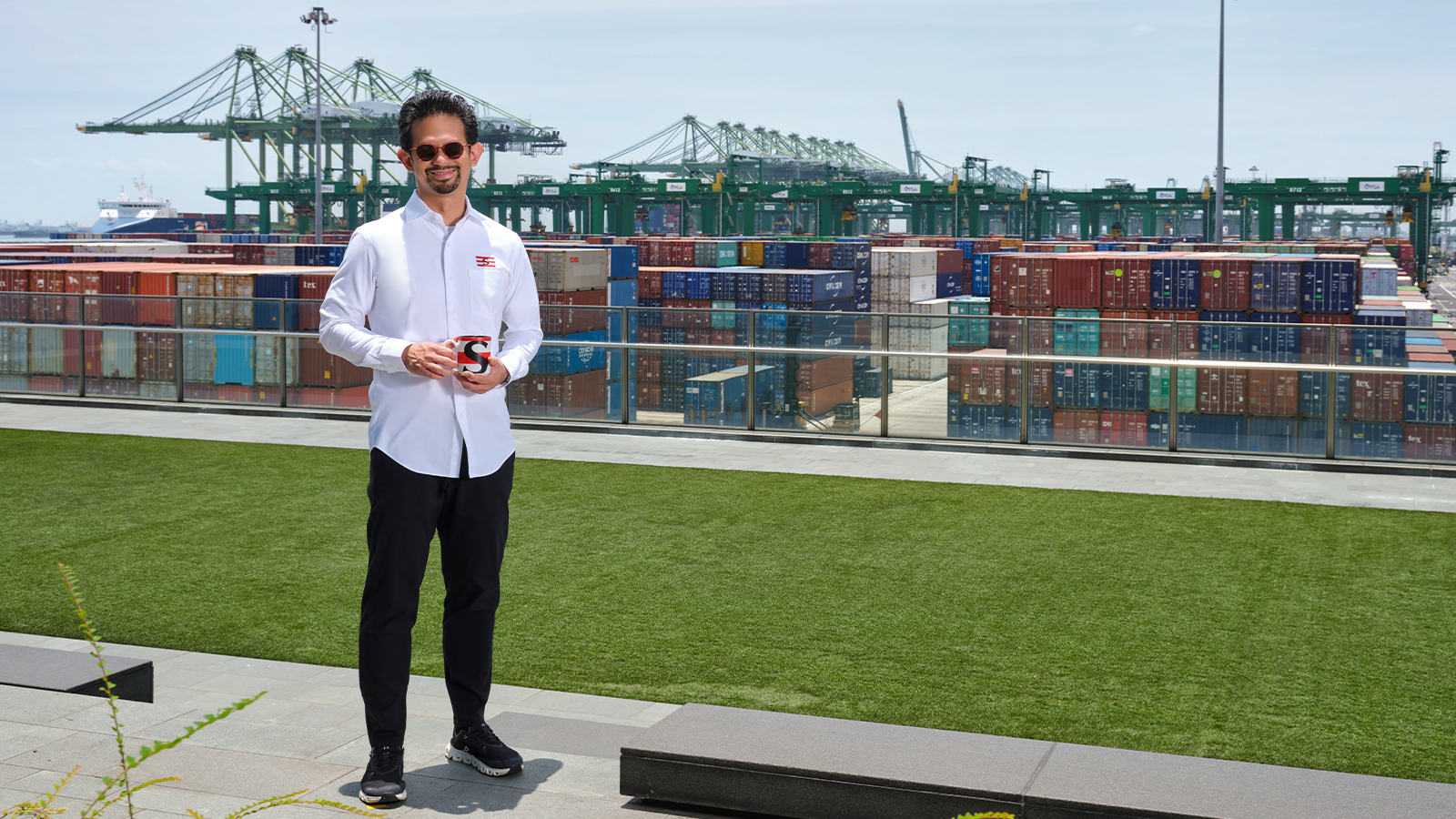
In response to Thailand’s ambitious project, according to Straits Time, Singapore’s Acting Transport Minister Chee Hong Tat acknowledges potential time savings for vessels but cautions that higher costs may offset the benefits. Singapore, a key global seaport, remains committed to staying competitive through technological investments and the development of Tuas Port, set to be the world’s largest fully automated port by the 2040s.
As the Landbridge project gains momentum, it is poised to reshape not only Thailand’s economic landscape but also influence regional dynamics, with stakeholders closely watching its potential impact on global trade routes.