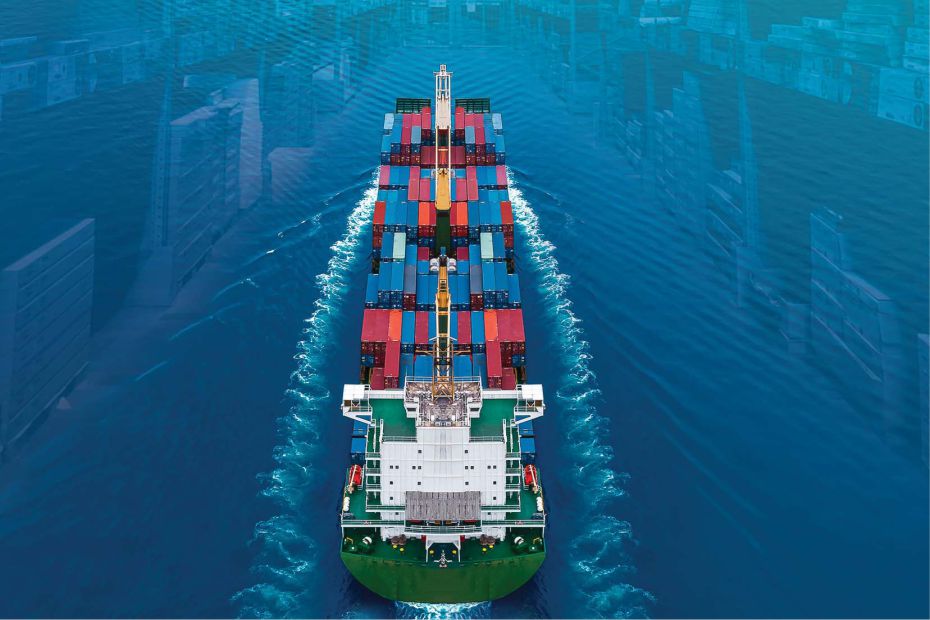
Risk of overcapacity, alternative fuel propulsion, scrapping rise, the end of the 2M alliance, and Spot rates attracting re-containerization are among the issues that influence the container shipping industry in the rest of the year and beyond.
The global container market is facing a myriad of difficulties for the rest of the year as it acclimatizes to rates dropping to pre-pandemic levels after the boom years of 2020-2021. The challenges ahead for liner companies are mostly prevalent through deploying capacity in a market with faltering demand from continued macroeconomic pressures.
Risk of Overcapacity
To compound a weakening carrier sentiment, a significant flurry of new ships is expected to hit the waters this year, requiring more capacity management requirements. Total TEU capacity on order accounted for 30% of the existing fleet. Although the majority of the nearly 8 million TEU on order is expected in 2024 and beyond, just over 2.44 million TEU is set to come online in 2023, just as the market has begun what many now see as a cyclical downturn.
According to Sea-web, an order book tracking platform within S&P Global Market Intelligence, some 32 mega-max vessels are due to enter the global fleet in 2023.
Swiss-based Mediterranean Shipping Company, which is expected to grow its fleet by 40% over the next two years, has a gigantic order book that is nearly the same size as Hapag-Lloyd’s existing fleet capacity.
Methanol Gains Steam
Despite much of the industry grappling with tighter emissions reduction directives, the container shipping sector is viewed as a likely mover in alternative fuel propulsion due to its wide scope of market participants and its relationship with eco-minded consumers like Walmart, Home Depot, and IKEA, among other large retailers looking to decarbonize their supply chains.
The current order book largely consists of dual-fuel engines capable of burning both distillate and residual fuels and alternative fuels such as methanol or liquified natural gas. LNG has grown in popularity in recent years as shipowners consider it a transition fuel for marginal emissions reductions in tandem with speed reductions and vessel design improvements to meet emissions standards.
However, an uptick in appetite for methanol-fueled vessels has permeated across the marketplace in recent months. Other early adopters include the Danish liner Maersk and X-Press Feeders, with 19 and 18 vessels on order. South Korea’s HMM was the latest asset owner to join the list when it ordered nine 9,000 TEU methanol.
This article was published in ISG Print Magazine May 2023 Edition.